



What recipe hacks ensure dishes retain their vibrant color & fresh look for visual appeal?
Ever wondered why some dishes burst with color on the plate while others look dull and lifeless? The visual appeal of food is just as important as its taste, often dictating the first impression. Retaining the vibrant hues of fresh ingredients, from crisp greens to rich reds, can elevate a simple meal into a culinary masterpiece. It’s not just about aesthetics; bright, fresh-looking food often signals freshness and nutritional value. Thankfully, a few clever recipe hacks can make all the difference.
The Power of Blanching and Shocking
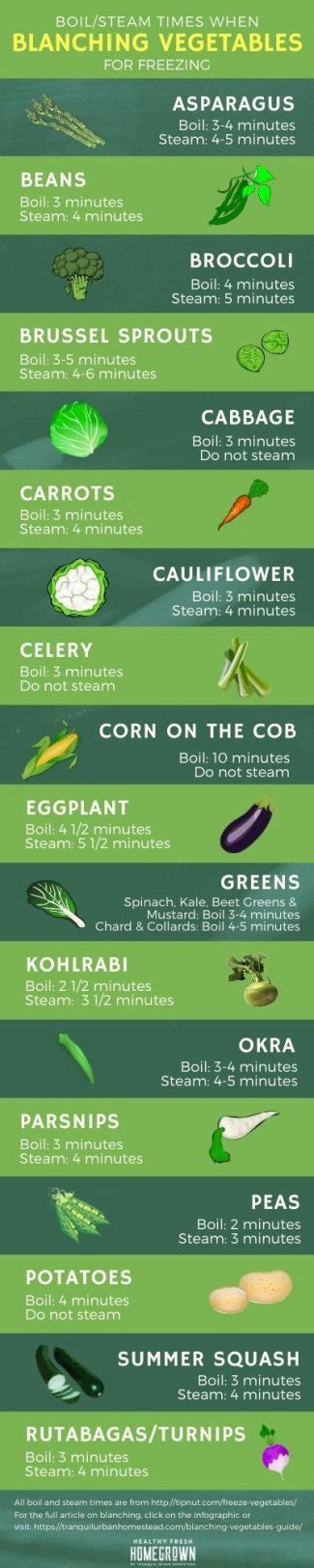
One of the most effective techniques for preserving the brilliant green of vegetables like broccoli, asparagus, and green beans is blanching followed by an ice bath, also known as “shocking.” Blanching involves briefly plunging vegetables into boiling water for a minute or two, which helps to set their chlorophyll and intensify their color. Immediately after, transfer them to an ice bath to halt the cooking process, preventing them from turning olive green and retaining their crisp texture. This two-step method is a game-changer for salads and vibrant side dishes.
Leveraging Acid for Color Stability
Acid is a secret weapon in preventing discoloration, especially for fruits and vegetables prone to browning, such as apples, avocados, and potatoes. A squeeze of lemon juice, a splash of lime juice, or even a touch of vinegar can work wonders. The acid helps to inhibit enzymatic browning, keeping cut surfaces looking fresh. For roasted vegetables, a drizzle of balsamic vinegar or a squeeze of orange juice during the final stages can brighten their appearance without overpowering their natural flavors. This simple addition can significantly extend the visual freshness of your ingredients.
Mindful Cooking Methods and Timing
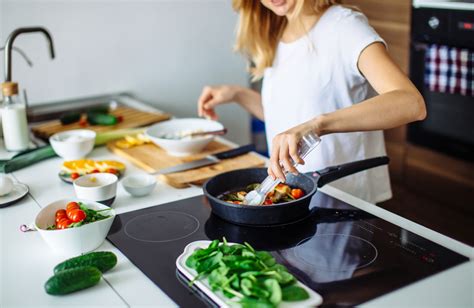
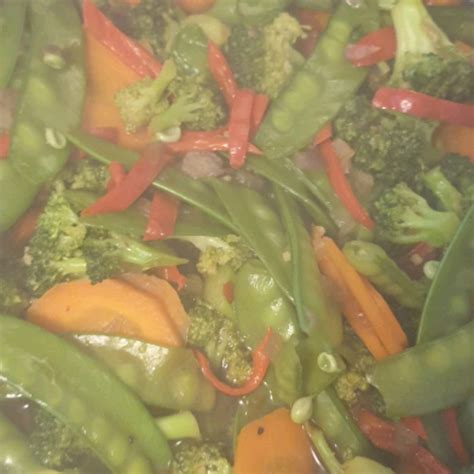
The way you cook and for how long profoundly impacts a dish’s color. Overcooking is the arch-nemesis of vibrant food. Quick cooking methods like stir-frying, steaming, or sautéing are excellent for retaining color and nutrients. When stir-frying, ensure your pan is hot and cook vegetables in small batches to maintain high heat, preventing them from stewing and losing their snap and color. For root vegetables, roasting at a moderate temperature until just tender, rather than soft, keeps their natural pigments intact. Always aim for ‘al dente’ when cooking vegetables to preserve their texture and vividness.
Smart Storage and Preparation Practices
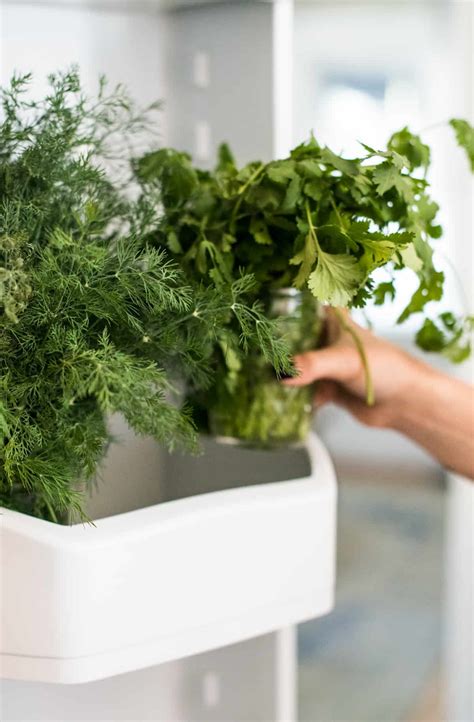
Before cooking even begins, proper storage and preparation are crucial. Store delicate herbs and greens correctly—often wrapped in a damp paper towel and placed in an airtight container—to extend their freshness. When preparing ingredients, minimize exposure to air for items that oxidize quickly. For example, prepare avocados or apples just before serving, or toss them immediately with an acidic dressing. Even pre-cutting vegetables for a salad too far in advance can lead to a dull presentation. Prioritize freshness from the very start.
Garnishes and Glazes for Finishing Touches
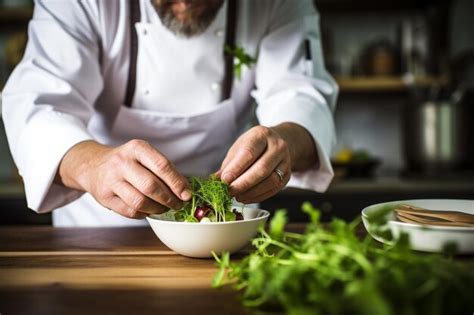
Once a dish is cooked, the final touches can make all the difference. Fresh garnishes are not just decorative; they add a pop of vibrant color. Think finely chopped herbs like parsley or cilantro, a sprinkle of bright red chili flakes, or a handful of fresh microgreens. Light glazes or dressings, especially those with an acidic base, can add a sheen and enhance the existing colors without masking them. A simple vinaigrette on a salad or a brush of olive oil on roasted vegetables just before serving can revive their luster. Serve dishes promptly to capture their peak visual appeal before colors fade or textures soften.
The Role of Natural Pigments and Antioxidants
Understanding the pigments responsible for food color can also guide your cooking. Chlorophyll gives greens their color, carotenoids provide reds, oranges, and yellows, and anthocyanins are responsible for purples and blues. Many of these pigments are also powerful antioxidants. Gentle cooking methods and the aforementioned hacks help protect these compounds. For instance, cooking red cabbage with a touch of vinegar will help maintain its vibrant purple, as anthocyanins are pH-sensitive. Embracing these natural properties ensures not only beautiful food but also nutrient-rich meals.
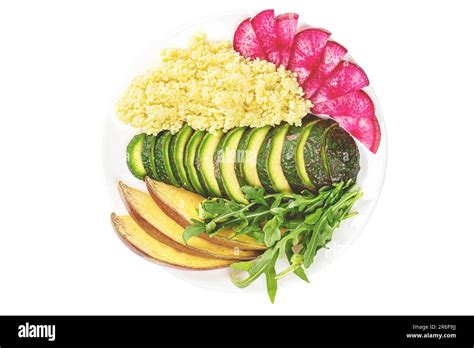
Conclusion
Creating visually stunning dishes is an art form, but one that is easily mastered with a few simple techniques. From the initial preparation steps like blanching and acidulation to mindful cooking and thoughtful garnishing, each stage offers an opportunity to preserve and enhance the natural beauty of your ingredients. By implementing these recipe hacks, you’ll not only impress with vibrant, fresh-looking meals but also elevate the overall dining experience, proving that we truly do eat with our eyes first.