



How to adapt recipes for stunning visuals & peak flavor?
Cooking is an art that appeals to all senses, and truly exceptional dishes captivate both the palate and the eye. Adapting recipes to achieve stunning visuals without compromising peak flavor requires a thoughtful approach, blending culinary science with artistic flair. This guide explores how you can elevate your cooking from simply delicious to truly unforgettable.
Elevating Flavor: Beyond the Recipe Basics
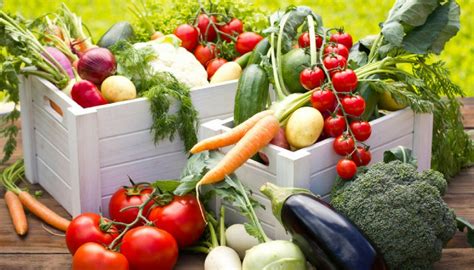
Peak flavor starts with exceptional ingredients. When adapting a recipe, consider the quality, seasonality, and origin of your produce, meats, and spices. Fresh, vibrant ingredients inherently possess stronger flavors and often more appealing natural colors. Don’t be afraid to deviate from a recipe’s suggested produce if something else looks more appealing and is in season.
Flavor layering is key. Think about the balance of sweet, sour, salty, bitter, and umami. A dish often benefits from multiple layers of the same flavor profile – for example, using lemon zest, fresh lemon juice, and even preserved lemon to add complexity to acidity. Experiment with fresh herbs added at different stages of cooking, or a finishing sprinkle of flaky sea salt to brighten and enhance the overall taste.
Crafting Visual Feasts: The Art of Presentation
Before even tasting, we eat with our eyes. To achieve stunning visuals, focus on color, contrast, and texture. A monochromatic dish, while potentially delicious, might lack visual interest. Introduce contrasting colors through garnishes like fresh herbs, colorful vegetables, or vibrant sauces. Think about the natural colors of your ingredients and how they complement or contrast each other.
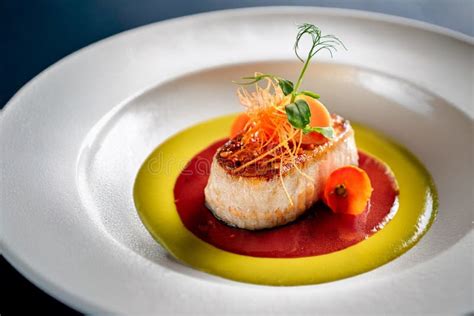
Plating is your canvas. Consider the negative space on the plate, the height of your components, and the overall arrangement. Instead of simply piling food, arrange it deliberately. Use sauces as a base or drizzle, create height with stacked ingredients, and always ensure clean edges. A small, intentional garnish can transform a dish from good to gourmet.
Strategic Adaptations for Both Senses
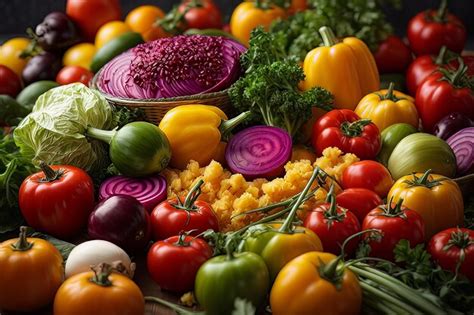
To simultaneously boost visuals and flavor, consider strategic ingredient swaps. For example, replacing standard potatoes with purple potatoes adds a striking color contrast and a subtly different flavor profile. Using a mix of bell peppers – red, yellow, and orange – instead of just one color instantly makes a dish more appealing without changing the fundamental taste profile significantly.
Cooking methods also play a crucial role. Roasting vegetables at a high temperature can bring out beautiful caramelization and deepen their flavor, while blanching green vegetables briefly in salted water then shocking them in ice water locks in their vibrant color and retains a crisp texture. These techniques don’t just cook the food; they enhance its intrinsic beauty and taste.
Don’t underestimate the power of garnishes. A swirl of crème fraîche, a sprinkle of toasted nuts, a few edible flowers, or a finely chopped herb mix can add the finishing touch. Ensure your garnishes are not just for show; they should either complement or subtly contrast the main flavors of the dish, adding an extra layer of taste or texture.

The Iterative Process: Taste, Adjust, Refine
Adapting recipes is an ongoing process of experimentation. Always taste as you go. Seasoning isn’t a one-time event; adjust salt, acid, and spice throughout the cooking process. Before serving, taste one last time and make any final tweaks. For visuals, practice plating different arrangements, and don’t be afraid to iterate. What looks good in your mind might need adjusting on the plate.
Take notes on your adaptations – what worked, what didn’t, and why. This meticulous record-keeping will help you refine your techniques and build a repertoire of visually stunning and exceptionally flavorful dishes. Remember, every master chef started by experimenting and learning from each culinary endeavor.
Conclusion: The Symphony of Sight and Taste
Adapting recipes for both stunning visuals and peak flavor is about embracing a holistic approach to cooking. It’s about understanding that every ingredient, every cooking technique, and every plating decision contributes to the final experience. By focusing on ingredient quality, thoughtful flavor layering, and artistic presentation, you can transform everyday meals into memorable culinary masterpieces that delight all the senses.