




Smart fridge organization for peak produce freshness & visibility?

Why Smart Fridge Organization Matters
Ever opened your refrigerator only to find a forgotten carton of berries past its prime or a wilting head of lettuce buried in the back? A disorganized fridge doesn’t just look messy; it leads to food waste, unnecessary spending, and a hindrance to healthy eating habits. Smart fridge organization is more than just tidiness; it’s a strategic approach to food management that maximizes freshness, improves visibility, and streamlines your kitchen routine.
By understanding how your refrigerator works and implementing effective storage techniques, you can significantly extend the life of your produce, reduce food waste, and make meal prep a breeze. Let’s dive into practical steps to transform your fridge from a chaotic cavern into a well-oiled, produce-preserving machine.
Understanding Your Fridge’s Zones
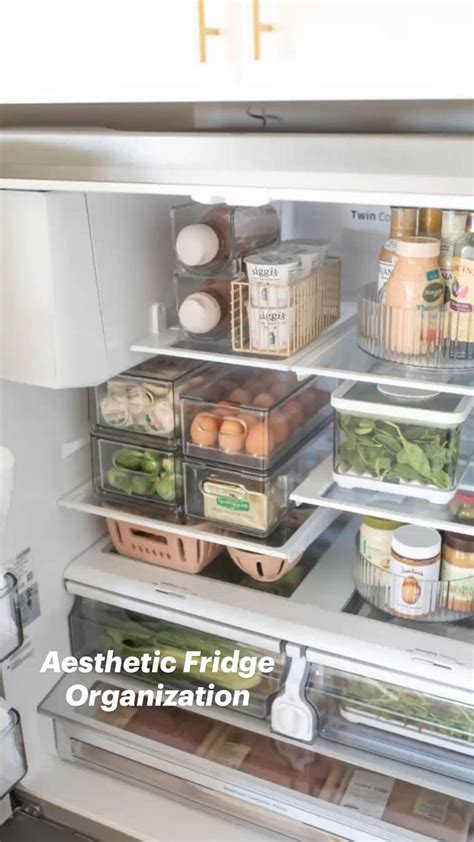
Your refrigerator isn’t a uniformly cold box; it has distinct temperature and humidity zones that are crucial for optimal produce storage. Knowing these zones is the first step to smart organization.
Crisper Drawers: High vs. Low Humidity
- High-Humidity Drawer (often labeled “Fruits” or “Vegetables” with a closed vent icon): Ideal for leafy greens (spinach, lettuce, kale), herbs, carrots, broccoli, and other produce that wilts easily. The high humidity prevents moisture loss.
- Low-Humidity Drawer (often labeled “Meats” or “Fruits” with an open vent icon): Best for produce that emits ethylene gas, which can cause other items to ripen faster. This includes apples, pears, peaches, and most fruits that don’t need high humidity.
Shelves and Doors
The coldest parts of your fridge are typically the back and bottom shelves. The warmest spots are the door shelves, which are exposed to room temperature every time the door opens. Reserve door shelves for condiments, jams, and drinks – items that are less sensitive to temperature fluctuations. Dairy, raw meat, and leftovers should be on the colder main shelves.

Pre-Storage Preparation: The Key to Longevity
How you store produce matters, but how you prep it before storage is equally vital.
Wash and Dry Properly
For many vegetables and some fruits, a quick wash before storing can remove dirt and pesticides. However, thorough drying is critical. Excess moisture can lead to mold and spoilage. Use a salad spinner or paper towels to ensure produce is completely dry before storage.
Trim and Prep for Convenience
Consider trimming, chopping, or portioning produce immediately after buying. Cut bell peppers, carrot sticks, or broccoli florets can be stored in airtight containers, making them grab-and-go options for snacks or meal additions. This not only extends freshness but also encourages healthier eating.
Smart Storage Solutions for Maximum Freshness
Invest in the right tools to keep your produce at its best.
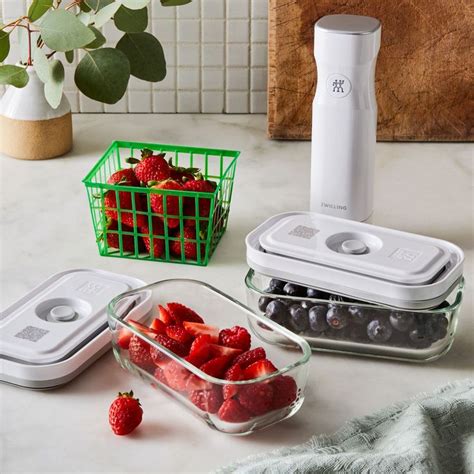
- Airtight Containers: Essential for cut fruits and vegetables, preventing dehydration and keeping odors contained. Glass containers are excellent as they don’t absorb smells and are easy to clean.
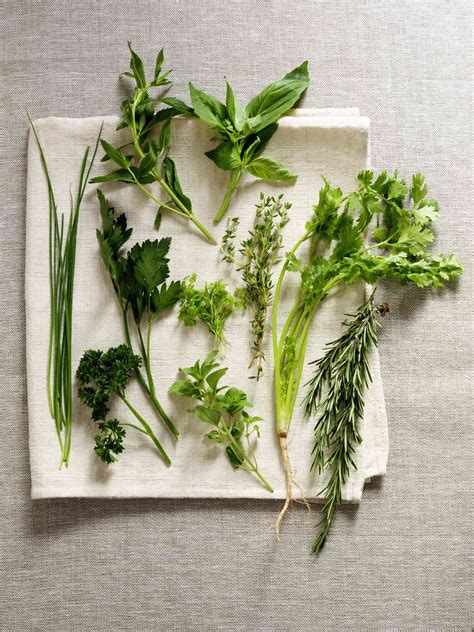
- Breathable Bags: For leafy greens and some herbs, produce bags with small vents or even reusable cotton produce bags can help maintain humidity without trapping excessive moisture. Wrap herbs in a damp paper towel before placing them in a breathable bag.
- Specialty Produce Keepers: Some brands offer containers designed with vents or elevated bases to optimize air circulation and moisture control for specific produce types.
Maximizing Visibility and Accessibility
If you can’t see it, you won’t eat it. Visibility is key to reducing waste.
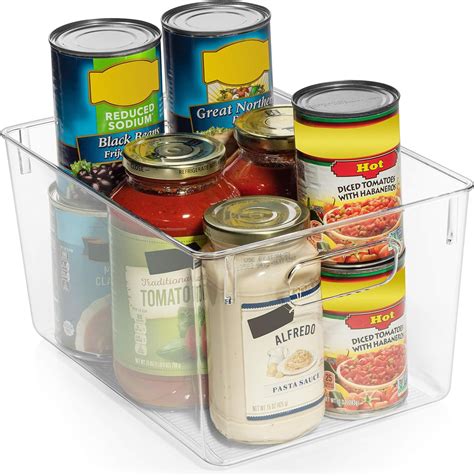
- Clear Bins and Dividers: Use clear, stackable bins to categorize and contain smaller items. This makes it easy to pull out a whole bin to find what you need without rummaging. Dividers can further organize within bins.
- “Eat Me First” Zone: Designate a specific shelf or bin for items nearing their expiration date or produce that needs to be consumed soon. This visual cue helps prioritize consumption.
- First-In, First-Out (FIFO): When you buy new groceries, place older items at the front or top of their designated areas. This ensures you’re always using the oldest ingredients first.
Leveraging Technology for a Smarter Fridge
Beyond physical organization, technology can further enhance your fridge management.
- Fridge Inventory Apps: Apps like “FoodKeeper” or “NoWaste” allow you to log items, track expiration dates, and get reminders, helping you plan meals around what you already have.
- Smart Fridge Features: If you have a smart refrigerator, utilize its inventory tracking, internal cameras (to check contents while grocery shopping), or family hub features to manage your food stock more efficiently.
Conclusion: A Fresh Start for Your Kitchen
Transforming your refrigerator into an organized, efficient produce sanctuary is a journey, not a destination. By understanding temperature zones, mastering pre-storage prep, investing in smart containers, and prioritizing visibility, you can significantly reduce food waste, save money, and make healthy eating an effortless part of your daily life. A well-organized fridge is a clear sign of a well-run kitchen, leading to less stress and more delicious, fresh meals.