




How to achieve vibrant colors and perfect plating in your home cooking?
In the world of home cooking, the saying “we eat with our eyes first” holds profound truth. While taste and aroma are paramount, the visual appeal of a dish can significantly enhance the overall dining experience. Transforming your meals from simply delicious to visually stunning doesn’t require culinary school; it just needs a few thoughtful techniques and a bit of practice. This guide will walk you through how to infuse your home-cooked dishes with vibrant colors and present them with professional flair.
The Power of Color: Bringing Your Plate to Life
Color is arguably the most impactful element in food presentation. A plate bursting with diverse hues is instantly more appealing and signals freshness and nutritional variety. The key lies in selecting and preparing ingredients that naturally offer a spectrum of colors.
Embrace Fresh, Diverse Ingredients
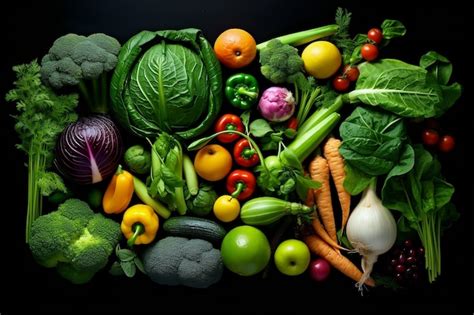
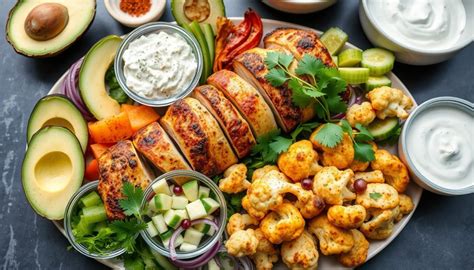
Think beyond beige and brown. Incorporate a wide array of vegetables and fruits. Red tomatoes, yellow bell peppers, green spinach, purple cabbage, orange carrots, and deep-hued berries not only add nutritional value but also create a visually rich tapestry. Herbs like fresh parsley, cilantro, dill, and chives are not just for flavor; their bright green pop can elevate any dish.
Cooking Methods That Preserve Vibrancy
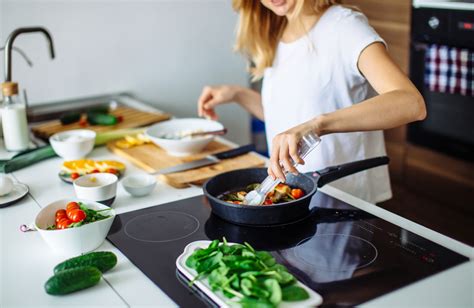
How you cook ingredients can drastically affect their color. Overcooked vegetables often lose their bright appeal, turning dull. Opt for cooking methods that retain color:
- Blanching: Quickly boiling vegetables for a short period and then plunging them into ice water stops the cooking process and locks in their vibrant color.
- Sautéing: High-heat, quick sautéing can maintain the crispness and color of many vegetables.
- Roasting: While roasting can deepen colors, avoid over-browning if you want to keep them bright.
- Steaming: A gentle method that preserves color and nutrients well.
Consider the color contrast when combining ingredients. A light-colored protein like chicken or fish can be beautifully complemented by a medley of colorful roasted root vegetables or a bright green pesto.
Mastering Plating Techniques: From Plate to Art
Once you have your colorful components, the next step is arranging them artfully on the plate. Plating is about creating balance, focus, and visual interest.
Choose Your Canvas Wisely
The plate itself is your canvas. White or neutral-colored plates tend to make food colors pop more effectively. Consider the size and shape; don’t overcrowd a small plate, and use the plate’s negative space to create visual breathing room. Deep bowls are excellent for stews, soups, and dishes with sauces.
Balance and Asymmetry
While symmetry can be beautiful, asymmetry often feels more dynamic and natural. Aim for balance in terms of color, texture, and volume, rather than exact mirror images. The “rule of thirds,” borrowed from photography, can be a helpful guide – imagine dividing your plate into a tic-tac-toe grid and placing your main elements at the intersections.
Build Height and Dimension
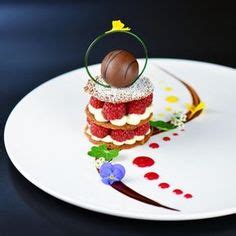
Flat food can look uninspired. Create visual interest by building up your food. Stack components, lean items against each other, or use a mold for starches like rice or polenta. Think vertically, not just horizontally. For instance, stack roasted vegetables alongside a protein, or fan out sliced ingredients.
Strategic Use of Sauces and Garnishes
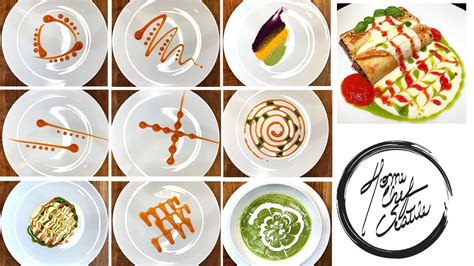
Sauces can be painted, drizzled, or swirled to add artistic flair and flavor. Use a spoon or squeeze bottle for precision. Garnishes are the finishing touch: a sprinkle of fresh herbs, a dash of paprika, a few toasted nuts, or a drizzle of balsamic glaze can add texture, color, and polish. Ensure garnishes are edible and complementary to the dish’s flavors.
Practical Tips for the Home Cook
You don’t need a Michelin-star kitchen to plate like a pro. A few simple habits can make a big difference.
- Mise en Place for Plating: Just as you prep ingredients before cooking, have your plating elements (sauces, garnishes, clean plates) ready before serving.
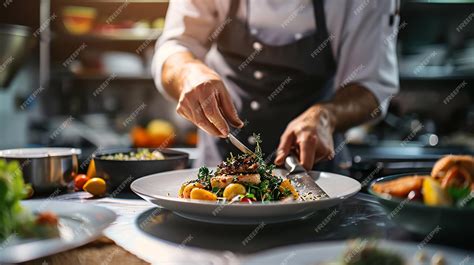
- Keep it Clean: Always wipe the rim of your plate with a clean cloth or paper towel before serving to remove any smudges or drips. A clean plate instantly looks more professional.
- Don’t Overcrowd: Less is often more. Leave some empty space on the plate to make the food you’ve placed stand out.
- Practice Makes Perfect: The more you try, the better you’ll get. Don’t be afraid to experiment with different arrangements and garnishes.
- Simple Tools: Tongs for delicate placement, a squeeze bottle for sauces, and a clean brush for wiping plate edges are simple tools that can elevate your plating.
Conclusion
Achieving vibrant colors and perfect plating in your home cooking is a journey of creativity and attention to detail. By consciously choosing colorful ingredients, using appropriate cooking methods, and applying basic plating principles, you can transform everyday meals into culinary works of art. Not only will your food look more appealing, but the act of thoughtful presentation can also deepen your appreciation for the cooking process itself. So go ahead, unleash your inner chef, and make every dish a feast for the eyes!