



Plating hacks: Make your gourmet dishes pop for stunning food photography.
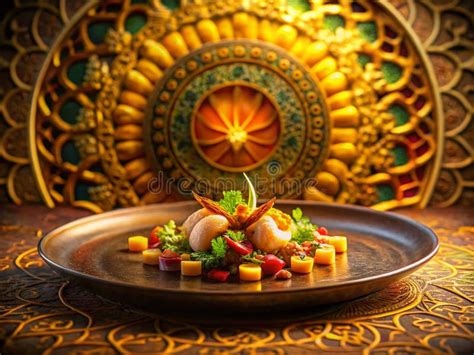
The Art of Visual Culinary Presentation
In the age of social media, a dish isn’t truly complete until it’s been photographed and shared. For home cooks and culinary enthusiasts alike, mastering the art of plating is no longer just about enhancing the dining experience; it’s about crafting a visual narrative that makes your gourmet creations pop in every picture. Stunning food photography begins long before the camera shutter clicks, right on the plate itself. Elevating your plating game can transform a delicious meal into an irresistible visual feast, beckoning likes, shares, and admiration.
This guide will dive into practical, actionable plating hacks that professional chefs and food stylists use to make dishes incredibly photogenic. Forget simply serving; we’re talking about strategically composing your ingredients to highlight their best features, playing with colors, textures, and forms to create a truly captivating image.
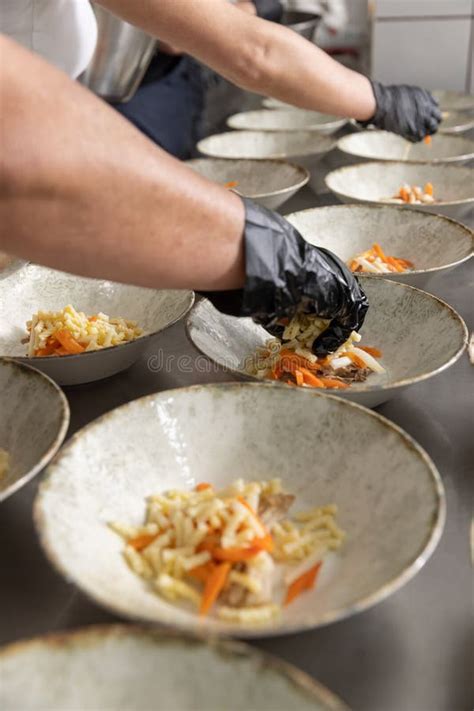
Fundamental Principles of Stunning Plating
Before diving into specific techniques, understanding the core principles that govern effective food presentation is crucial. These are the building blocks upon which all visually appealing dishes are constructed.
Color and Contrast
Vibrant colors are your best friends. Think about how different hues complement or contrast each other. A bright green garnish against a rich, dark sauce, or a splash of red from a berry on a creamy white dessert, can instantly make a dish more appealing and dynamic. Aim for a palette that is both harmonious and exciting.
Texture Variation
A plate that offers a variety of textures is far more interesting to the eye (and palate). Consider crunchy elements, smooth purees, delicate foams, and tender proteins. Textural differences add depth and visual intrigue, preventing the dish from looking flat or monotonous.
Shape and Form
Play with different shapes and forms on your plate. Cubes, spheres, wedges, and irregular shapes all contribute to a dynamic composition. Utilizing tools like ring molds or carving ingredients can help create precise and elegant forms that elevate the dish’s architectural quality.
Negative Space
Just as important as what’s on the plate is what’s not. Leaving ample negative space (the empty areas on the plate) allows each component to breathe and stands out. Overcrowding a plate makes it look messy and unappetizing. Think of the plate as a canvas, and your food as the art.
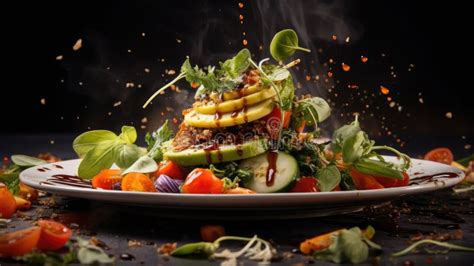
Height and Dimension
Adding height to your dish creates a more three-dimensional and dramatic presentation. Stack ingredients strategically, build layers, or use taller garnishes. This adds a sense of grandeur and makes the dish more visually engaging from various angles, especially for photography.
Essential Plating Hacks for Photogenic Dishes
Now, let’s get into the nitty-gritty techniques that will instantly elevate your culinary photography.
The Rule of Thirds (Culinary Edition)
Apply the classic photography rule of thirds to your plate. Imagine dividing your plate into a 3×3 grid. Instead of centering everything, place key elements at the intersections of these lines. This creates a more balanced and visually appealing composition.
Building Layers
Rather than just placing ingredients side-by-side, think about building up. Start with a base, then add your main protein, followed by vegetables or starches, and finally, your garnishes. Each layer adds depth and complexity.
Strategic Saucing
Sauce isn’t just for flavor; it’s a powerful plating tool. Instead of pouring it all over, use squeeze bottles or spoons to create elegant drizzles, swirls, dots, or clean lines. A strategically placed smear of puree or a delicate circle of sauce can frame your dish beautifully.
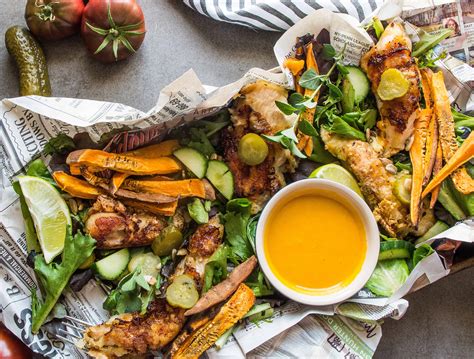
Garnish with Purpose
Garnishes should never be an afterthought. They should add color, texture, and flavor, complementing the dish. Think fresh herbs, edible flowers, citrus zest, toasted nuts, or a sprinkle of paprika. Place them precisely and sparingly for maximum impact.
Edible Flowers and Microgreens
These tiny elements are powerful visual enhancers. Edible flowers add a delicate pop of color and elegance, while microgreens provide a burst of fresh green and intricate texture, instantly elevating the perceived gourmet status of a dish.
Tools of the Plating Trade
While creativity is key, having the right tools makes a significant difference in achieving professional-level plating.
- Plating Tweezers: Essential for precise placement of small garnishes, herbs, and delicate components.
- Squeeze Bottles: Perfect for controlled application of sauces, purees, and oils, allowing for intricate designs.
- Ring Molds: Help create perfectly circular portions of grains, purees, or salads, adding structure and uniformity.
- Pastry Brushes: Useful for brushing glazes, oils, or thin sauces onto proteins or plates for a polished finish.
- Offset Spatulas: Ideal for spreading purees or creating elegant smears of sauces on the plate.
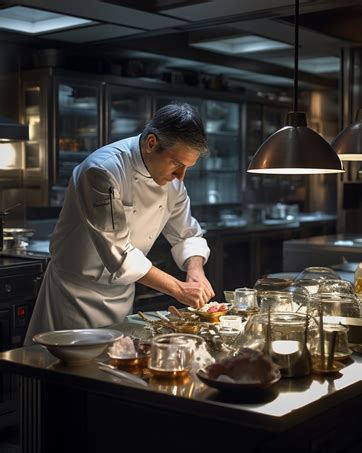
Practical Tips for Picture-Perfect Results
Choose Your Plate Wisely
The plate itself is an extension of your dish. Opt for simple, clean plates (white or neutral tones often work best) that won’t distract from the food. Consider the size and shape to ensure adequate negative space.
Clean Edges are Key
After plating, always take a moment to clean the edges of your plate with a damp cloth or paper towel. Smudges or drips can ruin an otherwise perfect presentation, especially in photographs.
Work Quickly
Many dishes look best fresh and hot (or cold, depending on the dish). Work efficiently to plate your food before it loses its ideal temperature, texture, or vibrant appearance, which can be crucial for photography.
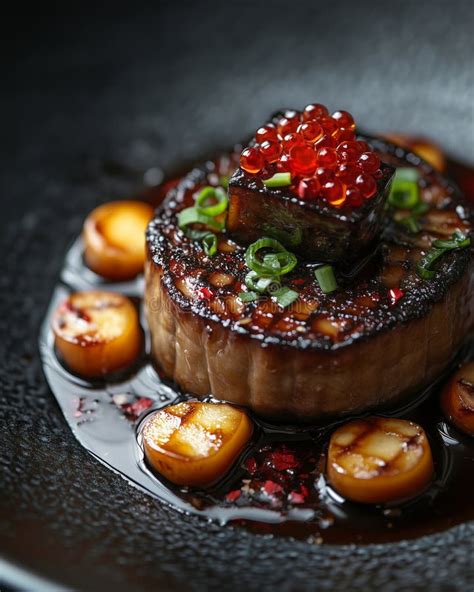
Conclusion: Plate with Passion
Transforming your gourmet dishes into photographic masterpieces is an exciting journey that combines culinary skill with artistic vision. By understanding the fundamental principles of plating and implementing these practical hacks, you can elevate your food presentation significantly. Remember to experiment, trust your aesthetic instincts, and always plate with passion. The camera, and your audience, will thank you for it.