



How to optimize Visual Bites for foodie discoverability & recipe clicks?
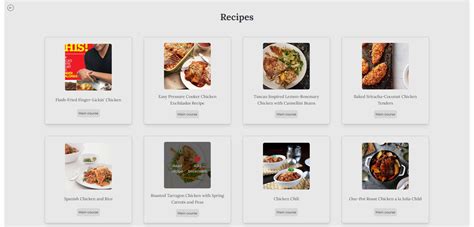
In the vibrant digital culinary landscape, capturing attention is paramount. “Visual Bites” – your captivating food photos, short videos, and enticing graphics – are the first interaction points for potential recipe followers. They are not just pretty pictures; they are powerful tools for discoverability and direct drivers of traffic to your recipes. Optimizing these visual assets is key to cutting through the noise and turning casual browsers into avid bakers, cooks, and diners.
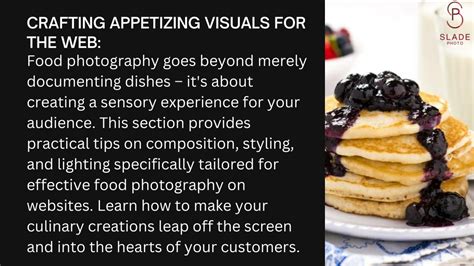
1. Master High-Quality Food Photography & Videography
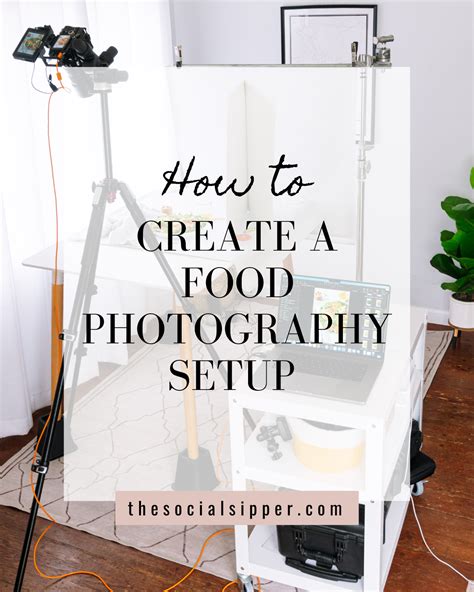
The foundation of any successful Visual Bite is impeccable quality. Poor lighting, blurry images, or unappealing composition will be scrolled past in an instant. Invest time in understanding basic food photography principles: natural lighting is your best friend, composition (rule of thirds, leading lines) guides the eye, and styling tells a story. For videos, focus on crisp footage, clear audio (if applicable), and dynamic editing that highlights the textures and appeal of your dish.
- Lighting: Utilize soft, diffused natural light whenever possible. Avoid harsh direct sunlight or overhead artificial lighting.
- Composition: Experiment with different angles (overhead, 45-degree, close-up) to find what best showcases your dish.
- Styling: Use props sparingly to enhance, not distract. Consider color contrast and texture to make your food pop.
- Editing: A subtle edit can elevate your visuals. Adjust brightness, contrast, and color balance for a professional finish.
2. Craft Compelling Captions & Strategic Hashtags
A stunning visual alone isn’t enough; it needs context and discoverability. Your caption is where you connect with your audience, tell the story of your dish, and gently guide them towards the recipe. Hashtags are your primary tools for discoverability, allowing new audiences to find your content.
- Storytelling Captions: Share a personal anecdote, a tip related to the dish, or a question to encourage engagement. Make it relatable and enticing.
- Keyword Integration: Naturally weave in keywords related to your dish (e.g., “healthy vegan pasta,” “easy weeknight chicken stir-fry”) that people might search for.
- Strategic Hashtags: Use a mix of broad, niche, and trending hashtags. Research what your target audience is searching for. Include hashtags for ingredients, cuisine types, cooking methods, and dietary preferences (e.g., #glutenfree, #plantbased, #bakingtips).
- Geo-tagging: If your recipe has a regional connection or you’re promoting a local ingredient, use location tags.
3. Leverage Platform-Specific Features for Maximum Reach
Each social media platform offers unique features that can significantly boost your Visual Bites’ discoverability. Understanding and utilizing these features is crucial for reaching a wider, more engaged audience.
- Instagram Reels/Stories: Use trending audio, short tutorial clips, or behind-the-scenes glimpses. Utilize polls and Q&A stickers in Stories to drive interaction.
- Pinterest: Optimize your pins with keyword-rich titles and descriptions. Pinterest acts as a visual search engine, so treat your pins like mini-blog posts for SEO. Create Idea Pins with step-by-step videos.
- TikTok: Embrace short, entertaining video formats. Participate in food challenges and use popular sounds to increase visibility. Focus on quick, engaging recipe demonstrations.
- YouTube Shorts: Repurpose your short-form video content here with relevant titles and descriptions.
4. Understand Your Audience & Analyze Performance
Optimization is an ongoing process. To truly optimize your Visual Bites, you need to understand what resonates with your audience. Pay attention to your analytics to refine your strategy.
- Audience Demographics: Who are your followers? What are their interests? Tailor your content to their preferences.
- Engagement Metrics: Track likes, comments, saves, and shares. High engagement signals popular content.
- Click-Through Rates (CTR): Monitor how many people click on your recipe link. A low CTR might indicate a disconnect between your visual bite and your call to action, or that your visual isn’t compelling enough to warrant a click.
- A/B Testing: Experiment with different visual styles, caption lengths, or calls to action to see what performs best.
5. Implement Clear Calls to Action (CTAs) & Seamless Recipe Integration
The ultimate goal of an optimized Visual Bite is to drive traffic to your recipe. Make it incredibly easy for your audience to find and access the full recipe.
- Prominent CTAs: Include clear, concise calls to action in your captions (e.g., “Recipe in bio!”, “Tap link for full recipe,” “Find the recipe on my blog”).
- Link in Bio/Swipe Up: Utilize Instagram’s link in bio feature (or swipe up for eligible accounts) and TikTok’s profile link for direct access.
- Direct Links: On platforms like Facebook or Pinterest, include direct links within your post description.
- Consistent Branding: Maintain a consistent visual style and tone across all platforms so your audience recognizes your content instantly.
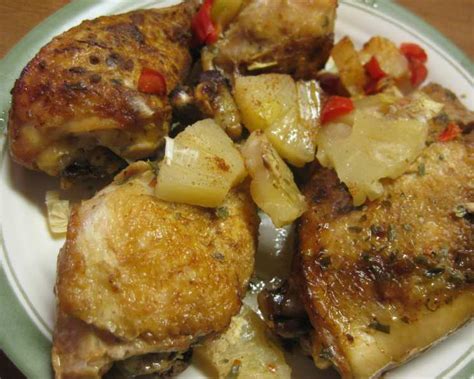
By meticulously crafting your Visual Bites, from the initial capture to the final CTA, you transform mere food photos into powerful marketing tools. Prioritize quality, engage strategically with your audience, leverage platform capabilities, and always provide a clear path to your delicious recipes. This comprehensive approach will not only boost your discoverability but significantly increase your recipe clicks, growing your foodie community in the process.