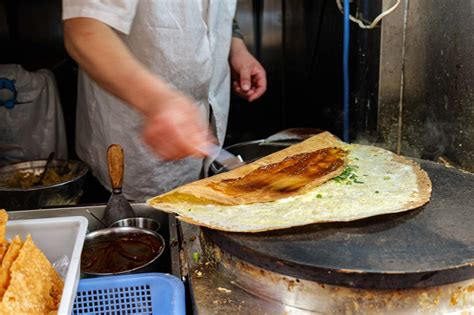





Beyond tourist traps: How do foodies visually discover authentic local eats?

The Quest for Genuine Flavors
For the ardent foodie, a trip isn’t complete without diving deep into the local culinary scene. But with countless restaurants vying for attention, how does one discern the authentic gems from the cleverly disguised tourist traps? The secret often lies in sharp visual observation, a nuanced understanding of what truly signifies local authenticity.
It’s an art form, a silent visual language spoken by the establishments themselves, the patrons they attract, and the food they serve. Foodies don’t just eat; they visually ‘read’ a place before stepping inside, hunting for clues that point to a truly local, unpretentious, and delicious experience.
Deciphering Visual Cues from the Street
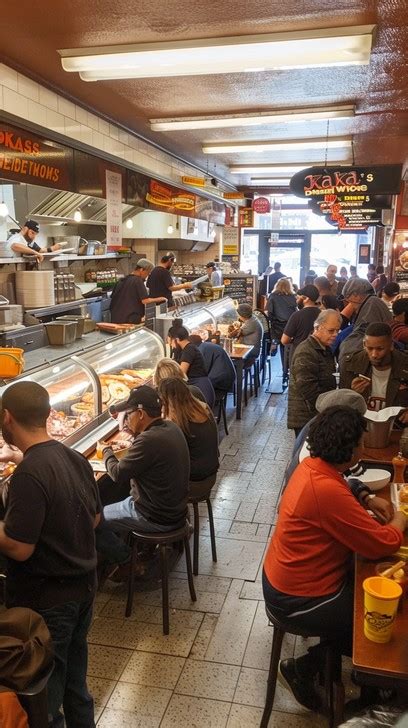
The first impression is crucial. Foodies often scan for a lack of overt tourism marketing—no multilingual menus displayed outside with glossy, generic food photos. Instead, they look for humble, perhaps even slightly worn, exteriors that suggest longevity and focus on substance over flash. The most telling sign? The crowd. A restaurant packed with locals, especially during off-peak tourist hours, is a powerful visual indicator of authenticity. Observe their interactions, their ease, and the types of dishes they’re enjoying.
Similarly, simple, functional decor, often with a hint of local character rather than universal ‘ethnic’ themes, speaks volumes. An establishment that hasn’t overtly tried to ‘package’ itself for an international audience often means it caters to and satisfies the palates of its own community. Peeking into the kitchen, if visible, can also reveal traditional cooking methods or bustling activity that signals freshness.
The Menu and Presentation: A Visual Story
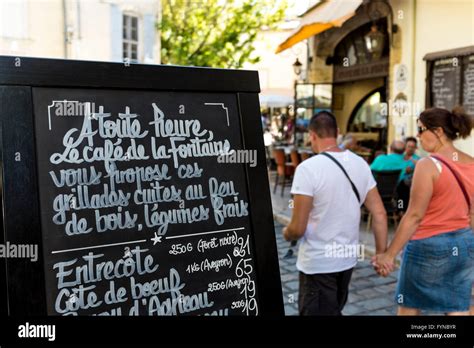
Once inside, the menu becomes a key visual text. Hand-written menus, often in the local language with perhaps rudimentary English translations, can be a good sign. The absence of pictures, or pictures that look genuinely taken in-house rather than stock photos, suggests confidence in the food itself. A short, focused menu, specializing in a few dishes, is usually more promising than a sprawling tome trying to cater to every taste.
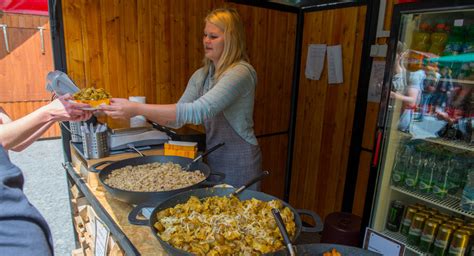
The way food is presented also offers visual clues. Authentic local food often prioritizes flavor and tradition over elaborate plating. Look for hearty, rustic presentations that emphasize fresh ingredients and traditional cooking techniques. Plates that are piled high and look like home-cooked meals, rather than sculpted culinary art, often signal a genuine experience.
Beyond the Plate: Environment and Interaction
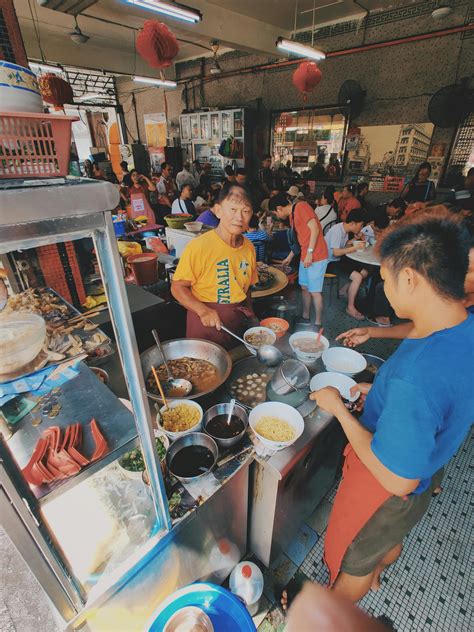
The overall ambiance and the interactions within the establishment provide further visual confirmation. Are tables shared? Is there a lively buzz of conversation in the local tongue? Do the staff interact casually and warmly with patrons, suggesting a regular clientele? These are all visual cues that a place is a living part of the community, not just a transient stop for tourists.
Observing what dishes are being served to other tables can also guide your choice. If you see multiple patrons enjoying the same specific dish, it’s often a sign of a house specialty or a beloved local favorite. The presence of unique local beverages or desserts further cements the authenticity of the experience.
Leveraging Digital Visuals and Local Wisdom
In the digital age, visual discovery extends online. Foodies often use Google Maps street view to virtually ‘walk’ around an area, scouting for unassuming storefronts that escape typical online reviews. Instagram, when used strategically, can be a treasure trove, not for perfectly styled influencer shots, but for candid photos posted by local users showcasing real meals and restaurant vibes.
Furthermore, consulting local bloggers or niche foodie groups online can yield visual recommendations that bypass mainstream tourist suggestions. The key is to look for visuals that emphasize the raw, unfiltered experience rather than polished, commercial photography. Trust your instincts and cross-reference multiple visual sources to form a holistic picture.
The Reward of the Visual Hunt
Ultimately, the visual journey of discovering authentic local eats is deeply rewarding. It leads to unexpected culinary delights, genuine cultural immersion, and often, more memorable experiences than any guidebook could offer. By sharpening their observational skills and learning to ‘read’ the visual language of authenticity, foodies transcend the typical tourist experience and forge a deeper connection with their destination through its most delicious offerings.
This deliberate visual hunt transforms dining from a mere necessity into an adventure, where every visual cue guides them closer to a true taste of local life, one hidden gem at a time.