




How do pro food stylists chop veggies for perfectly uniform, photo-worthy results?
The Secret Behind Picture-Perfect Veggies
Ever scrolled through a food blog or magazine and wondered how those vegetables look so impossibly perfect? Every dice, every julienne, every slice seems to be an identical twin to its neighbor. This isn’t just magic; it’s the meticulous work of professional food stylists who master specific techniques to ensure every ingredient is camera-ready. Achieving such uniformity not only makes food visually appealing but also contributes to even cooking and a superior eating experience. So, how do they do it?
Tools of the Trade: Sharpen Your Arsenal
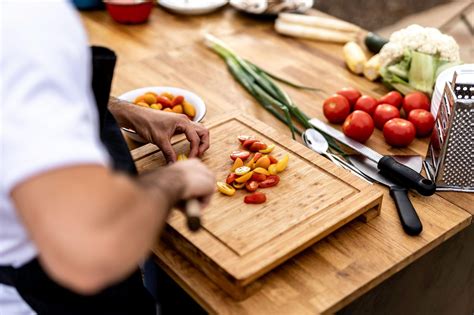
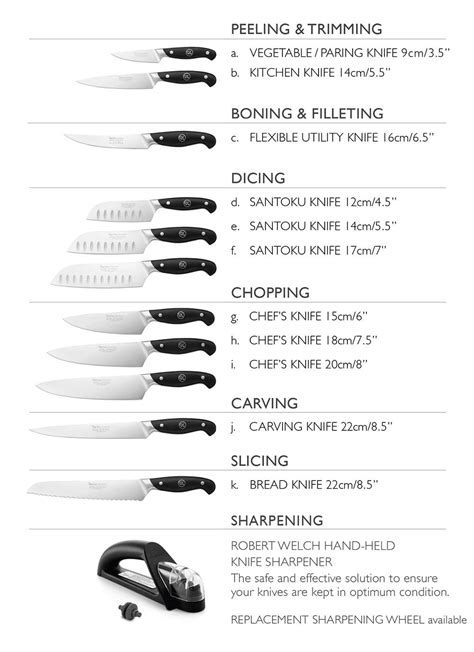
The foundation of any great chop begins with the right equipment. For food stylists, this means investing in high-quality tools and maintaining them rigorously. A razor-sharp knife is non-negotiable. A dull knife requires more force, leading to uneven cuts and potential accidents. Professional stylists typically favor a chef’s knife for most tasks, complemented by a paring knife for finer work. Regular honing and professional sharpening are key to keeping blades in prime condition.
Beyond knives, a stable, high-quality cutting board is crucial. Wood or composite boards are often preferred for their stability and gentleness on knife edges. Anti-slip mats underneath the board prevent movement, ensuring safety and precision. Some stylists also use rulers or templates for specific dimensions, though seasoned pros often eyeball with incredible accuracy.
Precision Techniques: Mastering the Blade
Uniformity isn’t just about a steady hand; it’s about understanding and executing specific cutting techniques. Before any cutting begins, proper mise en place is essential: vegetables are washed, peeled, and trimmed to manageable sizes. This foundational prep removes any imperfections that could interfere with a clean cut.
- The Claw Grip: This is fundamental for safety and precision. The non-dominant hand holds the vegetable, fingers curled inward, knuckles guiding the knife blade. This protects fingertips and allows the blade to glide smoothly against the knuckles, ensuring consistent thickness.
- Consistent Slicing: Whether you’re aiming for a bâtonnet (sticks), julienne (fine matchsticks), or brunoise (fine dice), the key is consistency. Each slice must be of the same thickness. This requires a rhythmic, controlled motion, often using the tip of the knife as a pivot point while the heel slices through.
- Layered Approach: For dicing, stylists often first create uniform planks, then cut those planks into uniform sticks (bâtonnets), and finally dice the sticks. This methodical, multi-step process guarantees perfect cubes.

When to Call in the Specialty Tools
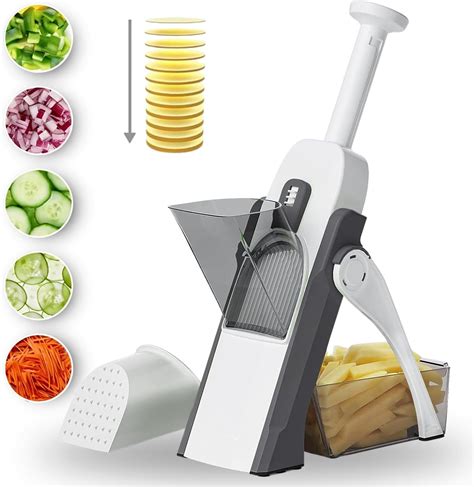
While knife skills are paramount, certain tools can provide unmatched uniformity for specific tasks. The mandoline slicer is a food stylist’s best friend for achieving ultra-thin, perfectly even slices of vegetables like potatoes, radishes, or cucumbers. With adjustable blades, it ensures every piece is the exact same thickness, ideal for gratins, garnishes, or perfectly layered compositions.
Spiralizers can also be used for creating uniform vegetable ‘noodles’ or ribbons, offering a creative and consistent texture that would be incredibly challenging to replicate by hand. However, these tools are typically used for specific effects, while the bulk of uniform chopping still relies on expert knife work.
The Stylist’s Mindset: Patience and Practice
More than tools or techniques, the core of a food stylist’s success lies in their approach: patience and relentless practice. Rushing a cut inevitably leads to uneven results. Stylists approach each vegetable with deliberate care, focusing on consistency over speed. They understand that every single piece contributes to the overall aesthetic of the dish.
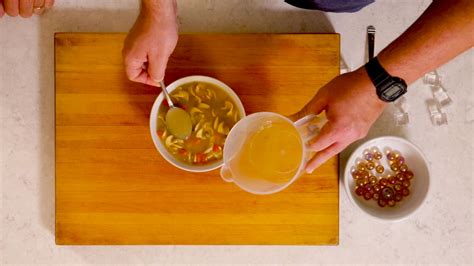
After achieving perfectly uniform cuts, proper handling is also crucial. Vegetables are often kept in ice water to maintain crispness and vibrant color until just before plating. This attention to detail, from the first wash to the final arrangement, ensures that the hard-won uniformity translates into a stunning, photo-worthy result.
Elevate Your Vegetable Prep
While you might not be styling for a magazine cover every day, adopting these professional habits can significantly improve your home cooking. Sharpen your knives, practice your claw grip, and take your time. You’ll not only achieve more visually appealing dishes but also find that your vegetables cook more evenly and taste better, making every meal a little more special.