



Clever visual storage hacks to keep real food fresh longer?
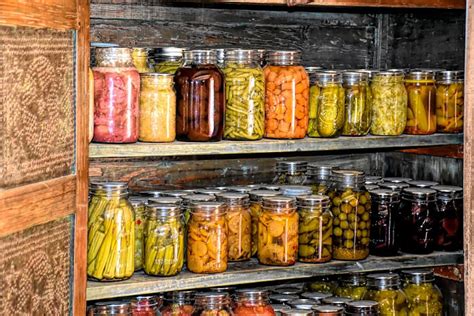
In a world increasingly conscious of sustainability and mindful consumption, extending the life of our food is not just a money-saving trick—it’s a lifestyle choice. Food waste is a significant global issue, with much of it occurring right in our homes. The good news? Simple, visual storage hacks can dramatically reduce spoilage, keep your real food fresh longer, and transform your kitchen into an efficient, waste-reducing powerhouse. Let’s dive into practical strategies that leverage sight to save your sustenance.
The Visual Advantage in Food Preservation
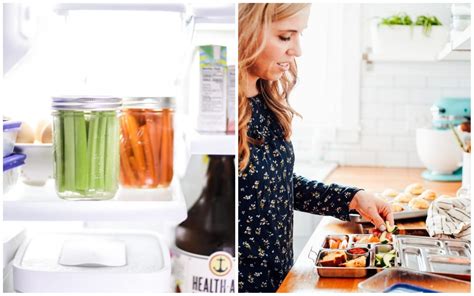
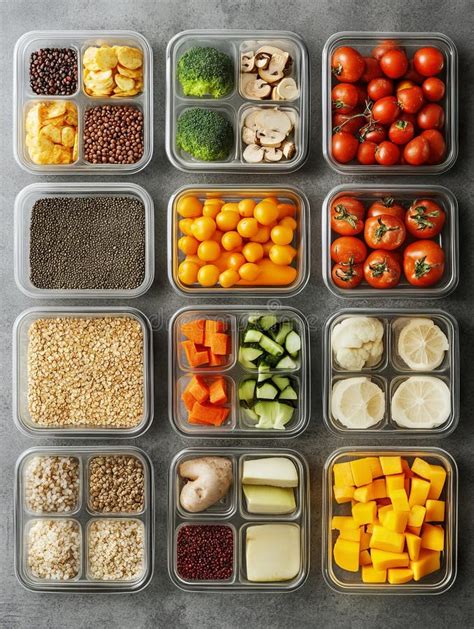
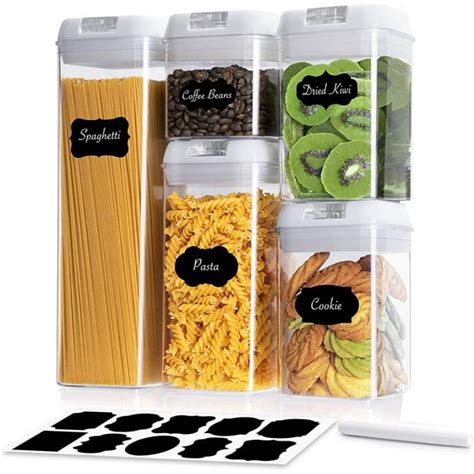
The old adage “out of sight, out of mind” holds especially true for food. When ingredients are hidden in opaque containers or at the back of the fridge, they’re often forgotten until it’s too late. Switching to clear, airtight containers for your pantry staples and refrigerator contents is perhaps the most impactful visual hack. From pasta and grains to chopped vegetables and leftovers, seeing what you have at a glance makes meal planning easier and encourages you to use items before they expire. This also naturally implements the “first-in, first-out” (FIFO) principle, as you’re more likely to grab what you can see.
Tailored Tactics for Fresh Produce
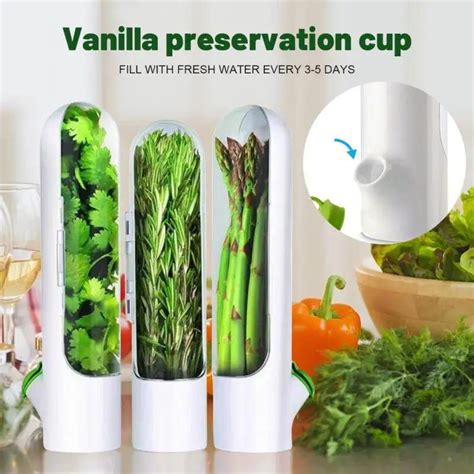
Fruits and vegetables each have unique storage needs, and understanding these can drastically extend their lifespan. For delicate berries, store them unwashed in a single layer with a paper towel at the bottom of a breathable container to absorb excess moisture. Fresh herbs, like parsley, cilantro, or asparagus, often thrive when stored upright in a jar of water on your counter or in the fridge, much like a bouquet of flowers, covered loosely with a plastic bag.
Leafy greens, such as spinach and lettuce, benefit from being washed, thoroughly dried, and then stored in an airtight container lined with a damp paper towel. This keeps them crisp and vibrant for days. Remember to separate ethylene-producing fruits (like apples, bananas, and tomatoes) from ethylene-sensitive ones (like leafy greens, broccoli, and carrots), as the gas can accelerate spoilage in the latter.
Mastering Your Pantry and Dry Goods
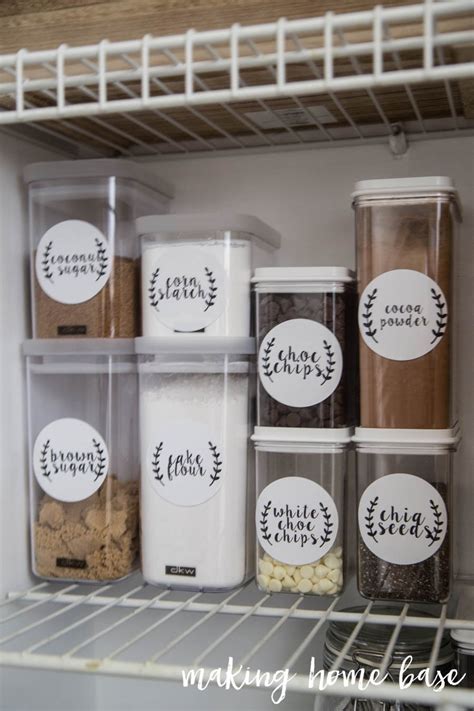
Beyond the refrigerator, your pantry is another prime candidate for visual organization. Transfer dry goods like flour, sugar, rice, pasta, and cereals into clear, stackable, airtight containers. Not only does this protect them from pests and moisture, but it also allows you to quickly assess stock levels and prevent duplicate purchases. Labeling these containers with the contents and purchase date (or best-by date) adds another layer of visual efficiency.
Maximize vertical space with tiered shelving or risers, ensuring that all items, even those at the back, are visible. This prevents older items from getting lost and forgotten, contributing to overall freshness and reduced waste.
Optimizing Your Refrigerator Zones
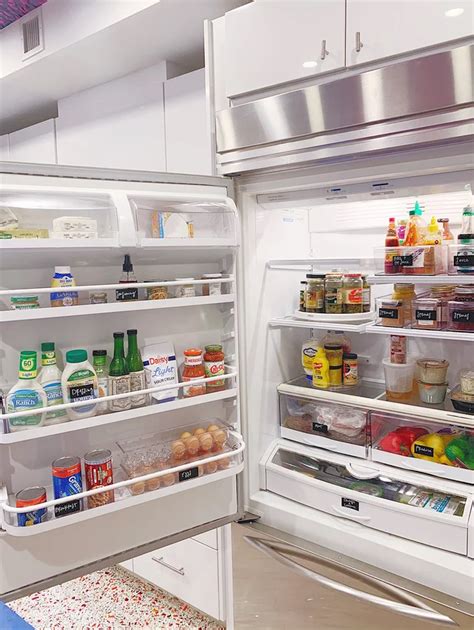
Your refrigerator isn’t a one-size-fits-all storage unit; different zones maintain varying temperatures. Use clear bins or drawers to designate specific sections for different food types: a “ready-to-eat” bin for snacks, a “meal prep” section for cooked components, and dedicated drawers for fruits and vegetables (crisper drawers are designed to manage humidity). Keep raw meats and dairy on the coldest, lowest shelves to prevent drips and ensure maximum longevity.
A “eat me first” shelf or basket, prominently placed, is an excellent visual reminder for items nearing their expiration date or leftovers that need to be consumed promptly. This simple hack ensures no good food goes to waste simply because it was overlooked.
Cultivating a Waste-Reducing Mindset
Implementing these visual storage hacks is more than just tidying up your kitchen; it’s about cultivating a more mindful approach to food. By making your ingredients visible and accessible, you empower yourself to make better choices, reduce impulse buys, and significantly cut down on food waste. The result is a more efficient kitchen, a healthier planet, and a healthier wallet. Start small, incorporate one or two hacks at a time, and watch as your food stays fresher, longer.