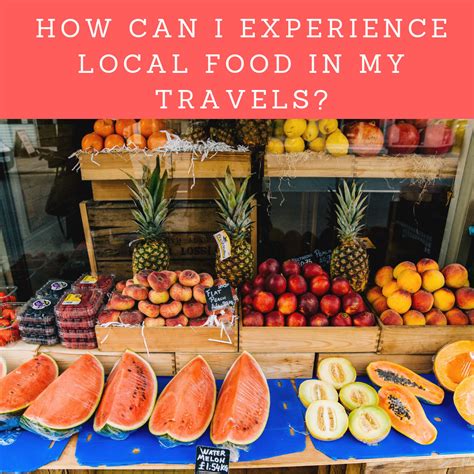





How do real foodies visually vet authentic local eats for adventures?

Embarking on a culinary adventure means more than just tasting new dishes; it’s about immersing yourself in the true flavors and culture of a place. For seasoned foodies, discerning authentic local eats from tourist traps often begins long before the first bite – it starts with keen visual observation. While taste is the ultimate arbiter, visual cues are powerful gatekeepers, guiding intrepid eaters towards the heart of a region’s gastronomy. So, how do the pros visually vet an establishment to ensure an authentic experience?
Spotting the Savvy Local Crowd
The most telling visual sign of an authentic eatery is often its clientele. Glance inside: is the place bustling with locals during peak hours? Look for families, groups of friends, and even solo diners who appear to be residents rather than tourists with guidebooks in hand. A restaurant packed with locals during lunch or dinner rush is a strong indicator that the food is not only good but also culturally significant and priced fairly for the local economy. Observe their interactions, their comfort, and their ease within the space – these are all subtle signs of a trusted local haunt.

Decoding Menu Aesthetics and Language
Next, turn your attention to the menu. Authentic local establishments often feature menus that are less flashy and more functional. Look for handwritten specials, simple laminated pages, or even just a chalkboard. A strong reliance on the local language, with minimal or poorly translated English, can be a positive sign. Beware of extensive picture menus with glossy, over-styled food shots, especially if they feature a vast array of international dishes – this often caters to a broader, less discerning tourist palate. A shorter, focused menu usually indicates a mastery of fewer, specific local dishes, a hallmark of authenticity.
The Charm of Simplicity: What to Look For
Beyond the language, consider the sheer volume of options. True local gems often specialize, offering a concise selection of dishes that they prepare exceptionally well. This focus implies fresh ingredients and time-tested recipes. Also, notice if the prices seem reasonable for the local context; extremely cheap prices can sometimes signal questionable quality, while overly inflated prices definitely target tourists.

Embracing the Unpretentious Ambiance
Authentic local eateries rarely prioritize elaborate decor. Instead, they often exude a comfortable, lived-in charm. Think worn tables, mismatched chairs, and decorations that speak to local culture rather than generic modern aesthetics. A place that looks slightly ramshackle or incredibly humble from the outside might just be serving up the most incredible food inside. The absence of polished, “instagrammable” interiors can be a green flag, suggesting that the focus is entirely on the food and the dining experience itself, not on creating a superficial facade for visitors.
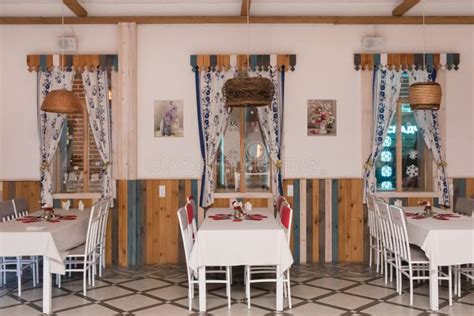
Observing the Food and Ingredients Up Close
If you can, peek at the food being served to others. Authentic local dishes often have a rustic, unpretentious presentation. They might not be artfully plated, but they should look fresh, vibrant, and hearty. Look for visible fresh ingredients, especially if there’s an open kitchen or a counter displaying produce. Does the food look homemade, rather than mass-produced? Are the portion sizes generous and reflective of local eating habits? These visual cues provide direct insight into the quality and preparation methods.

Beyond the Plate: Subtle Visual Cues
Beyond the obvious, several subtle visual cues can affirm a place’s authenticity. Are there local certifications, awards from regional culinary associations, or newspaper clippings prominently displayed? These indicate local recognition and pride. Observe the staff: do they seem comfortable, efficient, and genuinely connected to the establishment? Even simple things like the type of cutlery, napkins, or table water can hint at whether a place caters to locals or aims for a perceived “international” standard. A busy, slightly chaotic atmosphere can sometimes be a sign of a vibrant, well-loved local spot.

Conclusion: Trust Your Eyes, Then Your Taste Buds
For the true foodie explorer, visual vetting is an invaluable first step in discovering genuine local eats. By carefully observing the crowd, deciphering menu cues, appreciating unpretentious decor, and scrutinizing the food itself, you can significantly increase your chances of finding culinary gold. These visual clues act as a compass, guiding you away from tourist traps and towards establishments cherished by locals. Once your eyes have led you to a promising spot, it’s finally time to let your taste buds confirm the authenticity – and savor every moment of your delicious adventure.