



What visual plating tips ensure my dish matches your stunning recipe photos?
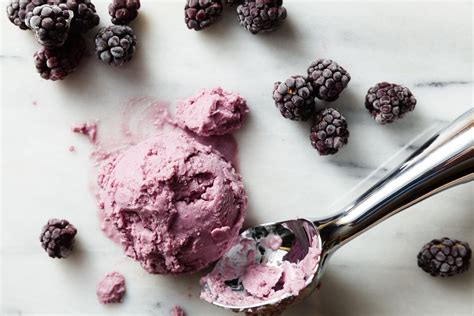
It’s a common kitchen conundrum: you follow a recipe to the letter, the flavors are incredible, but when you serve it up, it looks nothing like the glossy, mouth-watering photos in the cookbook or online. Don’t despair! Achieving that ‘photo-ready’ look isn’t magic; it’s a skill built on a few fundamental plating principles. With some intentional effort, your home-cooked dishes can look every bit as appealing as they taste.
The Foundation: Start with Quality Ingredients
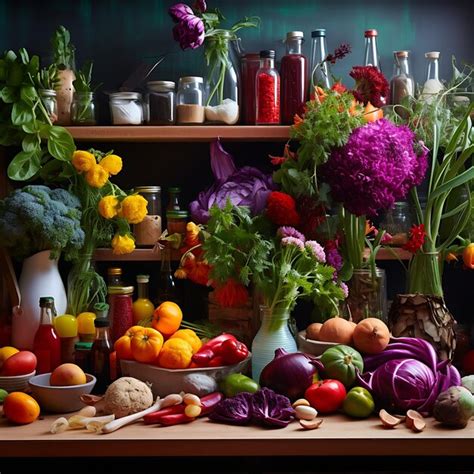
While plating can work wonders, it truly begins with the quality and freshness of your ingredients. Vibrant, fresh produce, perfectly cooked proteins, and intact components are inherently easier to arrange attractively. Bruised herbs, limp vegetables, or overcooked elements are much harder to make look appealing, regardless of your plating prowess. Invest in fresh, high-quality ingredients as your first step toward beautiful presentation.
Choose the Right Canvas: Your Plate
The plate itself is your canvas, and its choice can significantly impact the final presentation. Opt for plates that are simple and understated, typically white or neutral colors, as they allow the food’s colors to pop without distraction. Consider the size – a plate that’s too large can make a serving look sparse, while one that’s too small will look overcrowded. A general rule is to leave some negative space around the edges, letting the food breathe and be the star.
Mastering the Art of Arrangement
This is where the ‘visual’ part really comes in. Professional chefs often follow certain guidelines to create balanced and appealing arrangements:
- The Rule of Odds: When arranging smaller items (like scallops, cherry tomatoes, or asparagus spears), group them in odd numbers (3, 5, 7) for a more dynamic and natural look than even groupings.
- The Clock Method: Imagine your plate as a clock. Place your protein (the main component) between 3 and 9 o’clock, your starch (rice, pasta, potatoes) between 9 and 12 o’clock, and your vegetables between 12 and 3 o’clock. This creates a classic, balanced structure.
- Height and Texture: Adding varying heights and textures makes a dish more interesting. Don’t let everything lie flat. Stack elements (like sliced chicken or root vegetables), fan them out, or create small mounds. Contrast soft textures with crunchy ones for added appeal.

The Role of Color and Contrast
A visually stunning dish often boasts a variety of colors that complement or contrast each other. Think about how a vibrant red bell pepper contrasts with green broccoli, or how a sprinkle of fresh green herbs brightens up a rich brown stew. If your dish leans towards monochromatic, use garnishes or a colorful side element to introduce visual interest. A pop of color instantly elevates the dish’s appeal.
Sauces, Drizzles, and Garnishes: The Finishing Touches
These elements are like the jewelry for your dish – they add sparkle and polish.
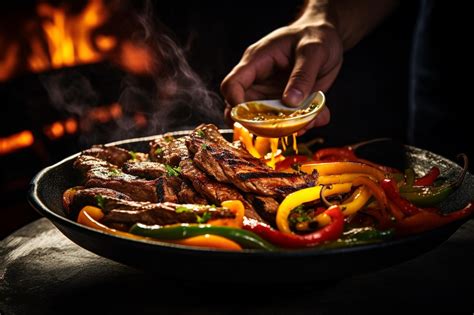
- Sauces: Instead of drowning your food, apply sauces with precision. Use a spoon to drizzle, create swirls, or place small dots strategically on the plate. A squeeze bottle can offer even greater control for intricate patterns.
- Fresh Herbs: A sprinkle of finely chopped parsley, cilantro, chives, or a few whole delicate sprigs can add incredible freshness, color, and aroma.
- Spices and Seeds: A dash of paprika, a sprinkle of toasted sesame seeds, or a few chili flakes can add a final visual and textural flourish.
- Edible Flowers: For a truly elegant touch, edible flowers can add beautiful color and sophistication.
Cleanliness and Presentation
Finally, inspect your plate before serving. Wipe away any drips, smudges, or fingerprints from the rim of the plate with a clean cloth or paper towel. A pristine plate framing your beautifully arranged food makes all the difference, conveying professionalism and care. Remember, less is often more – avoid overcrowding the plate, as this can make even the most delicious food look messy and unappetizing.

With these tips, you’re well on your way to transforming your home-cooked meals from delicious to dazzling. Like any skill, plating takes practice, so experiment with different arrangements, colors, and garnishes. Soon, your dishes won’t just taste like a chef’s creation, they’ll look like one too!