



What plating hacks instantly elevate a simple dish to foodie-level visual art?
Beyond Taste: The Art of Visual Culinary Presentation
While the taste of a dish is paramount, its visual appeal plays a crucial role in the overall dining experience. A beautifully plated meal stimulates the senses before the first bite, promising a delightful culinary journey. You don’t need a professional chef’s training to make your simple dishes look extraordinary. With a few strategic plating hacks, you can effortlessly transform everyday meals into stunning works of art that rival any high-end restaurant presentation.
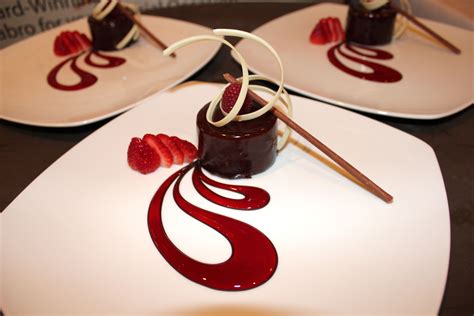
1. Embrace the Rule of Odds and Asymmetry
Forget perfect symmetry; professional plating often thrives on the rule of odds. Arrange components in odd numbers (e.g., three asparagus spears, five scallops) for a more dynamic and natural look. Placing items slightly off-center or in a triangular pattern rather than a straight line creates visual interest and leads the eye around the plate. Think balance, not mirroring, allowing the dish to feel organic and inviting.
2. Build Height and Dimension
Flat food looks dull. Adding height instantly elevates a dish, giving it a more substantial and luxurious feel. Use ingredients like mashed potatoes, rice, or polenta as a sturdy base to build upon, creating a subtle mound in the center of the plate. Lean vegetables, protein, or crispy elements against this base. Stacking components carefully creates layers and shadows, adding depth and making the dish more intriguing and visually appealing.
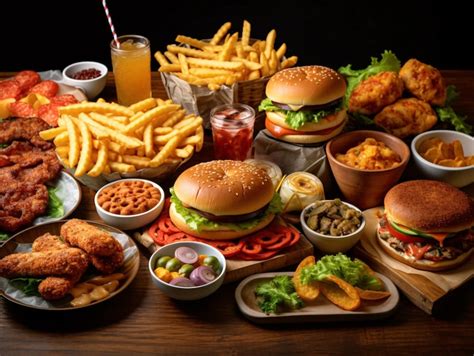
3. Play with Color Contrast and Fresh Garnishes
A vibrant palette is key to appealing food. Use ingredients with contrasting colors to make the plate pop. For instance, bright green herbs against a rich red sauce, or a golden-brown protein beside a medley of colorful roasted vegetables. Fresh garnishes are non-negotiable – a sprig of fresh herbs (parsley, cilantro, dill), a sprinkle of toasted nuts, a few edible flowers, or a vibrant citrus zest can add a burst of color, texture, and aroma that signals freshness and attention to detail, making the dish look more alive.
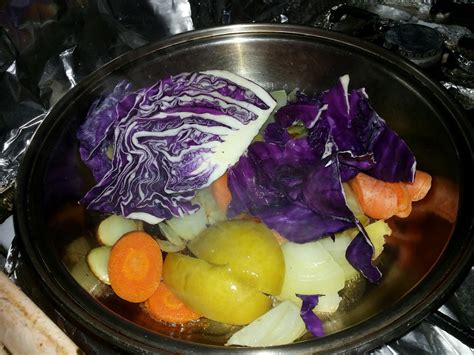
4. Master the Sauce Smear or Drizzle
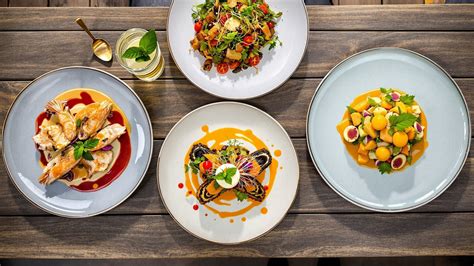
Sauces aren’t just for flavor; they’re an artistic medium that can define the plate’s character. Instead of drowning your dish, apply sauces strategically. A delicate drizzle in a zigzag pattern, a bold swipe across the plate with the back of a spoon, or small dots placed precisely around the main components can add sophistication and visual flow. Ensure the sauce isn’t too runny to maintain its shape and impact, creating an intentional, painterly effect.
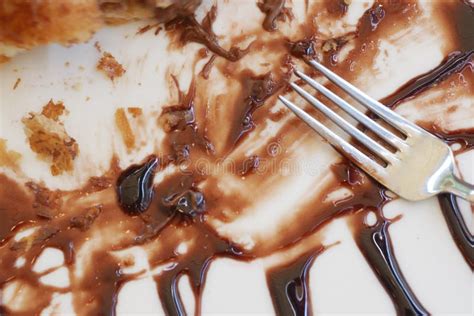
5. Utilize Negative Space and Thoughtful Plate Choice
Just as important as what’s on the plate is the space around it. Don’t overcrowd the plate. Leaving ample “negative space” allows each component to breathe and highlights the dish’s focal point, creating an elegant and refined presentation. Choose your plate wisely: white plates generally make colors stand out best, while larger plates offer more canvas for creative arrangement. Consider the shape – round, square, or even rectangular plates can influence your plating strategy and the overall aesthetic.
Conclusion: Practice Makes Perfect Plating
Elevating a simple dish to visual art is an accessible skill that significantly enhances the entire dining experience. By incorporating the rule of odds, building height, utilizing striking color and fresh garnishes, applying sauces artistically, and appreciating the power of negative space, you can transform your everyday cooking into Instagram-worthy culinary masterpieces. Don’t be afraid to experiment, have fun, and let your creativity shine through – your dinner guests (and your camera roll) will thank you for the beautiful culinary journey!