



Best plating tricks for making any dish look gourmet & camera-ready?

Why Plating Matters: More Than Just Food
They say we eat with our eyes first, and never has this been truer than in the age of Instagram and culinary television. Transforming a delicious meal into a visually stunning masterpiece can elevate the dining experience from good to unforgettable. Whether you’re aiming to impress dinner guests or capture that perfect food photo, mastering a few basic plating tricks can make all the difference. You don’t need a professional kitchen; just a little creativity and an understanding of key principles will turn your everyday dishes into gourmet spectacles.
The Foundation: Cleanliness and Simplicity
Before you even think about arranging food, ensure your canvas—the plate—is spotless. Wipe away any smudges, drips, or fingerprints from the rim of the plate. A clean plate signifies attention to detail and immediately elevates the perceived quality of the dish. Remember, less is often more. Avoid overcrowding your plate. Give each component space to breathe and allow the diner’s eye to focus on the main elements.
Resist the urge to pile everything high or fill every available space. Negative space (the empty areas on the plate) is just as important as the food itself; it provides balance and sophistication, allowing the individual components to stand out.
Mastering Composition: The Rule of Thirds & Clock Method
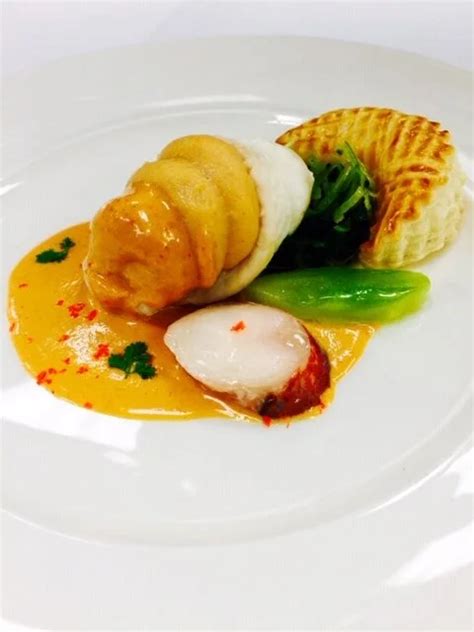
Think of your plate as a canvas and apply principles of art. The “Rule of Thirds,” commonly used in photography, suggests placing your main elements at the intersections of an imaginary grid, creating visual interest and balance. Alternatively, use the “Clock Method”: imagine your plate is a clock face.
Place your protein (e.g., meat, fish) between 3 and 9 o’clock, your starch (e.g., rice, potatoes) between 9 and 12 o’clock, and your vegetables between 12 and 3 o’clock. This classic arrangement creates a natural flow and ensures all elements are visible.
Adding Height and Dimension
Flat food can look uninspired. Introducing height adds dynamism and a professional touch. Stack ingredients strategically: think about layering a protein over a bed of purée or stacking vegetable components. You can use ring molds to create perfectly circular portions of grains, mashed potatoes, or even salads, then carefully build on top of them.
Even a simple garnish placed vertically can add a surprising amount of lift. Consider how you can use different shapes and forms to create an interesting silhouette for your dish.
Color and Texture: A Feast for the Eyes
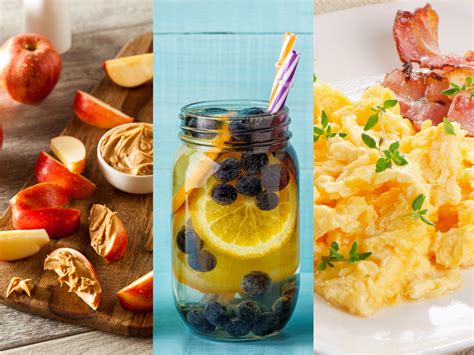
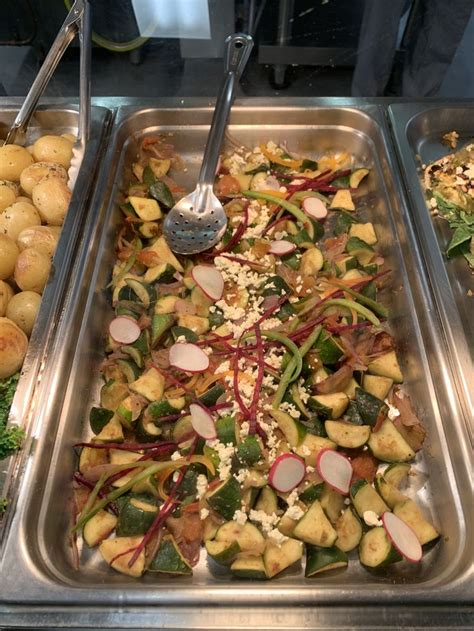
A visually appealing dish boasts a variety of colors and textures. Contrast is key. If your main protein is monochromatic, add vibrant garnishes like fresh herbs, colorful vegetables, or a brightly colored sauce. Think about the interplay between soft and crunchy, smooth and coarse, moist and dry elements on the plate. A creamy purée next to a crisp piece of fried food, or vibrant red tomatoes against a green pesto, makes the dish more inviting.
Don’t be afraid to experiment with different shades and hues to make your food pop. Natural colors from fresh produce are always the best!
The Art of Garnishing
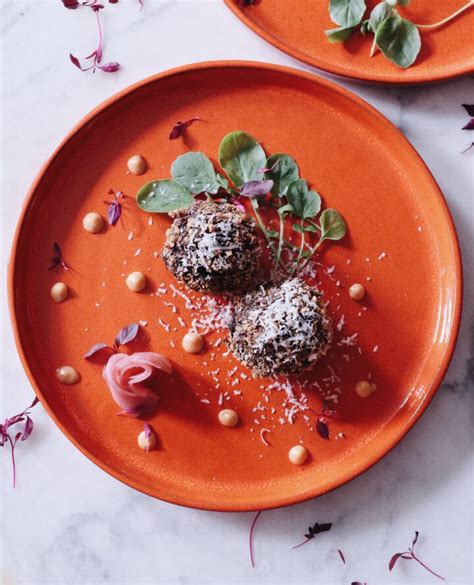
Garnishes are not just pretty additions; they should enhance the flavor and provide a final touch of elegance. Common garnishes include fresh herbs (chives, parsley, dill), microgreens, edible flowers, citrus zest, or a sprinkle of spices. Ensure your garnish is relevant to the dish’s flavor profile and adds to, rather than detracts from, the overall aesthetic.
Remember the ‘less is more’ rule here too. A single, perfectly placed sprig of rosemary is far more impactful than a messy pile of mixed herbs.
Saucing and Drizzling with Finesse
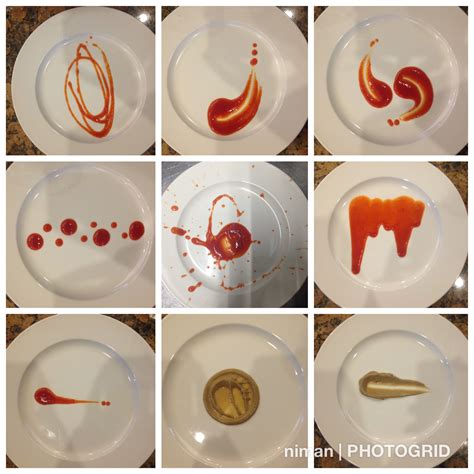
Sauces can be a powerful plating tool. Instead of simply ladling sauce over the entire dish, consider more artistic applications. Use a squeeze bottle to create elegant dots, swooshes, or intricate patterns on the plate. A spoon can also be used to create a ‘smear’ or ‘drag’ effect with a thick sauce, adding an artistic touch.
Ensure your sauce is of the right consistency—not too watery, not too thick—for optimal presentation. The goal is to complement the dish, not overwhelm it.
Final Touches for Camera-Readiness
Once plated, a few final checks ensure your dish is ready for its close-up. Ensure any herbs or garnishes are fresh and perky. Light plays a huge role in food photography; natural light is always best. Angle your plate to catch the light, highlighting textures and colors. A quick spritz of water can revive wilting greens or add a glistening effect to some ingredients, making them look extra fresh and appealing.
Transform Your Culinary Creations
Plating is an accessible art form that can dramatically enhance your cooking. By focusing on cleanliness, thoughtful composition, height, color, texture, purposeful garnishes, and elegant saucing, you can transform any homemade meal into a gourmet experience worthy of a five-star restaurant or a viral social media post. Practice these techniques, experiment with your own flair, and enjoy the visual feast you create!