




How to keep fresh herbs vibrant longer for visual appeal & flavor?
Fresh herbs are culinary magic, transforming ordinary dishes with bursts of color, aroma, and flavor. However, their delicate nature often means they wilt and lose their vibrancy quickly. Learning the right storage techniques not only extends their life but also ensures you get the most visual appeal and flavor out of every sprig. Say goodbye to soggy parsley and dull basil – it’s time to master the art of herb preservation.
Understanding Herb Types: Soft vs. Hard
Not all herbs are created equal, and their storage needs vary significantly. Generally, herbs fall into two categories:
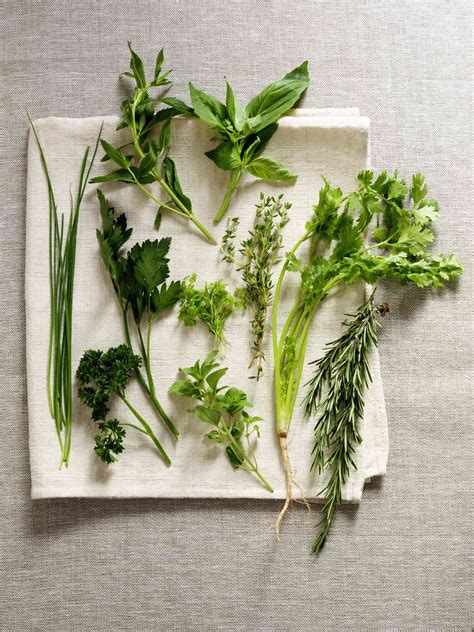
- Soft Herbs: These have tender stems and leaves, like basil, cilantro, parsley, mint, dill, and tarragon. They are prone to wilting and do best with moisture.
- Hard Herbs: Characterized by woody stems and sturdier leaves, such as rosemary, thyme, oregano, and sage. They tolerate drier conditions and can suffer from too much moisture.
The ‘Bouquet’ Method for Soft Herbs
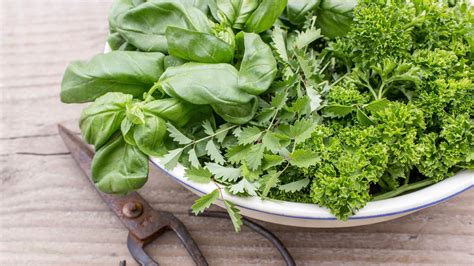
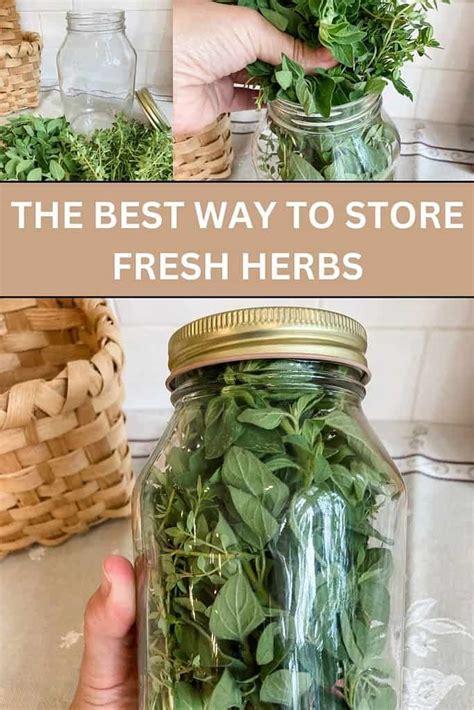
This method mimics how you’d treat a bouquet of flowers and is ideal for basil, cilantro, parsley, and mint. Trim about an inch off the bottom of the stems. Place the herb bunch, stems down, into a glass or jar filled with an inch or two of water. For most soft herbs, covering the leaves loosely with a plastic bag (like a produce bag) and refrigerating helps create a humid microclimate. Basil, however, prefers room temperature, so keep it on the counter away from direct sunlight.
Change the water every day or two to prevent bacterial growth. This method can keep soft herbs fresh and vibrant for up to a week, sometimes longer.
The ‘Burrito’ Method for Hard Herbs
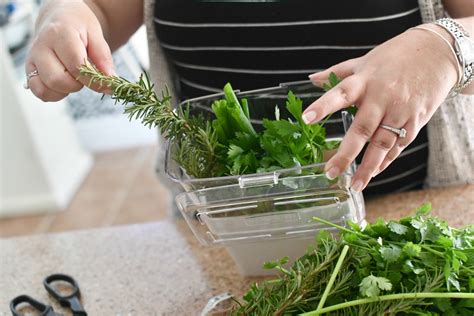
Hard herbs, with their woody stems, respond better to a different approach. First, lightly wash the herbs if necessary, then dry them thoroughly with paper towels or a salad spinner. Excess moisture is the enemy here. Once dry, wrap the herbs loosely in a slightly damp paper towel, then place the bundle inside a resealable plastic bag or an airtight container. Store this in the crisper drawer of your refrigerator.
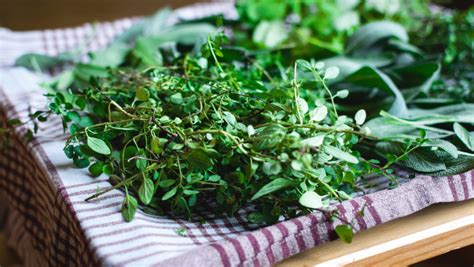
This ‘burrito’ method keeps hard herbs like rosemary, thyme, and oregano fresh for up to two weeks, preserving their robust flavor and preventing them from drying out or becoming slimy.
Beyond the Fridge: Freezing for Long-Term Flavor
When you have an abundance of herbs or want to store them for several months, freezing is an excellent option. For most herbs, you can finely chop them and pack them into ice cube trays. Cover with olive oil (for savory dishes) or water, then freeze until solid. Once frozen, pop the cubes out and transfer them to a freezer-safe bag or container.
These herb cubes are perfect for tossing directly into soups, stews, sauces, or sautés, adding a burst of fresh flavor even months later. Hardier herbs like rosemary and thyme can also be frozen whole on the stem.
Key Principles for Maximizing Herb Longevity
- Handle Gently: Treat herbs with care to avoid bruising, which accelerates spoilage.
- Avoid Washing Too Soon: Wash herbs just before use or, if storing using the ‘burrito’ method, ensure they are thoroughly dry after washing.
- Control Moisture: Too much moisture leads to mold and rot, while too little causes wilting. Find the right balance for each herb type.
- Monitor Temperature: Most herbs thrive in the refrigerator, but basil is an exception, preferring room temperature.
- Check Regularly: Inspect your stored herbs every few days. Remove any wilting or discolored leaves to prevent further spoilage.
Enhance Your Culinary Experience
By implementing these simple yet effective storage techniques, you’ll dramatically extend the life of your fresh herbs. This means less food waste, more vibrant ingredients for your cooking, and a constant supply of fresh flavors and visual appeal to elevate every meal. Experiment with the methods to find what works best for your specific herbs and kitchen environment, and enjoy the difference it makes in your daily culinary adventures.