



How to visually enhance simple, fresh ingredients for maximum foodie appeal?
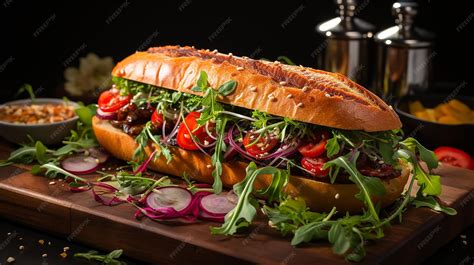
Turning simple, fresh ingredients into a feast for the eyes is an art form that transforms everyday meals into culinary masterpieces. You don’t need a professional chef’s toolkit; just a few thoughtful techniques can elevate your home cooking to restaurant-quality visual appeal, enticing even the pickiest eaters and making your dishes camera-ready for social media.
Embrace the Spectrum: The Power of Color
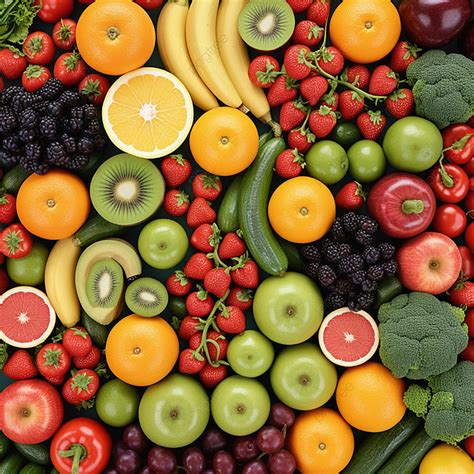
One of the most immediate ways to enhance the visual appeal of any dish is through color. Fresh ingredients naturally offer a vibrant palette, from the deep reds of tomatoes to the bright greens of herbs and the rich purples of berries. Don’t be afraid to mix and match. A monochromatic dish can be elegant, but a touch of contrasting color often adds excitement and freshness. Think about how a sprinkle of paprika brightens a potato dish, or how a handful of chopped chives makes a creamy soup pop.
To maximize color impact, ensure your ingredients are indeed fresh and vibrant. Wilting greens or dull vegetables will detract from the overall presentation. Blanching certain vegetables can also lock in their bright hues, making them more appealing.
Texture and Contrast: A Feast for the Senses
Beyond color, texture plays a crucial role in creating visual interest and promising a delightful eating experience. A plate that offers a variety of textures – crisp, creamy, crunchy, smooth – is far more appealing than one that is uniformly soft or hard. Consider adding something crunchy to a soft dish, like toasted nuts on a salad, croutons in soup, or crispy fried onions on a casserole. The contrast not only feels good in the mouth but also looks dynamic on the plate.
Visually, texture adds depth and dimension. Notice how grilled vegetables show char marks, or how a perfectly seared piece of fish has a golden crust. These visual cues suggest delicious textures to come. Don’t smooth everything out; let some natural textures shine through.
Thoughtful Plating Techniques: Arrange with Intention
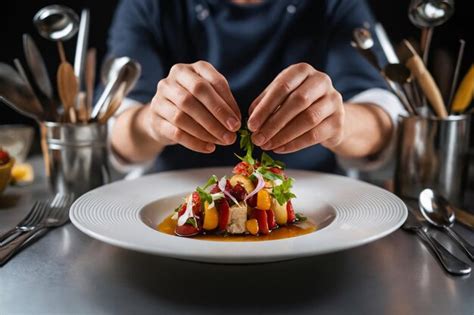
The way you arrange food on the plate can make all the difference. Instead of haphazardly piling ingredients, take a moment to compose your dish. Think about negative space; an uncluttered plate often looks more sophisticated. Start with your main component and then add supporting elements around it. Consider the “rule of odd numbers” for smaller items, arranging them in groups of three or five for a natural, balanced look.
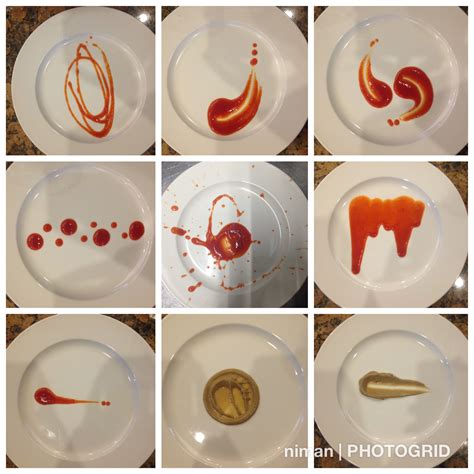
Utilize height where appropriate, but don’t overdo it. A slight elevation, perhaps by stacking a few elements, can add drama. Sauces can be drizzled artfully rather than poured carelessly. Use a squeeze bottle or spoon to create dots, swirls, or lines, adding a professional touch without much effort.
The Magic of Garnish: Freshness and Finesse
Garnishes are not just an afterthought; they are the final flourish that ties a dish together and screams “freshness.” A simple sprig of fresh herb – parsley, cilantro, dill, or basil – can instantly brighten a plate. A lemon or lime wedge not only adds a pop of color but also promises flavor. Toasted seeds, a sprinkle of flaky sea salt, or a drizzle of good olive oil can also serve as elegant garnishes that enhance both taste and sight.
When choosing a garnish, make sure it complements the flavors of the dish. Avoid garnishes that are purely decorative and don’t add to the eating experience. Less is often more; a single well-placed garnish is far more effective than an overcrowded plate.
Leveraging Natural Light for Appetizing Photos
In today’s social media age, how a dish looks in a photograph is almost as important as its real-life presentation. The secret to great food photos lies largely in good lighting. Natural, diffused light is your best friend. Avoid direct harsh sunlight or artificial overhead lights, which can create unflattering shadows and color casts. Position your dish near a window, ideally with the light coming from the side or slightly behind the dish.
A simple white or neutral background can help your food stand out. Don’t be afraid to play with angles, but generally, a slight overhead shot or a straight-on shot works well for most dishes. Remember, good lighting enhances the colors and textures you’ve already worked so hard to create.
Keep it Clean and Simple: Focus on the Ingredients
Ultimately, the goal is to enhance, not overshadow, the natural beauty of your fresh ingredients. Avoid overly complex presentations that detract from the food itself. A clean plate, minimal drips or smudges, and a clear focus on the main components are key. Simple elegance often speaks volumes more than excessive adornment.
By focusing on these fundamental principles – harnessing color, playing with texture, mindful plating, strategic garnishing, and smart lighting – you can transform even the most humble fresh ingredients into culinary works of art that are as delightful to behold as they are to eat.