



Maintain vibrant colors & crisp textures in plated recipes for stunning visual appeal?
The Art of Culinary Presentation: More Than Just Taste
In the world of cuisine, the dining experience extends far beyond just taste. The visual appeal of a dish plays a crucial role in whetting the appetite, setting expectations, and ultimately, enhancing satisfaction. Vibrant colors signal freshness and flavor, while crisp textures promise an exciting mouthfeel. Mastering the art of maintaining these qualities from kitchen to table is what transforms a good meal into an unforgettable culinary delight.

Mastering Color Preservation
Vibrant colors are often the first indicator of a dish’s freshness and nutritional value. Preserving them requires a keen understanding of ingredients and cooking methods.
Strategic Ingredient Selection and Preparation
Begin with the freshest, highest-quality produce available. Overripe or wilted ingredients have already lost much of their natural vibrancy. When preparing, minimize exposure to air and light, especially for delicate herbs and greens, by storing them properly until use.
Cooking Techniques for Vibrant Hues
- Blanching and Shocking: For green vegetables like broccoli, asparagus, or green beans, a quick blanch in boiling salted water followed by an immediate plunge into an ice bath sets their chlorophyll, locking in bright green color and tender-crisp texture.
- Steaming: Gentle steaming cooks vegetables without leaching out water-soluble pigments, helping them retain their color better than boiling.
- Quick Searing/Sautéing: High heat for a short duration can caramelize surfaces and cook interiors without dulling colors, particularly effective for root vegetables or bell peppers.
- Acidity: A touch of lemon juice or vinegar added near the end of cooking can brighten the colors of many vegetables and fruits.
Achieving and Maintaining Crisp Textures
The satisfying crunch of a perfectly cooked component adds an exciting dimension to any dish. Preventing sogginess and maintaining crispness is paramount.
Controlling Moisture During Cooking
Moisture is the enemy of crispiness. Always ensure ingredients are thoroughly dry before cooking, especially when frying or roasting. Patting vegetables dry with paper towels can make a significant difference. Avoid overcrowding your pan, as this lowers the temperature and steams the food instead of searing or frying it, leading to a softer texture.
Selecting the Right Cooking Methods
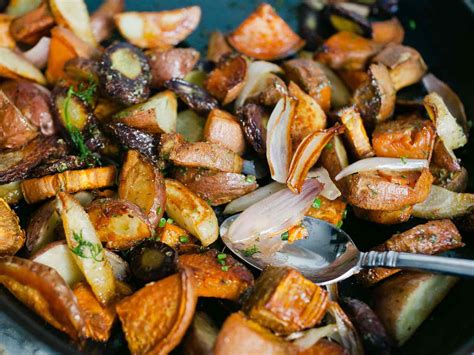
- Roasting: High-temperature roasting with proper spacing and a light coating of oil can yield beautifully caramelized and crisp exteriors on vegetables and meats.
- Frying: Proper oil temperature is crucial for frying. Too low, and food absorbs too much oil and becomes greasy; too high, and it burns before crisping. A light coating of batter or breading can also help achieve extra crispness.
- Pan-Searing: A hot pan and a small amount of fat create a delicious crust on proteins and certain vegetables, contributing to textural contrast.
Timing is Everything: From Pan to Plate
To preserve crisp textures, plate dishes immediately after cooking. Letting crispy elements sit for too long can expose them to residual heat and moisture, causing them to soften. For components like croutons or fried garnishes, add them at the very last moment before serving.
The Final Touch: Plating for Visual Brilliance
Once colors are vibrant and textures are crisp, thoughtful plating ties it all together for stunning visual appeal.
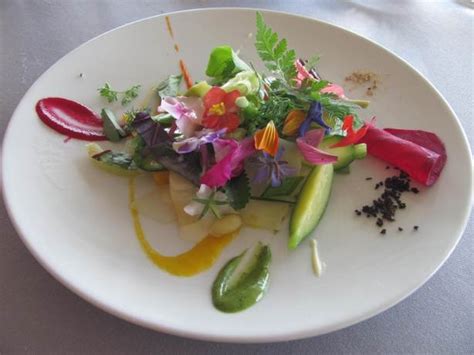
- Contrast: Create visual interest by contrasting colors, textures, and shapes on the plate. A vibrant green puree beside a golden-brown protein, topped with a crisp red garnish, exemplifies this.
- Height and Dimension: Build elements upwards to add dimension. Stack components artfully or use a lean against a purée to create height.
- Garnishes: Fresh herbs, edible flowers, or a drizzle of a brightly colored sauce can add that final pop of color and freshness without overwhelming the dish.
Common Pitfalls to Avoid
Even with the best intentions, mistakes can happen. Overcooking is the most common culprit for dull colors and mushy textures. Also, avoid covering hot, crispy items, as steam will condense and make them soggy. Always store prepped ingredients correctly to prevent premature wilting or browning.
Conclusion: Elevate Your Culinary Creations
Maintaining vibrant colors and crisp textures in your plated recipes is an essential skill for any home cook or professional chef aspiring to create truly stunning dishes. By paying close attention to ingredient quality, employing smart cooking techniques, and executing thoughtful plating, you can consistently deliver meals that not only taste incredible but also captivate the eyes, turning every plate into a work of art. Practice these techniques, experiment with different ingredients, and watch as your culinary creations transform from merely delicious to visually magnificent.