




How to prevent soggy roasted vegetables for that perfect crisp & vibrant plate?
The Quest for Perfectly Crispy Roasted Vegetables
There’s nothing quite like a plate of beautifully roasted vegetables: tender on the inside, wonderfully caramelized and crisp on the outside, bursting with vibrant flavor. Yet, many home cooks often face the disappointing reality of a soggy, steamed batch instead. The good news is, achieving that coveted crispness is entirely within reach with a few key techniques. Say goodbye to limp veggies and hello to your new favorite side dish!
The Foundation: Choosing and Prepping Your Veggies
Moisture is the arch-nemesis of crispiness. Before anything else, ensure your vegetables are as dry as possible. After washing, pat them thoroughly with a clean kitchen towel or paper towels. Even better, let them air dry for a bit if you have the time. Any excess water will steam your vegetables instead of roasting them.
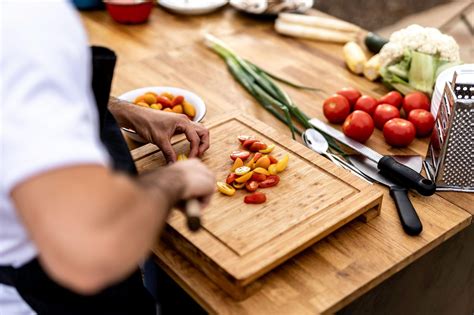
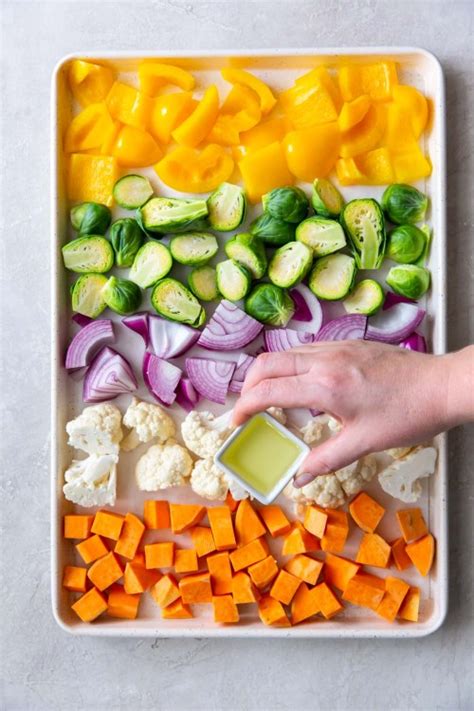
Next, consider your cut. Uniformity is key for even cooking. If you have a mix of large chunks and tiny pieces, the small ones will burn while the large ones remain undercooked. Aim for similar sizes for all vegetables in a batch. Harder vegetables like potatoes and carrots might need smaller cuts than softer ones like zucchini or bell peppers.
High Heat is Your Best Friend
For truly crispy results, your oven needs to be HOT. We’re talking 400°F (200°C) or even 425°F (220°C). This high temperature is crucial for encouraging browning and caramelization (the Maillard reaction) rather than just cooking the vegetables through. Always preheat your oven adequately, and if using a baking sheet, consider preheating it in the oven as well for an instant sear when the vegetables hit the hot surface.
Don’t Crowd the Pan!
This might be the single most important rule for preventing soggy vegetables. Overcrowding your baking sheet is a guaranteed path to steam. When vegetables are packed too closely, the moisture they release has nowhere to go but to steam the surrounding vegetables. Give your veggies space to breathe!
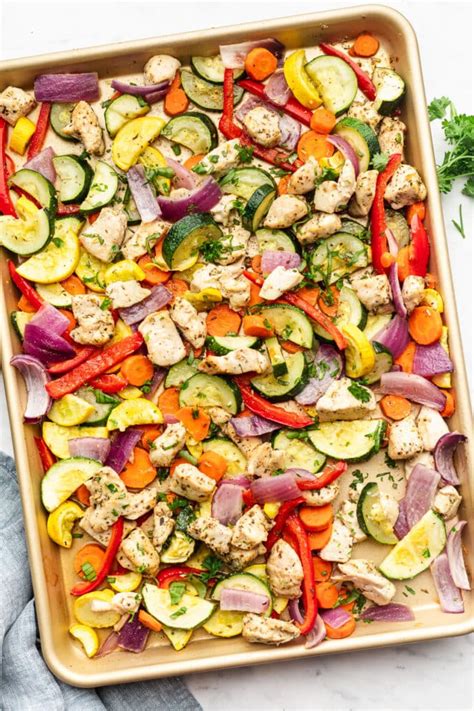
Spread them out in a single layer, ensuring there’s plenty of room around each piece. If you have a lot of vegetables, use two baking sheets or roast them in batches. This allows the hot air to circulate freely around each piece, promoting browning and evaporation of moisture.
The Right Fat and How to Use It
A good quality fat is essential for crispiness and flavor. Opt for oils with a high smoke point, such as olive oil, avocado oil, or grapeseed oil. Toss your dried vegetables with just enough oil to lightly coat them. Too much oil will make them greasy; too little will cause them to stick and not brown properly. A good rule of thumb is about 1-2 tablespoons of oil per pound of vegetables.
The Role of Your Baking Sheet
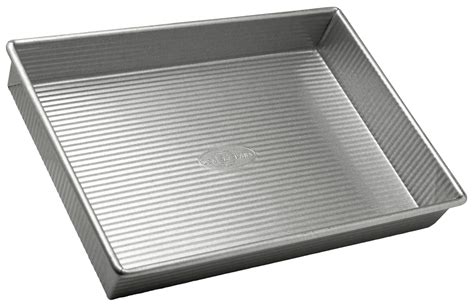
Forget the deep baking dishes for roasting; they trap steam. Opt for sturdy, light-colored metal baking sheets with a rim. Darker sheets can sometimes promote over-browning or burning before the veggies are fully cooked. Using parchment paper or a silicone baking mat can prevent sticking and make cleanup easier, but ensure they don’t hinder the direct contact with the hot metal too much, which is vital for crisping.
Timing Your Seasoning and Flipping
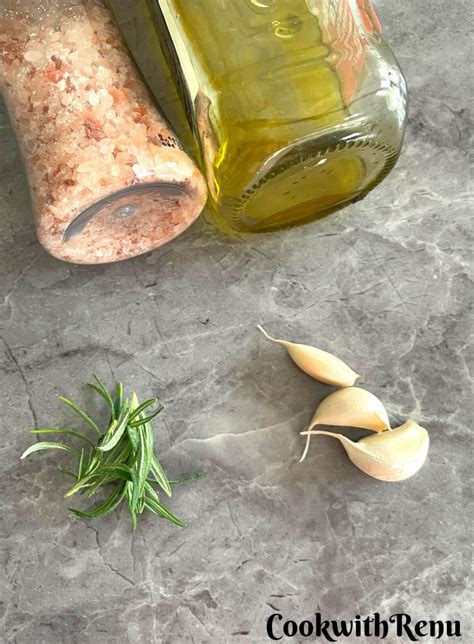
When to salt your vegetables can make a difference. Salting too early can draw out moisture, leading to sogginess. It’s often best to add most of your salt and other seasonings partway through the cooking process or even towards the end. Pepper, herbs, and other spices can be added at the start.
Midway through roasting, give your vegetables a good toss or flip them with a spatula. This ensures even browning on all sides and prevents any sticking. You’ll see those lovely caramelized bits forming!
Ventilation and Steam Management
Beyond not overcrowding, ensure your oven isn’t too humid. If you’re roasting very watery vegetables, you might even consider cracking the oven door slightly for the last few minutes of cooking to allow steam to escape, promoting a drier, crispier exterior. However, do this sparingly to avoid losing too much heat.
Conclusion: Your Crispy Veggie Blueprint
Achieving perfectly crisp and vibrant roasted vegetables is a culinary art that’s easy to master with these simple principles. Remember to dry your veggies thoroughly, cut them uniformly, roast at a high temperature, give them ample space on the pan, use the right amount of high smoke point oil, and time your seasoning. With these tips in your arsenal, you’ll be turning out show-stopping, crispy roasted delights every time, transforming your everyday meals into something truly special.