



Top visual tips for making your healthy homemade meals shine?

Why Visual Appeal Matters for Healthy Eating
Eating healthy doesn’t mean sacrificing enjoyment, and that includes visual pleasure. The way food looks profoundly impacts our perception of its taste and quality, even before the first bite. A beautifully presented healthy meal can stimulate appetite, make portion control feel more satisfying, and even encourage healthier choices by making wholesome ingredients look more appealing. Let’s explore some top visual tips to transform your homemade healthy dishes into culinary masterpieces.

Embrace the Rainbow: Color and Contrast
Play with a Spectrum of Hues
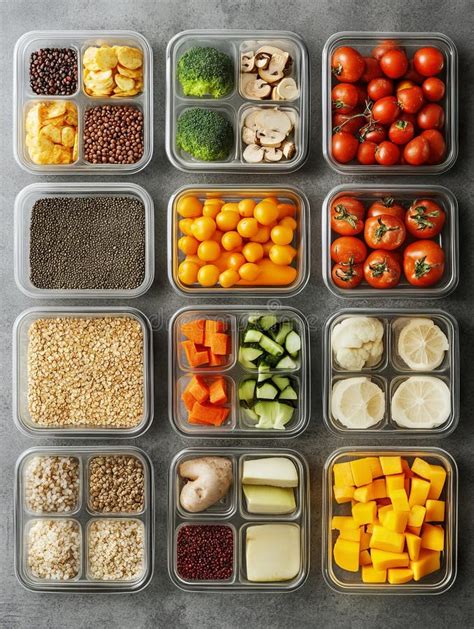
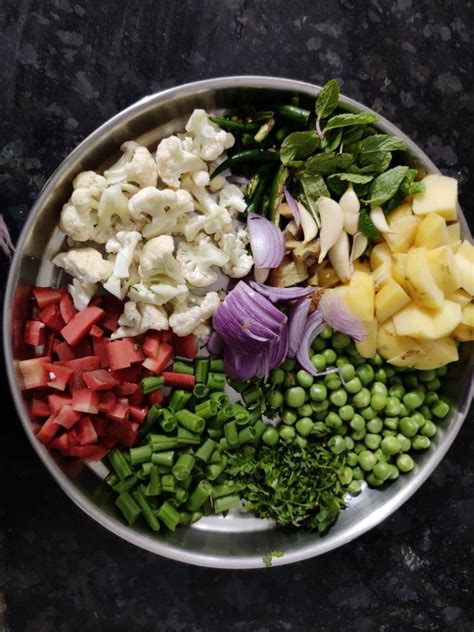
One of the easiest ways to make a healthy meal pop is by incorporating a variety of natural colors. Think beyond just green; add vibrant reds from bell peppers or tomatoes, bright oranges from carrots or sweet potatoes, deep purples from red cabbage or berries, and sunny yellows from corn or lemons. A colorful plate not only looks enticing but also ensures you’re getting a broad spectrum of nutrients from different fruits and vegetables.
Contrast Textures for Interest
Beyond color, varying textures adds an exciting dimension to your dish. Combine crisp elements like fresh greens or toasted nuts with creamy components like avocado or hummus, and tender cooked proteins or grains. This interplay of textures creates a more engaging eating experience and makes healthy ingredients feel more gourmet.
Masterful Plating Techniques
The Art of Arrangement and Negative Space
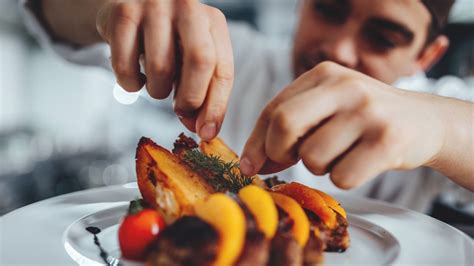
How you arrange food on the plate is crucial. Avoid simply piling everything up. Instead, think of your plate as a canvas. Create distinct zones for different components, allowing a little ‘negative space’ – empty areas on the plate – around each item. This gives the dish a clean, refined look. Consider a central focal point, or arrange ingredients in a gentle arc or line. Odd numbers of items often look more appealing than even.
Choose the Right Dishware and Portions
The plate itself plays a supporting role. White or light-colored plates often make food colors stand out more vibrantly. For smaller, richer portions, consider using smaller plates or bowls to make the meal feel more substantial. Conversely, for large salads, a wider, shallow bowl can showcase the ingredients beautifully without looking overwhelming.
Garnishes: The Finishing Touch
Fresh Herbs and Spices
A simple sprinkle of fresh herbs can elevate any dish. Parsley, cilantro, basil, mint, or chives add not only a burst of color but also fresh aroma and flavor. A light dusting of paprika or a swirl of a contrasting sauce (like a balsamic glaze or a yogurt drizzle) can also create visual interest and professional flair.

Add Zest and Crunch
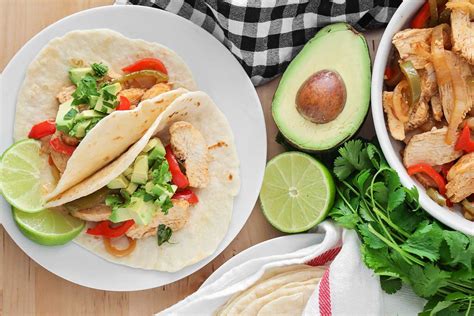
Tiny additions can make a huge impact. A sprinkle of citrus zest (lemon, lime, or orange) adds a bright pop of color and an invigorating fragrance. Toasted seeds (sesame, pumpkin, sunflower) or finely chopped nuts offer a delightful crunch and visual texture. Even a few edible flowers can transform a simple dish into something extraordinary.
Conclusion: Eat with Your Eyes First
Making your healthy homemade meals shine visually isn’t about being a gourmet chef; it’s about paying attention to simple details. By focusing on color, texture, thoughtful plating, and elegant garnishes, you can transform everyday healthy dishes into appealing feasts for the eyes. These small efforts not only make your food look better but can also enhance your overall enjoyment and appreciation for the nutritious meals you prepare.