



Recipe visual appeal: How to ensure fresh ingredients retain vibrant color & texture on plate?
In the culinary world, we often eat first with our eyes. The visual appeal of a dish can significantly enhance the dining experience, making food not just sustenance, but an art form. Fresh ingredients, with their natural brilliance, offer the best starting point. However, retaining their vibrant colors and appealing textures from kitchen to plate is a skill that requires understanding a few key principles and techniques.
The Importance of Visual Appeal in Cooking
A dish that looks good is more appetizing, even before the first bite. Vibrant colors signal freshness, nutritional value, and careful preparation. Crisp textures promise a delightful mouthfeel. Conversely, dull, discolored, or mushy ingredients can detract from an otherwise delicious meal. Mastering visual appeal elevates home cooking to a new level, impressing guests and satisfying personal culinary aspirations.
Understanding Color and Texture Loss
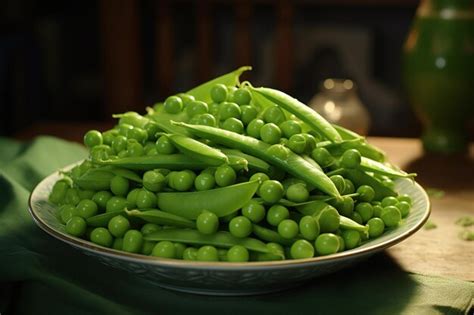
Several factors contribute to the degradation of color and texture in fresh ingredients. Heat, light, and oxidation are primary culprits. Chlorophyll, the pigment in green vegetables, is particularly susceptible to heat, turning drab olive-green when overcooked. Carotenoids (yellow, orange, red) and anthocyanins (red, purple, blue) are more stable but can still fade or leach out. Overcooking also breaks down cell walls, leading to a mushy texture.
Pre-Cooking Preparation: The Foundation for Freshness
Proper Washing and Trimming
Start with impeccably fresh ingredients. Wash them gently to remove dirt without bruising. Trim only what’s necessary; excess cutting can expose more surface area to oxidation.
Blanching: A Quick Color Fix
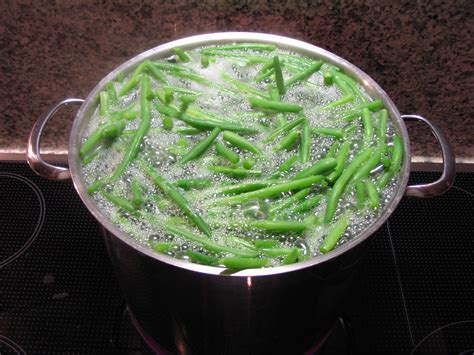
For many green vegetables like broccoli, green beans, or asparagus, blanching is a game-changer. This involves a brief dip in boiling salted water, followed immediately by an ice bath. The hot water brightens the color and partially cooks the vegetable, while the cold water stops the cooking process, preserving the vibrant hue and crisp-tender texture. Remember to blanch in small batches to maintain water temperature.
Cooking Techniques for Maximum Vibrancy
Quick Cooking Methods
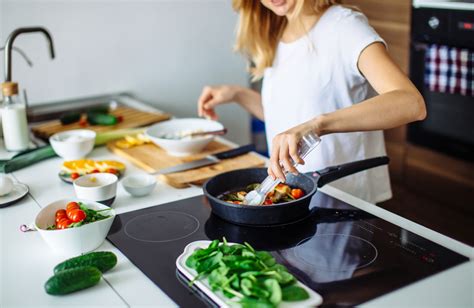
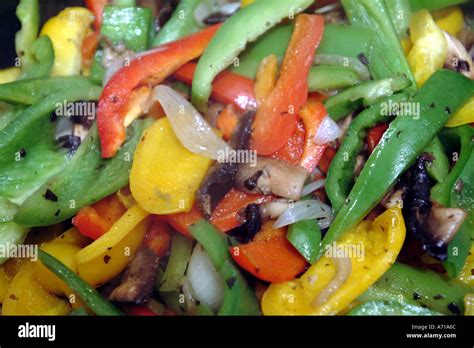
Minimize exposure to heat. Stir-frying, sautéing, grilling, and roasting at high temperatures for short periods are excellent methods for retaining color and texture. For instance, a quick stir-fry keeps vegetables crisp and bright.
Steaming and Microwaving
These methods use less water and heat compared to boiling, helping to lock in nutrients, color, and texture. Steam vegetables until just tender-crisp.
Avoid Overcrowding
When sautéing or stir-frying, cook ingredients in batches. Overcrowding a pan lowers the temperature, leading to steaming instead of searing, which results in duller colors and softer textures.
Post-Cooking and Plating Strategies
Immediate Serving
The longer food sits, the more it degrades. Serve dishes promptly after cooking to ensure peak color and texture.
Gentle Handling
When plating, handle ingredients gently to avoid crushing or smearing. A pristine presentation starts with careful placement.
Strategic Garnishing
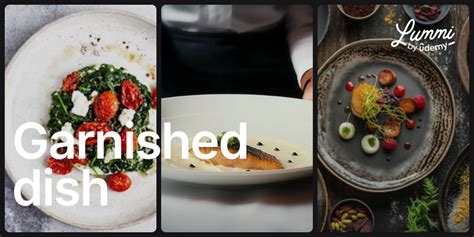
Fresh herbs, a sprinkle of zest, or a drizzle of brightly colored oil (like a vibrant green basil oil) can add a final pop of color and freshness just before serving. Consider garnishes that complement both the flavor and visual palette of the dish.
Specific Ingredient Tips
- Green Leafy Vegetables: Cook quickly, dress just before serving, and avoid acidic ingredients until the last minute, as acid can dull chlorophyll.
- Root Vegetables (Carrots, Beets): Roast or sauté to intensify their natural sweetness and vibrant hues. Beets, especially, can bleed color, so cook them separately if their color isn’t meant to merge.
- Bell Peppers & Tomatoes: High heat for short periods can bring out their rich reds and yellows without turning them mushy.
- Fruits: Many fruits oxidize quickly (e.g., apples, avocados). A splash of lemon or lime juice can prevent browning.
Common Mistakes to Avoid
- Overcooking: The most common culprit for dull colors and mushy textures.
- Reheating: Repeated heating and cooling cycles can significantly degrade visual appeal. Aim to cook fresh.
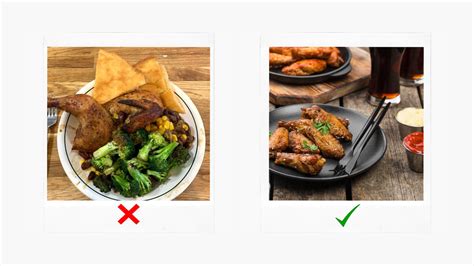
- Dull Plating: Even the most vibrant ingredients can look unappetizing if haphazardly piled onto a plate. Consider contrast, height, and clean lines.
Conclusion
Ensuring fresh ingredients retain their vibrant color and texture on the plate is a testament to mindful cooking. By understanding the ‘why’ behind ingredient degradation and employing smart preparation, cooking, and plating techniques, you can consistently create dishes that are as visually stunning as they are delicious. Embrace these practices, and watch your culinary creations come to life with captivating appeal.