




Visual tricks for keeping fresh produce vibrant & photo-ready longer?
The Foundation: Initial Care for Lasting Freshness
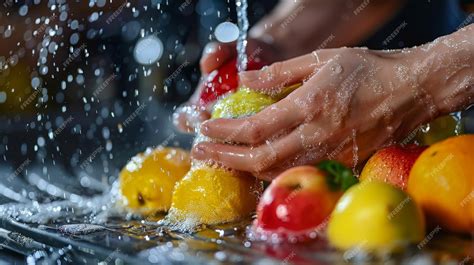
The journey to long-lasting, photo-ready produce begins even before storage. Proper initial handling is crucial for maintaining its visual appeal and structural integrity. Upon bringing your bounty home, resist the urge to wash everything immediately unless you plan to use it right away. Excess moisture is the enemy of freshness, encouraging spoilage and wilting.
For most produce, especially berries and leafy greens, a gentle rinse right before consumption or cooking is best. If you must wash items for immediate use or light prep, ensure they are thoroughly dried. A salad spinner is an invaluable tool for greens, while delicate fruits can be patted dry with a soft cloth or paper towel. This simple step prevents mold and keeps textures crisp.
Smart Storage Solutions for Sustained Vibrancy
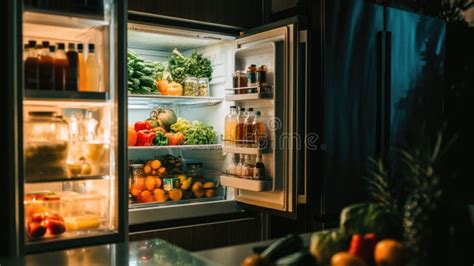
How and where you store your produce dramatically impacts its longevity and appearance. Different items have unique needs, and understanding these can make all the difference:
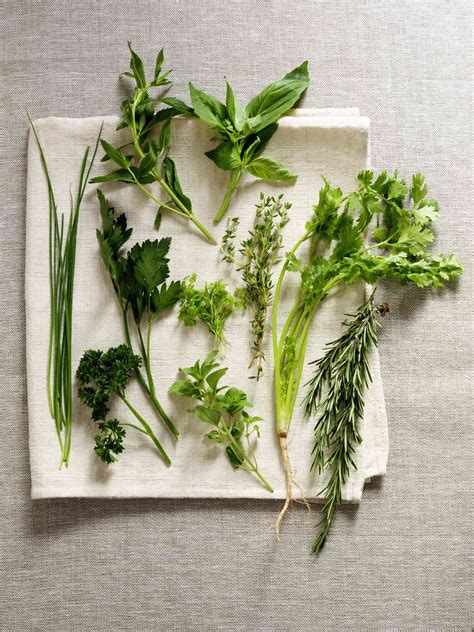
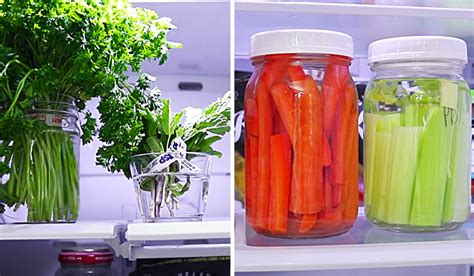
- Leafy Greens & Herbs: Wash, dry thoroughly, and wrap in a damp paper towel before placing in an airtight container or a resealable bag in the crisper drawer. For herbs like parsley or cilantro, trim the stems and place them upright in a glass of water, covering loosely with a plastic bag, then refrigerate.
- Berries: Avoid washing until ready to eat. Store them in their original container or a breathable container lined with a paper towel in the fridge. Consider a vinegar wash (1 part vinegar to 3 parts water) for berries right before storage, followed by a thorough rinse and drying, to inhibit mold growth.
- Root Vegetables: Store carrots, radishes, and beets (without their greens, which draw moisture) in an airtight container with a damp cloth in the crisper drawer.
- Cut Produce: Once cut, produce starts to degrade quickly. Store cut vegetables and fruits in airtight containers, sometimes submerged in a little water (like carrot sticks or celery) to maintain hydration and crispness.
Ethylene: The Ripening Rogue
Ethylene gas is a natural plant hormone that accelerates ripening and spoilage in many fruits and vegetables. Some produce items are high ethylene producers, while others are highly sensitive to it. To prevent premature spoilage and maintain vibrancy, separate these items:
- High Ethylene Producers: Apples, avocados, bananas, melons, peaches, pears, tomatoes. Store these away from ethylene-sensitive items.
- Ethylene-Sensitive: Broccoli, cabbage, carrots, cucumbers, leafy greens, potatoes.
Keeping these groups apart will significantly extend the life and visual appeal of your sensitive produce.
The Magic of Water: Rehydrating & Refreshing
Sometimes, despite your best efforts, produce can start to look a little sad. A simple ice-water bath can work wonders for wilted greens, celery, carrots, and even radishes. Submerge the produce in a bowl of ice water for 15-30 minutes. The cold water rehydrates the cells, bringing back their crispness and vibrant color. This trick is especially effective just before a photo shoot to ensure everything looks perfectly perky.

Pre-Shoot Prep: The Final Polish
When preparing produce for a photograph, a few last-minute visual tricks can elevate its appeal:
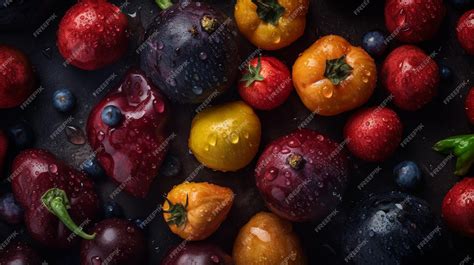
- Light Misting: A fine mist of water can create appealing droplets on fruits and vegetables, making them appear freshly picked and incredibly appealing. Use a clean spray bottle with distilled water.
- Chill Until Ready: Keep your produce chilled in the refrigerator until the last possible moment to prevent wilting under studio lights or warm ambient temperatures.
- Strategic Trimming: Remove any unsightly bits, brown spots, or dried-out ends. A clean cut on a stem or leaf can make a big difference.
Beyond the Basics: Other Pro Tips
Consider buying smaller quantities more frequently to reduce the time produce spends in storage. Rotate your stock, ensuring older items are used first. For longer-term solutions, blanching and freezing can preserve color and nutrients for future use, although this is more for culinary purposes than immediate photo readiness.
By implementing these visual tricks and storage strategies, you’ll not only reduce food waste but also ensure your kitchen always boasts a bounty of vibrant, healthy, and perfectly photo-ready produce.