




What visual cues help foodies find authentic local dining gems, not tourist traps?

Finding an authentic local eatery is often the holy grail for any culinary explorer. While guidebooks and online reviews offer a starting point, experienced foodies develop a keen eye for visual cues that distinguish genuine local haunts from cleverly disguised tourist traps. These subtle hints are often the most reliable indicators of a truly immersive gastronomic experience.
The Language of Local Patrons
Perhaps the most telling visual cue is the composition of the crowd inside. A restaurant bustling with locals – families, older residents, groups speaking the native tongue – is a strong indicator of authenticity. Tourist traps, conversely, often feature a high proportion of foreign visitors, sometimes identifiable by their guidebooks, cameras, or language. Look for diners who appear comfortable and familiar with the surroundings, perhaps even exchanging banter with the staff. Their presence validates the food’s quality and its cultural relevance.

Signage and Exterior Clues
Authentic local gems rarely boast flashy, multi-lingual signs or aggressive street hawkers. Instead, their exteriors often exude an understated, sometimes even weathered, charm. Look for handwritten signs, menus exclusively in the local language (perhaps with a few English translations discreetly available inside), or a lack of elaborate marketing. A queue of locals waiting patiently outside, even if the exterior seems unassuming, is a golden sign. Avoid places with overly generic “Welcome” mats or signs advertising “authentic food” in multiple languages prominently displayed.
Menu Aesthetics and Language
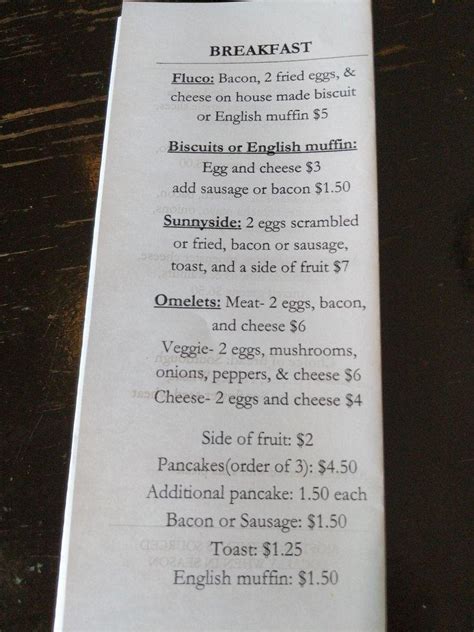
The menu itself offers a wealth of visual information. Authentic local restaurants often have simpler, less polished menus, sometimes even handwritten or printed daily to reflect available fresh ingredients. A menu brimming with local specialties and dishes specific to the region, perhaps without extensive descriptions or glossy photos, suggests a focus on the food itself rather than mass appeal. If you spot a menu featuring dishes like “Spaghetti Bolognese” in Italy or “Fish and Chips” in a non-English speaking country where they aren’t traditional staples, it might be a red flag. Similarly, extremely high prices for basic dishes in a non-upscale setting are suspicious.
Interior Decor and Atmosphere
Step inside and take a visual inventory. Authentic local establishments often reflect the local culture and history in their decor, perhaps with traditional artwork, furniture, or a more lived-in feel. There’s a certain “vibe” that feels genuinely local, not manufactured. Tourist traps, on the other hand, might feature overly generic decor, attempting to appeal to a broad, international audience, or exaggerated stereotypes of the local culture. Pay attention to table settings – simple, functional cutlery and dishes are often a good sign, whereas overly fancy or overly themed setups can suggest a tourist-centric approach. A bustling, somewhat noisy atmosphere with animated conversation in the local tongue is usually a positive sign.
Kitchen Visibility and Hygiene
While not always possible, a glimpse into the kitchen can be incredibly revealing. An open kitchen, or one visible from the dining area, that appears clean, organized, and busy with diligent staff, inspires confidence. Even if the kitchen isn’t visible, observe the general cleanliness of the dining area, restrooms, and how the staff handles food. A place that prioritizes hygiene, even if modest, is generally a good indicator of overall quality and care. A clean environment, even in a humble setting, speaks volumes about the establishment’s standards.

Finding authentic local dining gems is an art honed through observation and experience. By paying close attention to these visual cues – from the clientele and exterior appearance to the menu’s design and the interior’s atmosphere – foodies can significantly increase their chances of discovering truly memorable culinary adventures, far from the clutches of uninspired tourist traps. It’s about looking beyond the flashy facade and trusting your instincts for genuine local flavor.