



What plating techniques elevate simple recipes for stunning food photography?
The Art of Visual Gastronomy: Plating for the Lens
In the age of social media, a delicious meal often isn’t complete until it’s been beautifully photographed. But how do you make a humble bowl of pasta or a simple salad look like it belongs on the cover of a culinary magazine? The secret lies in plating. Even the most basic recipes can be elevated into visual feasts with a few strategic techniques, transforming everyday dishes into stunning subjects for your camera.
Mastering Essential Plating Principles
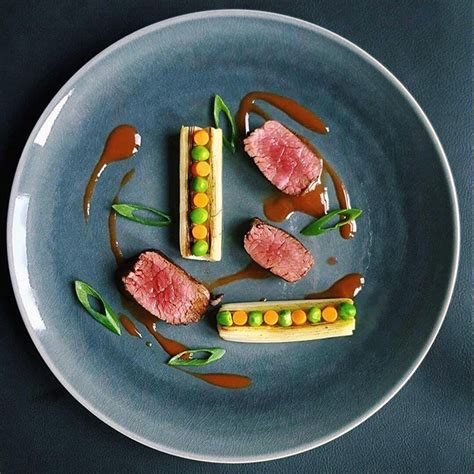
Before diving into specific tricks, understanding core plating principles is crucial. These are the building blocks that photographers and chefs use to create balance, harmony, and visual interest.
Color Contrast and Harmony
Think about the colors on your plate. A monochromatic dish can look flat. Introduce contrasting colors (e.g., bright green herbs on a cream sauce, vibrant red tomatoes with a white cheese) or work with a harmonious palette that appeals to the eye. Freshness often translates to vibrant colors, so prioritize ingredients that pop.
Texture Play
Varying textures adds dynamic interest. A creamy soup benefits from a sprinkle of crispy croutons or a swirl of contrasting liquid. A smooth purée can be topped with something crunchy like toasted nuts or seeds. Highlighting these different textures creates depth and a more engaging photograph.
Height and Dimension
Flat food rarely makes for exciting photos. Create height by layering ingredients, stacking components, or leaning elements against each other. Think about building upwards to add a three-dimensional quality to your dish. Even a simple sandwich can be elevated by carefully stacking its components.

The Power of Negative Space
Don’t overcrowd the plate. Negative space (the empty areas on the plate) is just as important as the food itself. It allows the eye to rest and helps to highlight the main subject. Choose an appropriately sized plate and arrange food towards the center or in a specific area, leaving breathing room around it.
Rule of Odds and Flow
Arranging elements in odd numbers (e.g., three asparagus spears instead of two) often looks more natural and aesthetically pleasing. Consider the ‘flow’ of the dish – guide the viewer’s eye across the plate, perhaps with a deliberate drizzle of sauce or a line of garnishes.
Practical Techniques to Elevate Simple Recipes
Now, let’s apply these principles to transform your everyday meals.
Thoughtful Garnishes
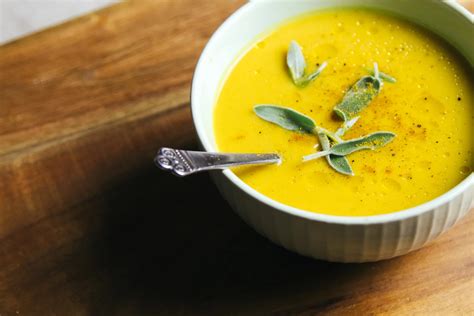
Garnishes are your best friends. A sprinkle of fresh herbs (parsley, cilantro, dill), a dusting of paprika, a few microgreens, a twist of citrus zest, or some toasted sesame seeds can dramatically enhance a dish’s appearance. Choose garnishes that complement the flavor profile while adding visual appeal.
Sauces and Swipes
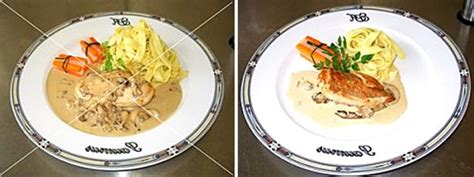
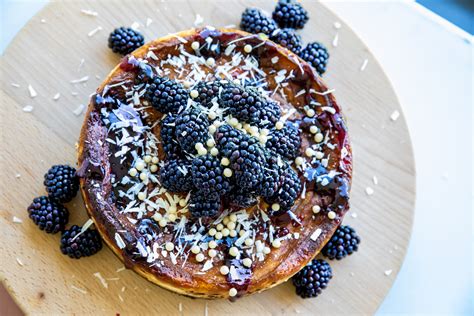
A well-placed sauce can be a game-changer. Use a squeeze bottle or the back of a spoon to create artistic swirls, dots, or a purposeful swipe across the plate. Think about contrasting colors – a bright red tomato sauce streak on a creamy pasta, or a dark balsamic glaze on a pale risotto.
Selective Cropping and Layering
Instead of spreading everything out, focus on showcasing key ingredients. For a simple salad, arrange a few hero ingredients (like grilled chicken slices or avocado) prominently. For a rice bowl, layer ingredients to create visual segments.
Choosing the Right Plateware
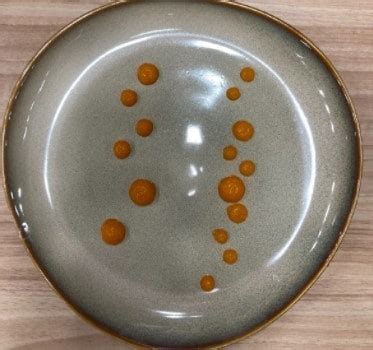
The plate itself is part of the composition. Simple, neutral-colored plates (white, grey, black) often allow the food to stand out. Consider the shape – round plates are classic, but square or rectangular plates can offer modern aesthetics. Don’t be afraid to use rustic bowls for hearty dishes or elegant flat plates for refined presentations.
Applying Techniques to Common Simple Dishes
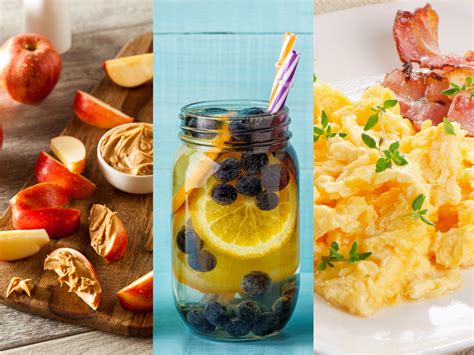
- Scrambled Eggs: Plate in a small, neat mound, sprinkle with fresh chives, add a dollop of crème fraîche or a slice of avocado, and place a perfectly toasted baguette slice leaning alongside.
- Simple Pasta Dish: Use tongs to twirl pasta into a neat nest in the center of the plate. Top with grated cheese, a few whole basil leaves, and a drizzle of vibrant olive oil or a contrasting sauce swipe.
- Lentil Soup: Pour into a wide, shallow bowl, leaving ample negative space. Create a swirl of coconut cream or crème fraîche on top, and garnish with a sprinkle of smoked paprika and a sprig of fresh cilantro.
Conclusion
Transforming simple recipes into stunning food photography subjects is an attainable skill that combines culinary know-how with an artistic eye. By consciously applying principles of color, texture, height, and space, and utilizing thoughtful garnishes and plateware, you can elevate even the most basic dish. Practice these techniques regularly, experiment with different arrangements, and soon you’ll be capturing mouth-watering images that do justice to your delicious creations.