




How to master recipe execution for stunning, photogenic dishes every time?
In the age of social media, cooking isn’t just about taste; it’s also about presentation. Crafting a dish that not only delights the palate but also captivates the eye requires more than just a good recipe – it demands masterful execution. Whether you’re an aspiring food blogger or simply want to impress guests, elevating your cooking to a photogenic level is an achievable skill. Let’s delve into the techniques that will help you achieve stunning, picture-perfect dishes every time.
The Foundation: Meticulous Preparation
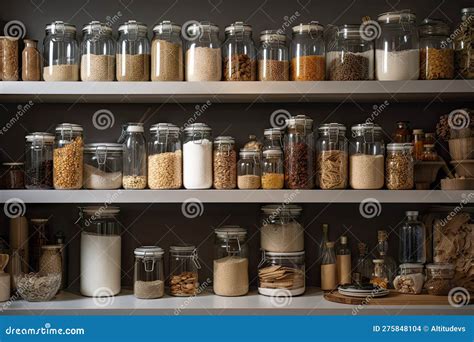
Flawless execution begins long before the heat hits the pan. A well-organized kitchen and a clear understanding of your recipe are paramount.
- Read the Recipe Thoroughly: Before you even gather ingredients, read the recipe from start to finish, not once, but twice. Understand the sequence, timing, and any specific techniques required.
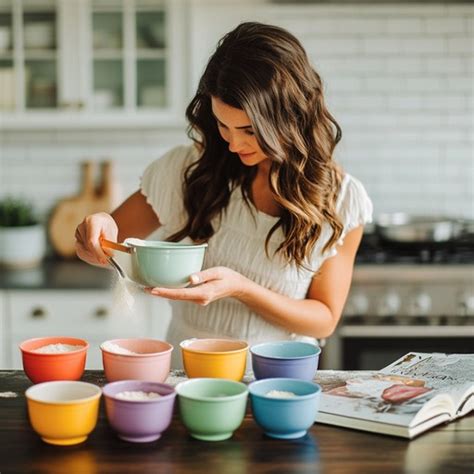
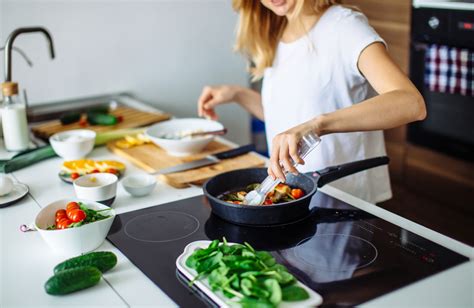
- Master Mis en Place: This French culinary term means “everything in its place.” Measure, chop, and prepare all your ingredients before you start cooking. This eliminates last-minute rushes and ensures you can focus on the cooking process itself.
- Quality Ingredients Matter: Start with fresh, high-quality ingredients. They not only taste better but also often look more vibrant and appealing. Bruised vegetables or tired herbs will never photograph well.
Precision in Technique and Timing
Cooking is a science as much as it is an art. Precision in your techniques and adherence to timing are crucial for desired textures, colors, and overall visual appeal.
- Accurate Measurements: Use proper measuring tools. Even slight deviations can alter consistency, cooking time, and the final appearance of a dish.
- Temperature Control: Understand and maintain the correct cooking temperatures. Overcooked or undercooked food rarely looks appealing. For instance, perfectly seared meat has a beautiful crust and juicy interior, while overcooked meat looks dry and gray.
- Don’t Rush the Process: Allow ingredients to cook at their own pace. Browning and caramelization take time but create rich colors and complex flavors that are visually appealing.
The Art of Plating and Presentation
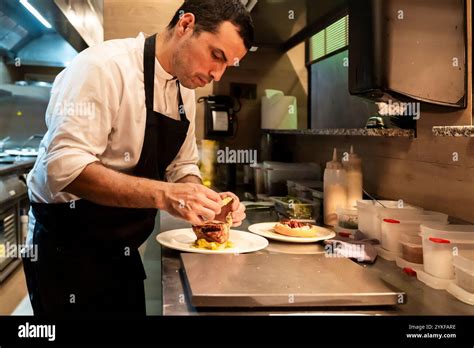
Once cooked, the next step is transforming your food into a work of art on the plate. Plating is where your dish truly comes to life for the camera.
- Clean Canvas: Start with a clean, attractive plate. Wipe away any drips or smudges before serving.
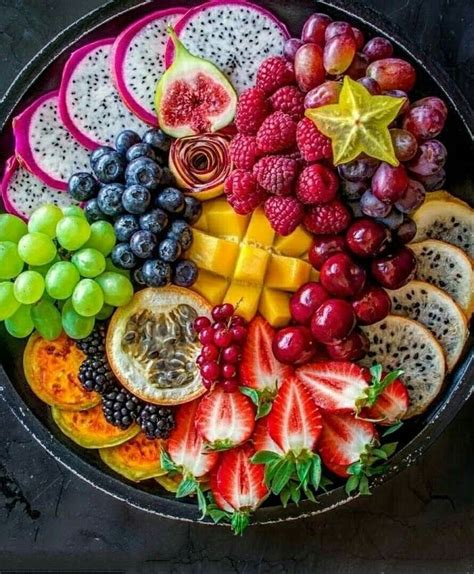
- Consider Color, Texture, and Height: Arrange elements to create visual interest. Balance colors, incorporate different textures (crisp, smooth, creamy), and build a little height to make the dish more dynamic.
- Rule of Odds: When arranging smaller items (like shrimp or scallops), placing them in odd numbers (e.g., three or five) often creates a more visually pleasing composition than even numbers.
- Thoughtful Garnishes: A fresh herb sprig, a drizzle of sauce, or a sprinkle of toasted nuts can elevate a dish, but don’t overdo it. Garnishes should complement, not overwhelm.
Lighting and the Camera’s Eye
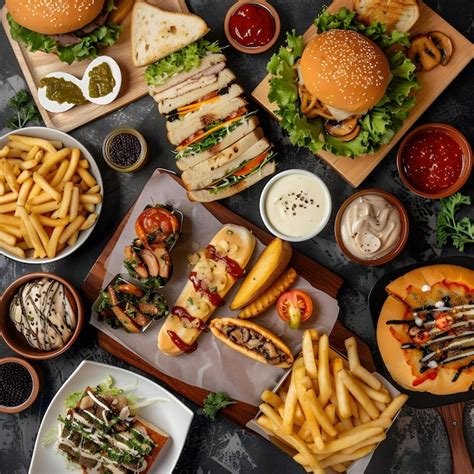
Even the most perfectly executed dish can fall flat without good lighting. Understand how to present your creation for photography.
- Natural Light is Your Best Friend: Position your dish near a window or outdoors, using indirect natural light. Avoid direct sunlight, which creates harsh shadows.
- Shoot Quickly: Food looks best fresh out of the kitchen. Steam, melting cheese, or glistening sauces are fleeting. Have your camera ready and shoot quickly once plated.
- Experiment with Angles: Try overhead shots for bowls and flat dishes, or a lower angle to capture height and layers.
- Minimal Props: Let the food be the star. Use simple, complementary backgrounds and props that enhance the dish without distracting from it.
Practice Makes Perfect
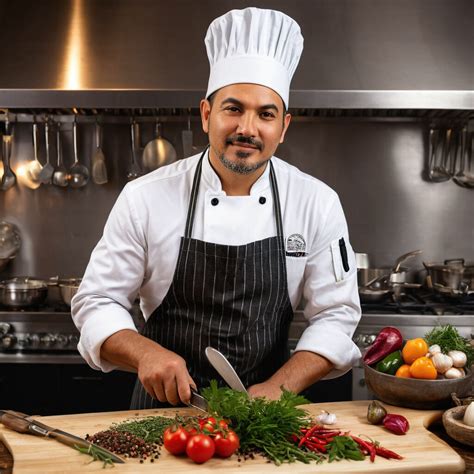
Like any skill, mastering recipe execution and food styling takes practice. Don’t be discouraged by initial failures; see them as learning opportunities.
- Document Your Progress: Take photos of your dishes, even the less-than-perfect ones. Review them to identify what worked and what didn’t.
- Learn from Mistakes: If a dish turned out too dry, note it. If the colors didn’t pop, think about why. Each cooking session is a chance to refine your skills.
- Experiment and Innovate: Once you’ve mastered the basics, feel free to put your own creative spin on recipes and presentations.
By focusing on meticulous preparation, precise execution, thoughtful plating, and smart presentation, you can consistently create dishes that are not only delicious but also stunningly photogenic. Embrace the journey of learning and soon your kitchen will be producing culinary masterpieces worthy of any spotlight.