




Visual hack: How do foodies store fresh herbs to look great & last longer?

Fresh herbs are the soul of many dishes, offering vibrant flavors and inviting aromas. But for many home cooks, the joy of bringing home a bunch of fragrant basil or bright cilantro is often short-lived as they wilt and spoil within days. Foodies, however, have mastered the art of preserving these delicate greens, ensuring they stay fresh and look stunning, ready to impress both in the kitchen and on the plate. It’s not just about prolonging their life; it’s about making them an aesthetic part of your culinary space.
The Fundamental Principles of Herb Longevity
Before diving into the visual hacks, understanding the basic needs of herbs is crucial. Most herbs, especially the soft-leaf varieties, thrive on moisture and cool temperatures, mimicking their natural growing environment. The goal is to prevent them from drying out or becoming waterlogged, both of which can lead to quick spoilage.
The first step often involves a gentle cleaning and proper hydration. Remove any rubber bands or ties, trim the bottom of the stems, and discard any yellowed or bruised leaves. This primes them for their storage solution.
Visual Appeal: Displaying Your Greens with Style
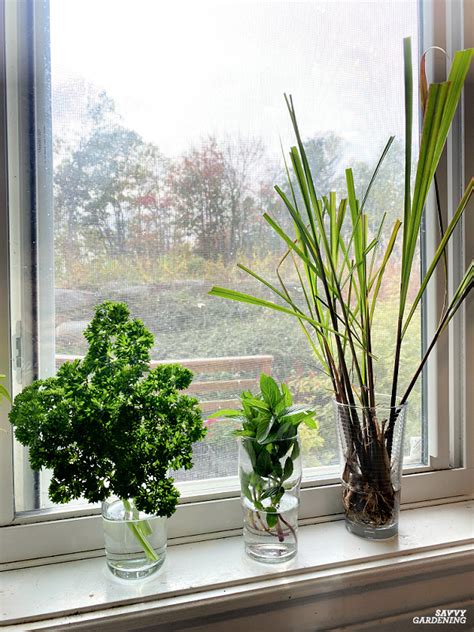
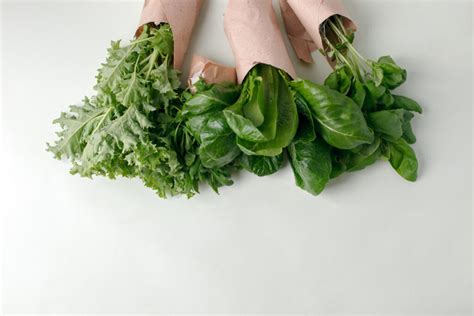
Foodies don’t just store herbs; they display them. A popular and effective method for soft-stemmed herbs like parsley, cilantro, basil, and mint is treating them like a bouquet of flowers. Place them stem-down in a glass jar or vase with about an inch of water. This not only keeps them hydrated but also turns them into a beautiful, aromatic centerpiece for your kitchen counter or windowsill.
For basil, which doesn’t like cold, leaving it on the counter (away from direct sunlight) is ideal. For other soft herbs, covering the leaves loosely with a plastic bag (or the produce bag they came in) before placing them in the fridge will create a mini-greenhouse effect, locking in moisture and protecting them from drying out.
![Disney's Glass [DVD] [2019]: Amazon.co.uk: James McAvoy, Bruce Willis ...](/images/aHR0cHM6Ly90czIuZXhwbGljaXQuYmluZy5uZXQvdGg/aWQ9T0lQLlNORURMNEtpMXBrQ1NIbmdZcTNCeWdIYUNTJnBpZD0xNS4x.webp)
Pro Tips for Different Herb Types
Not all herbs are created equal, and their storage needs vary:
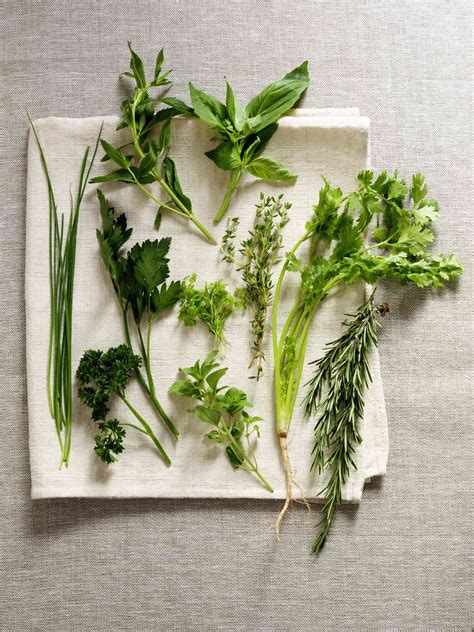
- Soft Herbs (Basil, Cilantro, Parsley, Mint, Dill): The ‘bouquet in water’ method works best. For basil, keep it on the counter; others go in the fridge, loosely covered.
- Woody Herbs (Rosemary, Thyme, Oregano, Sage): These sturdy herbs prefer a slightly different approach. Wrap them loosely in a damp paper towel, then place them in a plastic bag or an airtight container in the refrigerator. The damp towel provides just enough moisture without making them soggy.
- Chives & Scallions: These can be wrapped in a damp paper towel and stored in a plastic bag in the fridge, or even stood upright in a small glass with water like soft herbs.
Beyond the Fridge: Freezing & Drying for Long-Term
When you have an abundance of herbs, freezing or drying are excellent long-term solutions that still retain flavor, though often with a slight change in texture. For a visual treat even when frozen, chop herbs finely and pack them into ice cube trays. Cover with olive oil or water and freeze. Once frozen, pop out the cubes and store them in freezer bags. These herb cubes are perfect for adding flavor directly to soups, stews, or sautéed dishes.
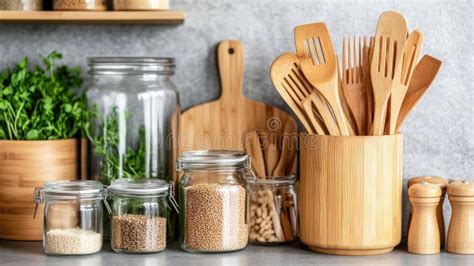
Drying herbs is another classic method. Bundle woody herbs and hang them upside down in a cool, dark, well-ventilated area for a rustic kitchen aesthetic. Once dry, store them in airtight jars, which can also look charmingly artisanal on a spice rack.

Aesthetic Touches: Making Your Kitchen Shine
The ‘visual hack’ isn’t just about functionality; it’s about integrating your herb storage into your kitchen’s design. Use clear glass jars of varying sizes for both water-based storage and dried herbs. Label them elegantly with handwritten tags or minimalist labels. Grouping similar herbs together or arranging them by color can create an appealing display.
Consider repurposing small decorative bottles or mason jars. The key is consistency and simplicity in your display choices to achieve that polished foodie look. When your fresh herbs look good, they inspire more frequent use, reducing waste and enhancing your cooking.
By adopting these foodie-approved strategies, you can significantly extend the life of your fresh herbs while transforming them into a beautiful, functional element of your kitchen. Say goodbye to wilted greens and hello to vibrant, long-lasting flavor and undeniable visual appeal!