





What visual clues help real foodies find authentic local eats on food adventures?

For the true foodie, a journey is never complete without diving headfirst into the local culinary scene. But in a world saturated with tourist traps and diluted experiences, how do seasoned adventurers pinpoint those hidden gems that offer a genuine taste of the region? The answer often lies in keen observation – a mastery of decoding visual clues that speak volumes before a single bite is taken.
The Crowd: A Local Barometer
Perhaps the most reliable indicator of authentic local eats is the clientele itself. If a restaurant is bustling with locals during peak dining hours, speaking the native tongue, and enjoying their meals with evident satisfaction, you’ve likely struck gold. Tourist-heavy spots, conversely, often feature half-empty tables or patrons poring over guidebooks.
Pay attention to demographics – are there families, elderly couples, or young professionals? A diverse local crowd suggests broad appeal and time-tested quality. Eschew places with prominent “tourist menus” translated into multiple languages and flashing neon signs advertising “best pizza in town” – these are often red flags.

Unpretentious Exteriors and Interiors
Authenticity rarely comes wrapped in glossy packaging. Many of the world’s most beloved local eateries are unassuming, perhaps even a little worn around the edges. Look for establishments that prioritize substance over style: simple decor, functional furniture, and an atmosphere that feels lived-in rather than sterile or overly designed for Instagram.
A humble facade, a handwritten menu, or a small, family-run feel can often signal a place where culinary tradition reigns supreme. Overly flashy or generic interiors, on the other hand, might suggest a chain or a place more concerned with aesthetics than genuine flavor.

Menu Specificity and Language
A menu that is predominantly in the local language, perhaps with minimal or poorly translated English subtitles (if any), is a strong positive sign. Even better, look for menus that are small, focused, and feature specific regional dishes rather than a vast array of generic international options. This often indicates a kitchen specializing in what it does best, using local ingredients and traditional recipes.
Ingredient specificity can also be a clue. Menus that highlight particular cuts of meat, types of fish caught locally, or seasonal vegetables demonstrate a commitment to quality and provenance. Avoid places offering “international cuisine” or overly broad descriptions that lack detail.
The Visible Kitchen and Ingredients
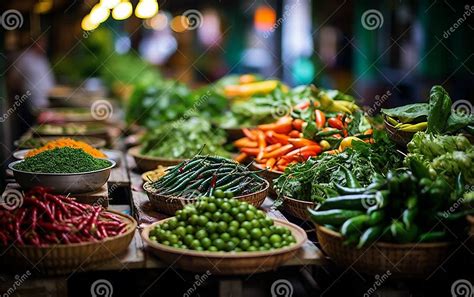
Where possible, peek into the kitchen or observe the ingredients on display. A clean, busy kitchen with visible chefs working intently is a good sign. Even better are markets or small eateries where fresh, local produce, seafood, or meats are proudly showcased. This transparency suggests confidence in their product and a commitment to freshness.
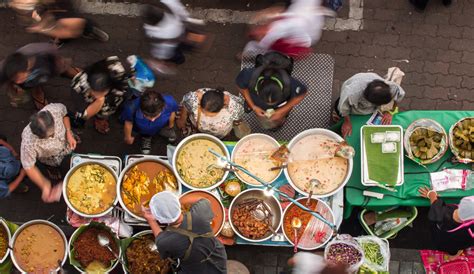
In some cultures, street food vendors or market stalls will prepare food right in front of you, allowing you to see the quality of ingredients and the cooking process firsthand. This direct visual confirmation is invaluable for discerning foodies.

Aromas and Sounds: Engaging More Senses
While visual clues are primary, other senses play a supporting role. The distinct aroma of authentic local spices, sizzling grills, or freshly baked bread wafting from an establishment can be incredibly inviting and indicative of quality. The lively chatter of locals, the clinking of cutlery, and the general buzz of a well-loved place all contribute to the overall atmosphere of authenticity.
Conversely, a quiet, sterile dining room or a smell that’s more artificial than appetizing can be a deterrent. Trust your nose and ears as much as your eyes.
Observing Local Habits and Etiquette
Watch how locals interact with their food and the establishment. Do they share dishes? Do they eat with their hands? Is there a particular way they drink their coffee or tea? Mimicking these habits, even if imperfectly, can not only enhance your experience but also confirm you’re in a place catering to genuine local tastes.
A true local spot often has its own rhythm and unspoken rules. Observing these can provide deeper insight into the culinary culture and help you identify places that are truly part of the fabric of the community.
Conclusion
Finding authentic local eats is a delightful treasure hunt for any food adventurer. By sharpening your observational skills and paying attention to these crucial visual (and sensory) clues – from the composition of the crowd to the humility of the facade, the language of the menu to the transparency of the kitchen – you can navigate the culinary landscape with confidence. Embrace the adventure, trust your instincts, and prepare to savor the true flavors of your destination, one genuinely local bite at a time.