



Tips for visually capturing authentic local food adventures?
Embrace the Spirit of Local Cuisine
When embarking on a culinary journey, the flavors, aromas, and textures are paramount. But equally important, especially in today’s visually-driven world, is the ability to capture these authentic local food adventures through compelling photography. It’s about more than just taking a picture of a dish; it’s about conveying the story, the culture, and the very soul of the place.
Understanding What “Authentic” Looks Like
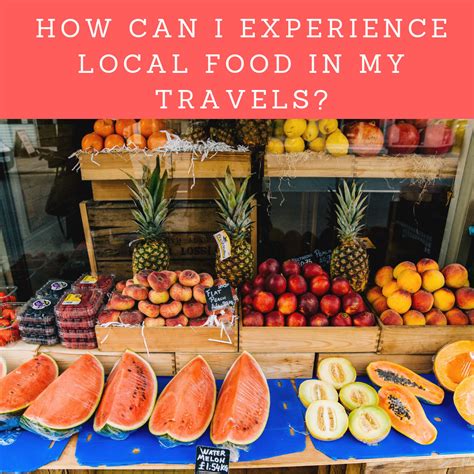
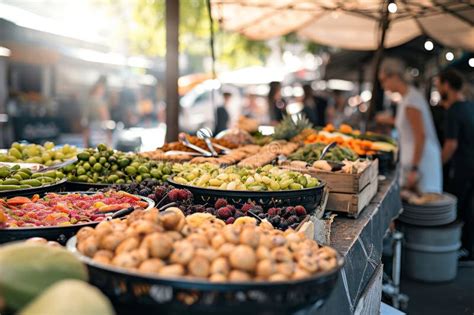
Authenticity in food photography isn’t about perfectly plated gourmet meals. Often, it’s found in the bustling street stalls, the humble family kitchens, or the vibrant local markets. It’s the steam rising from a freshly cooked bowl of noodles, the weathered hands preparing a traditional dish, or the candid joy of someone enjoying a local delicacy. Look for the unvarnished reality – the imperfections often tell the most genuine stories.
Focus on capturing the environment, the atmosphere, and the context in which the food is served. Is it a lively market, a quiet cafe, or a roadside vendor? These elements are crucial for setting the scene and conveying the true local experience.
Mastering Light and Composition for Food Photography
Light is your best friend. Natural light, especially soft, diffused light, is almost always preferred for food photography. Avoid harsh direct sunlight which can create strong shadows and blow out highlights. Position your subject near a window or in open shade. If shooting indoors at night, look for ambient light sources or use a small LED panel with a diffuser to mimic natural light.
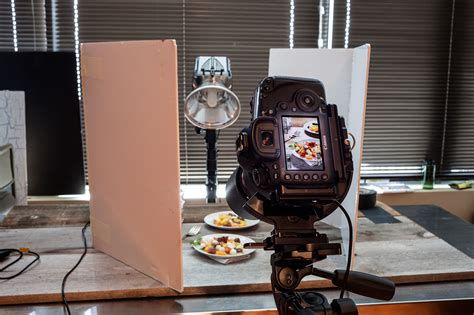
Composition plays a vital role in making your food photos appealing. Experiment with different angles: a top-down “flat lay” works well for multiple dishes or elaborate table settings, while a 45-degree angle is great for showing texture and depth. Get close to highlight details, but also pull back to include the surroundings and tell a broader story. The rule of thirds is a classic guideline that can help you create balanced and engaging images.
Capturing the Process and the People
An authentic food adventure isn’t just about the final plate; it’s about the entire journey from preparation to consumption. Don’t shy away from capturing the cooking process: the chopping, sizzling, stirring, and plating. These action shots add dynamism and narrative to your visual story. The hands preparing the food, the tools used, and the raw ingredients themselves are all rich photographic subjects.
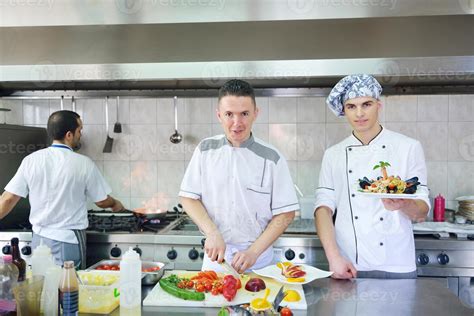
People are an integral part of the food experience. Capture candid moments of vendors interacting with customers, chefs passionately cooking, or locals happily sharing a meal. Always be respectful and ask for permission, especially when photographing individuals. Their expressions and interactions can add a powerful human element, making your photographs relatable and truly authentic.
Telling a Cohesive Story with Your Visuals
Think beyond individual shots and consider how your photographs will work together to tell a larger story. A series of images — from the market where ingredients are sourced, to the cooking process, the serving, and finally, the enjoyment of the meal — can create a much richer narrative than a single hero shot. This approach gives viewers a deeper understanding and appreciation of the local food culture.
Vary your shots: wide shots for context, medium shots for the dishes, and close-ups for details. Include elements that reflect the local culture, such as specific cutlery, textiles, or background details that are unique to the region. These small touches can significantly enhance the authenticity of your visual narrative.
Essential Equipment and Simple Post-Processing
While professional gear can be helpful, you don’t need an expensive DSLR to capture great food photos. Many modern smartphones have excellent cameras capable of stunning results. The key is understanding how to use what you have. Ensure your lens (or phone camera) is clean. If using a phone, utilize its portrait mode for shallow depth of field, or explore manual controls for better exposure.
A little post-processing goes a long way. Adjusting exposure, contrast, white balance, and saturation can bring your photos to life. Free apps like Snapseed or Lightroom Mobile offer powerful editing tools. The goal isn’t to create an artificial look, but to enhance the natural beauty and authenticity you’ve captured, making the colors pop and the textures more inviting. Remember, the best photo is often the one that looks most natural and true to the moment.
Conclusion: Capture the Soul of Local Flavors
Visually documenting authentic local food adventures is an art that combines technical skill with a deep appreciation for culture and cuisine. By focusing on natural light, thoughtful composition, capturing the human element, and telling a story, you can create a collection of images that not only looks delicious but truly transports your audience to the heart of your culinary explorations. So, next time you savor a local dish, remember to look beyond the plate and capture the vibrant world around it.