



Visual food prep: How do you chop veggies for maximum freshness & eye appeal?

The Art and Science of Vegetable Chopping
Chopping vegetables is often seen as a mundane task, but it’s a foundational skill that impacts both the culinary experience and the longevity of your produce. Beyond mere efficiency, how you cut your vegetables directly influences their texture, cooking time, visual appeal, and even how long they stay fresh. Mastering a few key techniques can elevate your home cooking and make meal prep a more enjoyable and rewarding process.
Freshness First: Chopping for Longevity
The primary concern for many home cooks is keeping vegetables fresh after they’ve been cut. The moment a vegetable is chopped, its cellular structure is compromised, exposing more surface area to air and potential oxidation. Here’s how to minimize degradation:
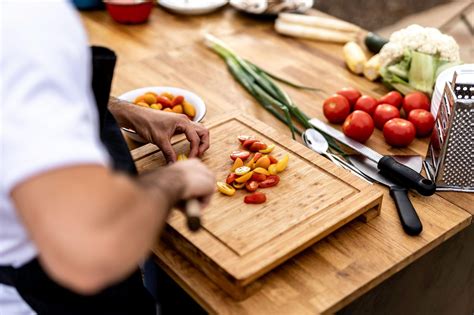
- Sharp Knives are Key: A sharp knife makes clean cuts, preserving more of the cell wall structure compared to a dull knife, which can crush and bruise cells. This reduces the rate of oxidation and keeps veggies crisper for longer.
- Uniformity for Even Cooking: While not directly related to post-chop freshness, uniform pieces cook evenly, preventing some parts from overcooking while others remain raw. This ensures optimal texture and flavor when consumed, contributing to a sense of ‘freshness’.
- Minimize Exposure: Cut vegetables closer to the time of use. If preparing ahead, store them immediately in airtight containers. Some vegetables, like carrots or celery, can benefit from a small amount of water in the container to maintain hydration.
- Acidic Baths: For highly oxidative vegetables and fruits (like apples, avocados, potatoes), a quick dip in acidulated water (water with lemon juice or vinegar) can significantly slow browning.
Eye Appeal: Techniques for Stunning Presentation
Food presentation is just as important as taste. Visually appealing food stimulates the appetite and elevates the dining experience. Different cuts offer unique aesthetic qualities and functional benefits:
Classic Cuts and Their Impact:
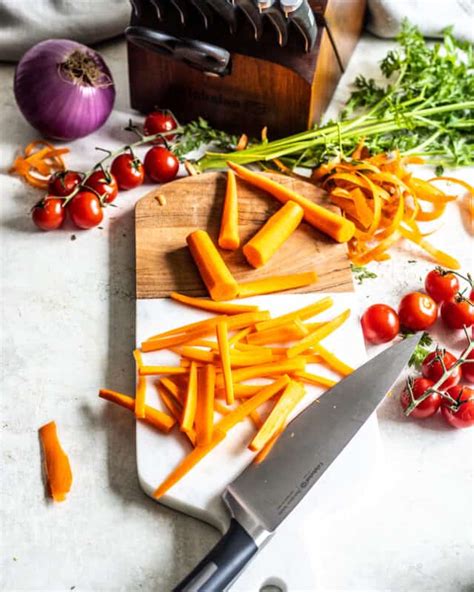
- Julienne: Long, thin matchsticks (approx. 1/8 x 1/8 x 2 inches). Perfect for stir-fries, garnishes, and delicate salads where a fine texture is desired. Think vibrant carrot or cucumber strips.
- Batonnet: Thicker sticks (approx. 1/4 x 1/4 x 2 inches). Ideal for roasting, frying, or crudités, offering a more substantial bite than julienne.
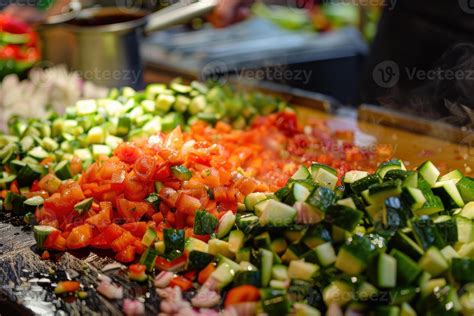
- Dice (Small, Medium, Large): Cubes ranging from 1/8 inch (brunoise) to 3/4 inch (large dice). These are versatile for soups, stews, sautés, and salads. Uniform dice ensures even cooking and a clean look.
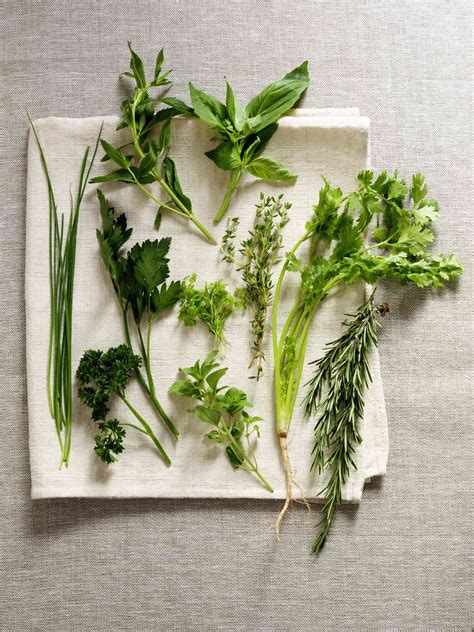
- Mince: Very finely chopped pieces, almost paste-like. Best for aromatics like garlic, ginger, and herbs, where flavor dispersion without large chunks is key.
- Chiffonade: Thin ribbons, typically for leafy greens like basil or spinach. Stack leaves, roll them tightly, and slice across the roll to create elegant strips, perfect as a garnish or for delicate dishes.
- Rondelle/Bias Cut: Round or oval slices, often seen with carrots, cucumbers, or zucchini. A bias cut (diagonal) increases surface area and adds visual interest.
Tips for Maximizing Visual Impact
Once you’ve mastered the cuts, consider these tips for presentation:
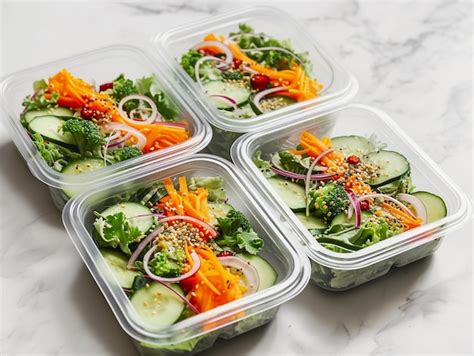
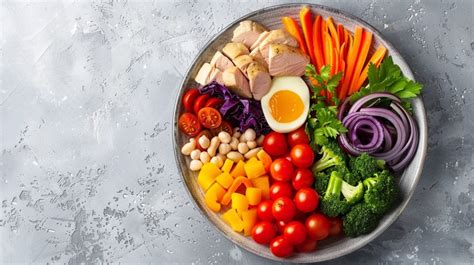
- Color Contrast: Combine vegetables of different colors to create a vibrant, appealing dish. Red bell peppers next to green zucchini, or purple cabbage with orange carrots, make a dish pop.
- Vary Shapes: Don’t just stick to one cut. A mix of julienned bell peppers, diced onions, and chiffonade basil can add dynamic texture and visual interest to a simple salad or side dish.
- Strategic Placement: Arrange ingredients thoughtfully on the plate. A sprinkle of fresh, uniformly chopped herbs as a garnish can transform a dish.
- Clean Edges: Avoid ragged cuts. A smooth, clean cut looks professional and appealing.
The Right Tools for the Job
While skill is paramount, having the right tools makes a significant difference:
- Chef’s Knife: Your primary workhorse for most chopping tasks. Invest in a good quality, sharp chef’s knife.
- Paring Knife: Useful for more delicate tasks, peeling, and intricate cuts.
- Cutting Board: A stable, large cutting board (wood or high-density plastic) is essential for safety and efficiency.
- Mandoline (Optional): For perfectly uniform slices and julienne, a mandoline can be a game-changer, but use with extreme caution.
Conclusion
Chopping vegetables is more than just prep work; it’s an opportunity to influence both the flavor and visual appeal of your meals, while also extending the life of your fresh produce. By focusing on clean, uniform cuts and understanding the impact of different techniques, you can transform your kitchen routine and present dishes that are as pleasing to the eye as they are to the palate. Invest in good knives, practice your cuts, and watch your culinary creations flourish.