




How do real foodies keep fresh herbs vibrant for beautiful garnishes?
The Secret to Ever-Vibrant Herbs for the Discerning Palate
For any true foodie, fresh herbs are non-negotiable. They’re not just about infusing dishes with incredible flavor; they’re the vibrant final flourish, the dash of green that elevates a plate from mere food to a work of art. But the struggle is real: how do you keep those delicate sprigs of parsley, basil, or cilantro from wilting into a sad, brown heap just days after purchase? The secret lies in understanding their nature and employing smart storage techniques.
No culinary masterpiece is complete without that pop of verdant freshness. Master these techniques, and your garnishes will always be as vibrant and appealing as the dishes themselves.
Understanding Your Herbs: Tender vs. Hardy
The first step to effective herb preservation is recognizing the two main types, as their ideal storage methods differ significantly:
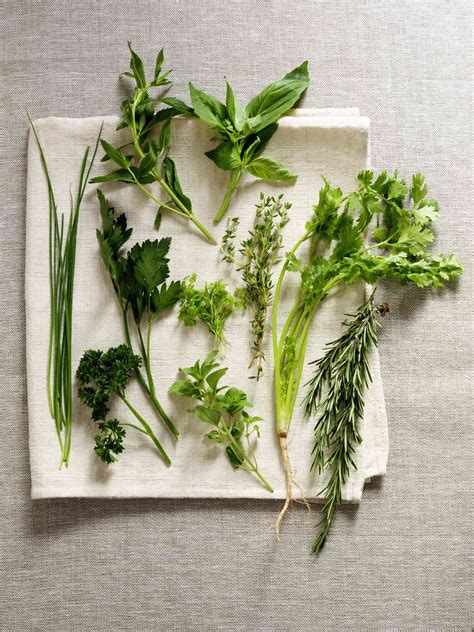
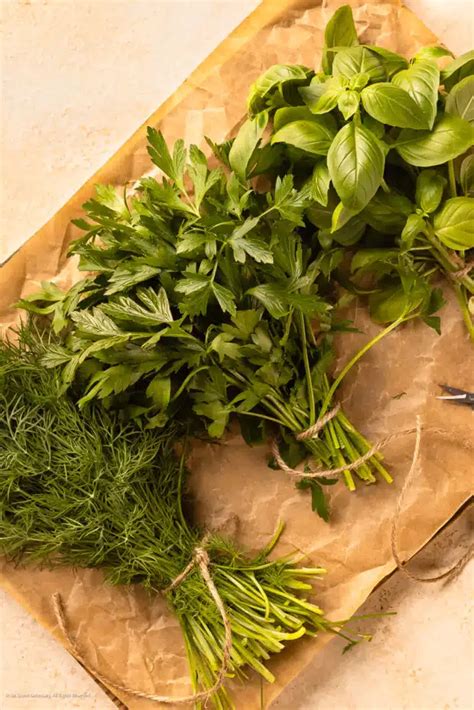
- Tender Herbs: These typically have soft, delicate stems and leaves. Examples include basil, cilantro, parsley, mint, dill, and tarragon. They thrive on moisture and can quickly wilt if left dry.
- Hardy Herbs: Characterized by tougher, often woody stems and robust leaves. Think rosemary, thyme, oregano, and sage. These are more resilient and prefer less moisture during storage.
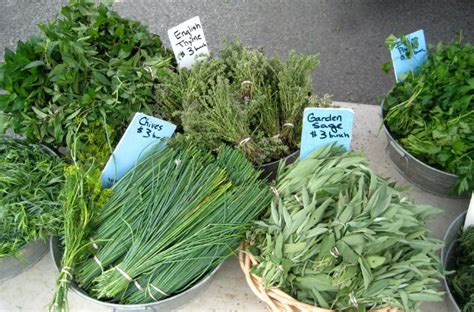
Mastering Storage Techniques for Maximum Freshness
1. The Water Method: Best for Tender Herbs
This method mimics a bouquet of flowers and is perfect for most tender herbs (with basil being a slight exception, often preferring room temperature depending on climate). Trim about an inch off the bottom of the stems. Place the herb bunch, cut-side down, into a jar or glass with an inch or two of fresh water. Loosely cover the herbs with a plastic bag to create a mini-greenhouse effect and prevent them from drying out. Store this setup in the refrigerator, changing the water every day or two. Your herbs can stay fresh for up to two weeks!
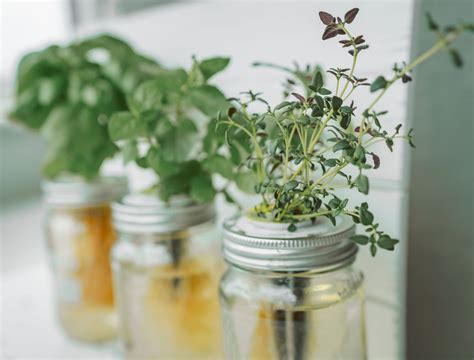
2. The Damp Paper Towel Roll: Versatile for Many Herbs
This technique is excellent for both tender and hardy herbs, especially if fridge space is limited or you prefer a more compact approach. Gently wash your herbs and pat them thoroughly dry using a clean kitchen towel or paper towels. Lay the herbs flat on a slightly damp paper towel, then roll them up loosely. Place the rolled herbs inside a zip-top plastic bag or an airtight container. Store in the crisper drawer of your refrigerator. This method works wonders for cilantro, parsley, and even hardy herbs like thyme.
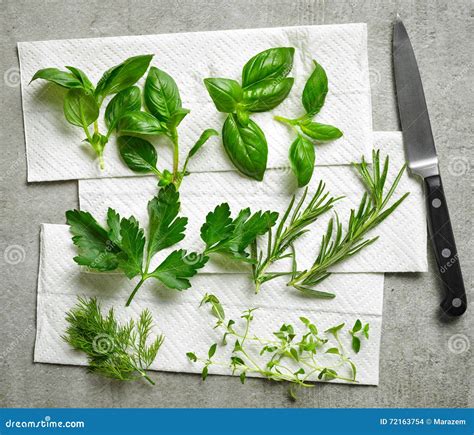
3. Dry Storage for Hardy Herbs: The Minimalist Approach
For the robust hardy herbs like rosemary, thyme, and oregano, less moisture is often more. Wash them only if necessary, and ensure they are bone dry. Wrap the clean, dry herbs in a slightly damp paper towel (just barely moist) and then place them in a plastic bag or an airtight container. Store in the refrigerator’s crisper drawer. They’ll maintain their integrity and flavor for longer this way.
Reviving Wilting Herbs: A Foodie’s Emergency Trick
Even with the best intentions, sometimes herbs can look a little sad. Don’t throw them out just yet! For slightly wilted tender herbs, trim the ends of the stems and plunge the entire bunch into a bowl of ice water for 15-30 minutes. The cold water will often rehydrate the cells, bringing them back to life and restoring their crispness and vibrant color, making them perfect for garnishing once again.
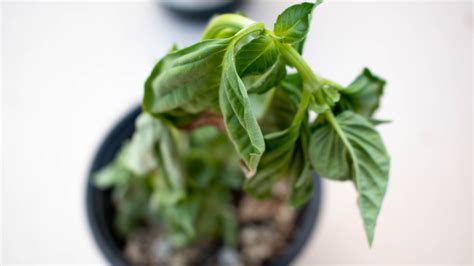
Prepping Herbs for Beautiful Garnishes
Beyond storage, proper handling before garnishing is key. Always wash herbs gently under cool running water, even if they look clean. Pat them thoroughly dry with paper towels or use a salad spinner – excess moisture can dilute flavor and prevent them from adhering properly to your dish. When chopping or plucking, use a sharp knife or your fingers to avoid bruising the delicate leaves, which can lead to discoloration and a loss of essential oils.
For the most appealing presentation, consider the texture and color contrast. A fine chop of chives over a creamy soup, whole basil leaves artfully placed on a Margherita pizza, or delicate dill fronds adorning a salmon fillet can transform a dish. Prepare your garnishes just before serving for peak freshness and visual impact.
Conclusion: Elevate Your Culinary Creations
Keeping fresh herbs vibrant is a hallmark of a thoughtful and skilled cook. By understanding the specific needs of tender and hardy varieties and implementing these simple yet effective storage and revival techniques, you’ll ensure your kitchen is always ready to deliver stunning, flavorful garnishes. This attention to detail not only enhances the aesthetic appeal of your dishes but also their overall taste experience, truly setting a foodie apart.