




Secret to vibrant, fresh herb storage for Insta-worthy meals and zero waste?
Elevate Your Culinary Creations: The Art of Herb Preservation
Fresh herbs are more than just a garnish; they are the soul of many dishes, providing bursts of flavor, aroma, and color that can transform an ordinary meal into an extraordinary culinary experience. However, the joy of bringing home a beautiful bunch of cilantro or basil often fades as quickly as the herbs themselves, wilting into a sad, soggy mess in a matter of days. This leads to wasted ingredients, lost money, and missed opportunities for those Instagram-worthy culinary moments.
But what if there was a simple secret to prolonging their freshness, ensuring your kitchen always has a vibrant supply, and your plate always looks like it came straight from a gourmet magazine? The good news is, there is! With a few clever tricks and a little understanding of your herbs, you can keep them looking and tasting their best for much longer, turning zero-waste cooking into a delicious reality.
Understanding Herb Types for Optimal Storage
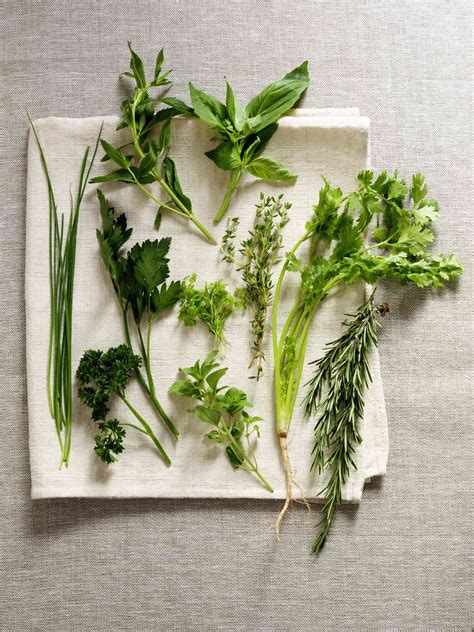
The key to successful herb storage lies in understanding their fundamental differences. Herbs generally fall into a few categories: tender with soft stems, woody with hard stems, and leafy herbs like dill or larger basil leaves that require gentle handling. Tailoring your storage method to the herb type is crucial for maximizing its lifespan.
Tender Herbs (Soft Stems & Leaves)
Herbs like parsley, cilantro, basil, mint, and tarragon have delicate stems and leaves that are prone to wilting. They thrive on moisture but also need air circulation to prevent mold.
- Method 1: The Water Bath
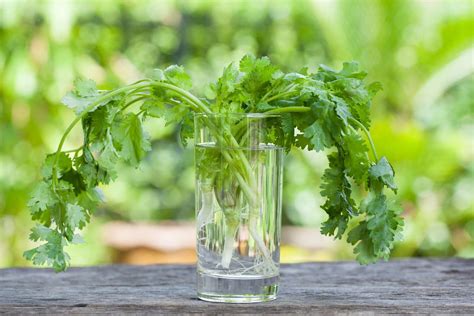
Trim the ends of the stems, just as you would with a bouquet of flowers. Place the herbs upright in a glass or jar with about an inch of water at the bottom. For most tender herbs (excluding basil), cover loosely with a plastic bag to create a mini-greenhouse effect and refrigerate. For basil, store it on the countertop, as refrigeration can cause it to blacken. - Method 2: Damp Paper Towel Wrap
For herbs that don’t love direct water contact (like basil if you’re out of countertop space, or to save fridge space), lightly dampen a paper towel. Wrap the herbs gently in the paper towel, then place them in a resealable plastic bag or airtight container. This method is excellent for maintaining humidity without oversaturation.
Woody Herbs (Hard Stems)
Rosemary, thyme, oregano, and sage are hardier and less prone to wilting. They prefer a drier environment than their tender counterparts but still benefit from some moisture.
- Method: Damp Paper Towel & Air-Tight Container
Wash and thoroughly dry woody herbs. Wrap them in a lightly damp paper towel, then place them in a resealable plastic bag or an airtight container in the refrigerator. The damp towel provides just enough moisture to keep them supple without encouraging mold.
Leafy Herbs (Large Leaves)
Dill and larger-leafed basil varieties can be a bit of a hybrid. They can benefit from the water bath method for tender herbs or the damp paper towel method, with extra care to avoid crushing their broad leaves.
Beyond Basic Storage: Advanced Preservation Techniques
Sometimes, even with the best storage, you have an abundance of herbs, or you want to preserve them for an even longer period. This is where advanced techniques come in handy.
Freezing Herbs
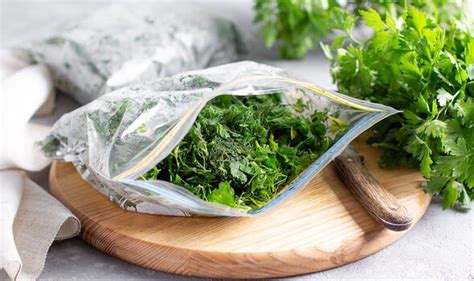
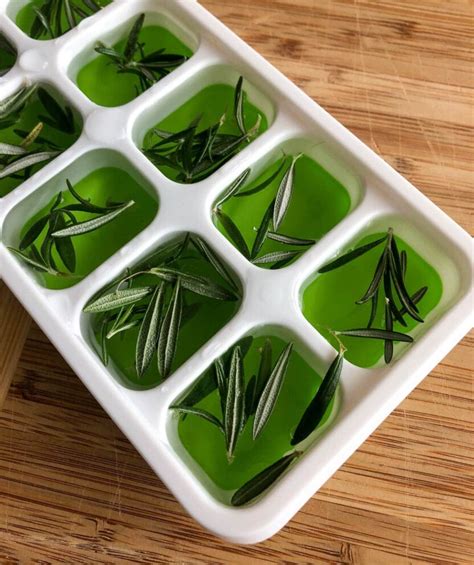
Freezing is an excellent option for preserving flavor, especially for herbs you plan to cook with. Finely chop your herbs and pack them into ice cube trays. Cover with olive oil or water and freeze. Once frozen, pop the cubes out and store them in a freezer-safe bag. When you need them, simply drop a cube into your soups, stews, or sauces.
Drying Herbs
Drying is ideal for woody herbs like rosemary, thyme, and oregano. You can tie small bunches together and hang them upside down in a cool, dry, well-ventilated area, or use a food dehydrator on a low setting. Once completely dry, crumble and store them in airtight containers.

The Insta-Worthy and Zero-Waste Benefits
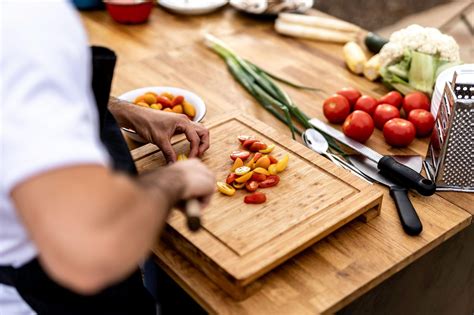
Mastering herb storage isn’t just about saving money and reducing waste; it’s about elevating your entire cooking experience. Imagine garnishing every dish with vibrant, fresh herbs that add a professional touch and intense flavor – making every meal photo-ready.
Furthermore, extending the life of your herbs significantly contributes to a zero-waste kitchen. By preventing spoilage, you’re not just saving a few dollars; you’re actively participating in sustainable living, reducing your environmental footprint, and making the most of the delicious ingredients you bring home.

Unlock the Freshest Flavors
Armed with these simple yet effective storage methods, you’re now ready to tackle the challenge of keeping your herbs gloriously fresh. From tender parsley in a water bath to woody rosemary in a damp towel, each herb has its secret to longevity. Embrace these techniques, and you’ll not only enjoy fresher, more flavorful meals but also revel in the satisfaction of a more sustainable, zero-waste kitchen. So go ahead, stock up on those beautiful greens and let your culinary creativity shine!