



How do real foodies plate healthy, vibrant meals for visual appeal?
The Art of Edible Masterpieces: Beyond Just Taste
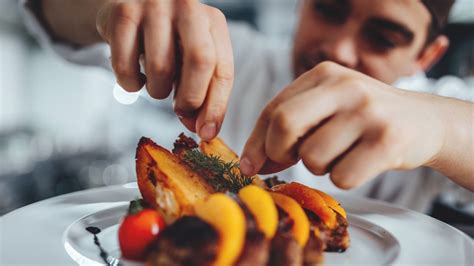
For many, a meal is simply sustenance. But for the true foodie, it’s an experience that engages all senses, starting with sight. The art of plating isn’t exclusive to Michelin-starred restaurants; it’s a skill that can elevate everyday healthy meals into vibrant, Instagram-worthy masterpieces. Real foodies understand that presentation can significantly enhance the enjoyment and even the perceived deliciousness of a dish, making healthy eating not just a necessity, but a delight.
It’s about more than just tossing ingredients onto a plate. It’s a deliberate process of arranging, contrasting, and accentuating to create a harmonious visual story. When healthy foods are presented beautifully, they become more enticing, encouraging mindful eating and a deeper appreciation for the effort put into preparation. Let’s dive into the techniques employed by those who master the art of visual gastronomy.
Mastering Color Contrast and Vibrancy
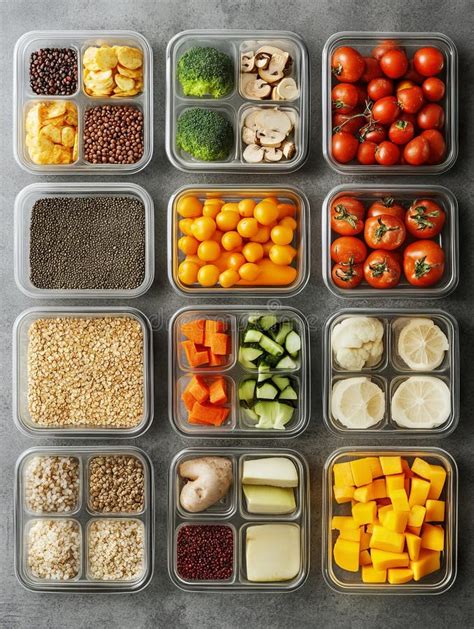
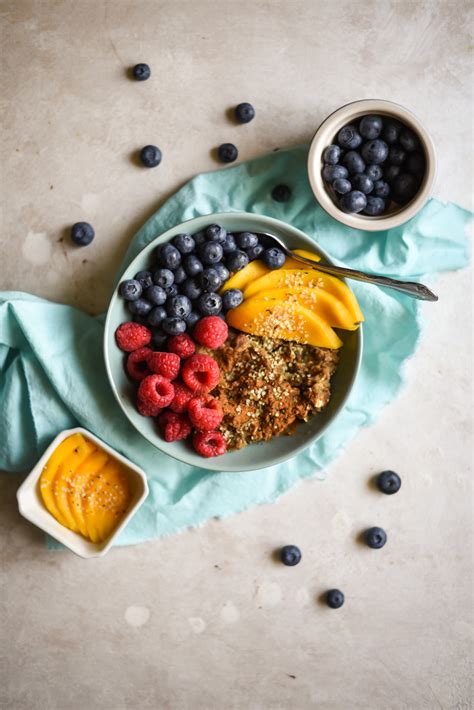
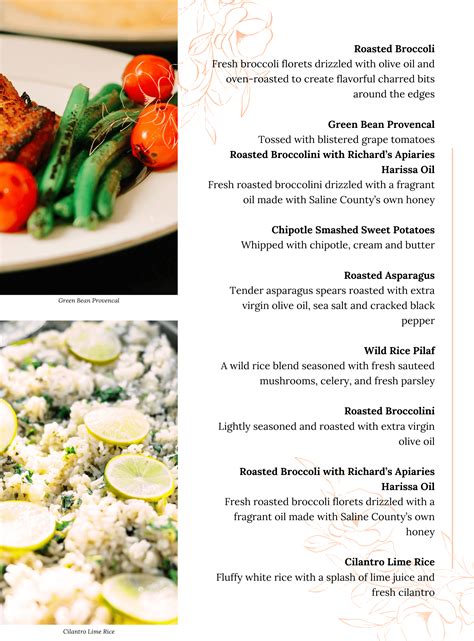
One of the most immediate ways to make a meal visually appealing is through color. Healthy ingredients naturally offer a spectacular palette of hues, from the deep purples of berries to the bright greens of leafy vegetables and the rich reds of bell peppers. Foodies strategically combine these colors to create exciting contrasts rather than a monochromatic blob.
Think about building a meal with different color groups: a vibrant green salad, a pop of red from roasted tomatoes, and a creamy white from a lean protein. This not only makes the plate more attractive but also signals a diverse range of nutrients. Avoid too many similar colors unless it’s a specific monochrome dish, and always aim for natural, unadulterated shades.
Playing with Texture and Architectural Height
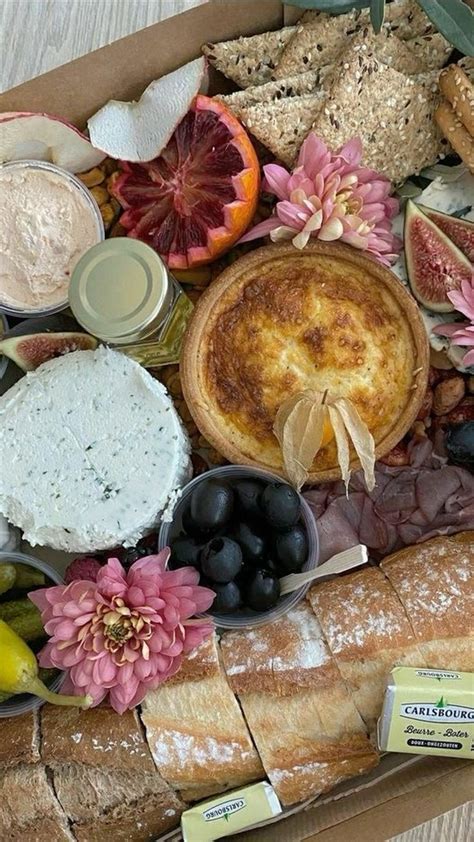
Texture adds another dimension to visual appeal and mouthfeel. A dish that looks one-dimensional might also taste one-dimensional. Foodies mix soft textures with crunchy, creamy with crisp, to create interest. Imagine the delicate flakiness of pan-seared fish contrasted with the crispness of roasted asparagus and the smoothness of a sweet potato purée.
Building height is another professional trick. Instead of spreading all components flat, stack elements strategically. A mound of grains topped with a protein, leaning against a vegetable spear, can add an architectural elegance. Using smaller bowls or ring molds can help achieve this verticality, making even a simple salad look more sophisticated.
Intentional Arrangement and Negative Space
The placement of each component on the plate is crucial. Foodies often follow the ‘rule of odds,’ arranging elements in groups of three or five to create a more dynamic and aesthetically pleasing composition. Creating a focal point—a central ingredient that draws the eye—is also key. This could be a perfectly cooked piece of salmon or a beautifully garnished lentil patty.
Equally important is negative space. An overloaded plate looks messy and unappetizing. Leaving some empty space around your food allows each component to breathe and stand out. It guides the eye and prevents the plate from looking cluttered, enhancing the perception of elegance and thoughtful preparation.
The Power of Garnish and Finishing Touches
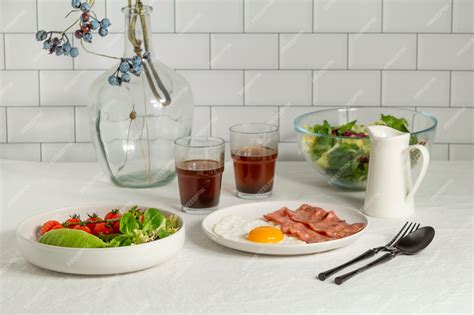
Garnishes are not just pretty additions; they are the final flourish that ties a dish together, adding freshness, aroma, and another layer of visual appeal. A sprinkle of fresh herbs like parsley or cilantro, a handful of toasted seeds (sesame, pumpkin), a drizzle of olive oil, or a swirl of a colorful sauce can transform a good-looking meal into a great one.
The key is moderation. A light hand is always preferred over an overwhelming amount. Choose garnishes that complement the flavors of your dish rather than just being decorative. Think about contrasts: a bright green herb on a dark-colored sauce, or a scattering of red chili flakes on a pale-colored dish.
Beyond the Plate: Dishware and Lighting
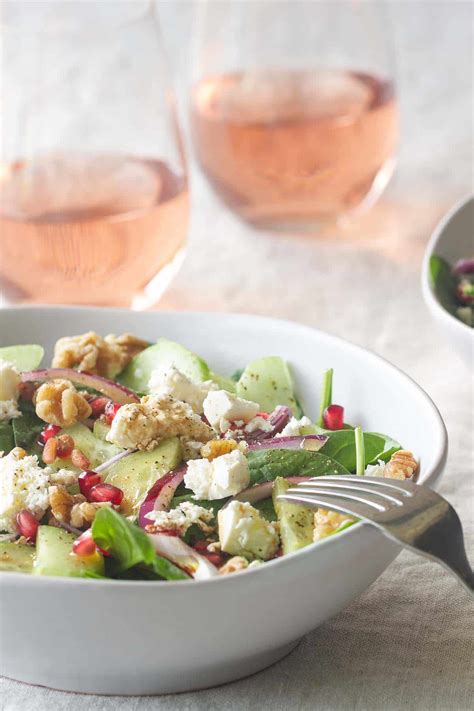
While the food itself is paramount, the canvas on which it’s presented matters. Foodies often opt for simple, neutral-colored dishware (like white or black) that allows the vibrant colors of the food to pop. The shape and size of the plate can also influence how the meal is perceived, with wider, flatter plates often providing more room for creative arrangements.
Finally, lighting plays a silent but significant role. Natural, soft light is almost always best for showcasing the true colors and textures of your meal. Avoid harsh overhead lights or yellow artificial light if you want your healthy, vibrant creation to truly shine.
Elevating Everyday Meals into Visual Feasts
Plating healthy, vibrant meals for visual appeal isn’t about being pretentious; it’s about honoring the food, enhancing the dining experience, and making healthy choices more enjoyable and sustainable. By paying attention to color, texture, height, arrangement, and thoughtful garnishes, anyone can transform their everyday cooking into edible art. So, next time you prepare a healthy meal, take a moment to consider its visual story. Your eyes—and your palate—will thank you.