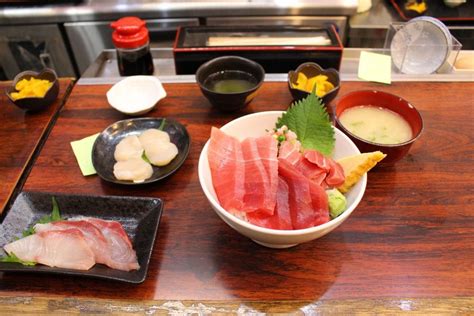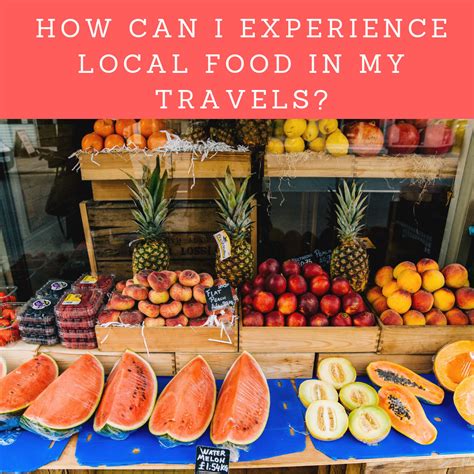





How do “Real Foodies” research authentic, visual local eats to avoid tourist traps?
Beyond the Guidebook: The Foodie’s Quest for Authenticity
For the true food enthusiast, travel isn’t just about sightseeing; it’s a culinary journey. The quest for authentic local eats is paramount, a mission to taste the soul of a destination. But in a world brimming with tourist traps designed to capture unsuspecting travelers, how do “real foodies” navigate the culinary landscape to find those hidden gems that offer both genuine flavors and a feast for the eyes?
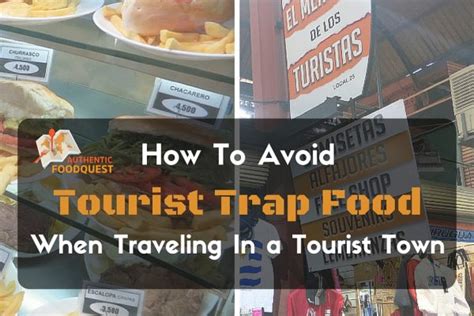
The Pitfalls of Popularity: Why Tourist Traps Disappoint
Tourist restaurants often share common characteristics: multilingual menus featuring generic international dishes, inflated prices, and a distinct lack of local patrons. While convenient, these establishments rarely offer a true taste of the region. Real foodies understand that authenticity isn’t found where the tour buses unload; it’s discovered in the unassuming eateries where locals gather, sharing stories over time-honored dishes.
Strategic Research: Unearthing Culinary Gold
Leveraging Local Intelligence (Beyond the Hotel Desk)
The first rule for any serious foodie: talk to locals. But not just anyone. Seek out non-hospitality workers – barbers, shopkeepers, taxi drivers, or even grandmas in the park. Ask where *they* eat, where they celebrate, or where they go for a quick, delicious bite. These are often the most reliable sources for finding hidden culinary treasures away from the tourist-beaten path.
Deep Dives into Niche Online Communities
Forget generic travel blogs. Real foodies delve into local food forums, city-specific Facebook groups, and niche Instagram accounts that focus on authentic regional cuisine. Searching specific local hashtags (e.g., #ParisFoodie, #StreetFoodBangkok) or even in the local language can reveal visual goldmines and specific dish recommendations. They look for posts by locals, not just paid influencers.
Observational Acumen: Reading the Culinary Landscape
Follow the Locals, Always
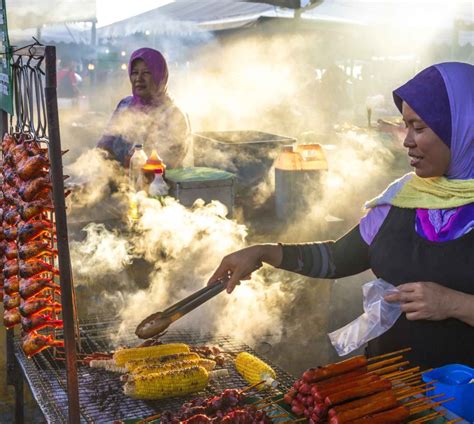
This is a golden rule. A restaurant packed with locals during peak meal times is almost always a good sign. If you see a line forming, especially for a street vendor or a small eatery, chances are you’ve stumbled upon something special. Conversely, an empty restaurant in a prime tourist area is a major red flag.
Visual Cues: What to Look For
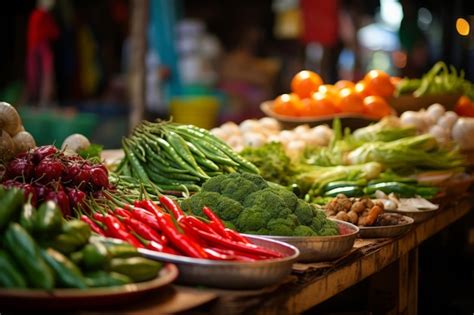
Beyond just crowds, real foodies pay attention to visual details. Are the ingredients fresh and locally sourced? Is the presentation reflective of traditional methods, or overly “prettified” for foreign palates? Look for vibrant colors in fresh produce, the care taken in preparing a dish, and the overall atmosphere that speaks to a genuine cultural experience. An unpretentious exterior often hides the most authentic flavors within.
Embracing Exploration and Immersion
Wander Off the Beaten Path
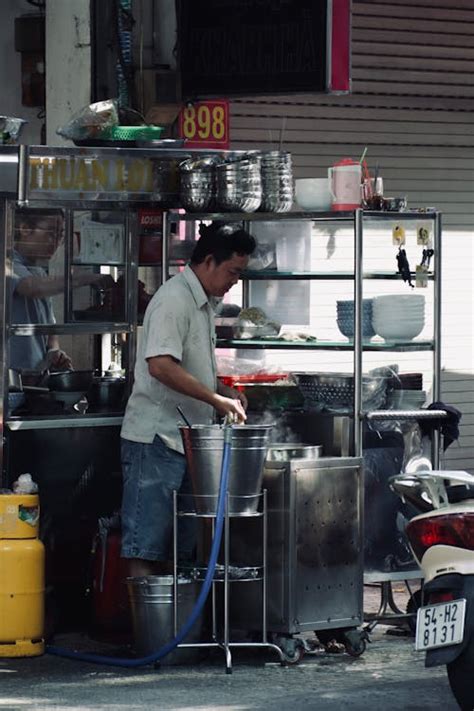
Sometimes, the best discoveries are made by simply getting lost. Ditch the rigid itinerary and explore residential neighborhoods, bustling local markets, and side streets. These areas are often where authentic, family-run eateries thrive, serving generations-old recipes to their loyal clientele. Street View on Google Maps can also be a preliminary tool to “virtually” wander and identify promising areas.
A Little Language Goes a Long Way
Learning a few basic phrases in the local language – “Hello,” “Thank you,” “Please,” “What do you recommend?” – can open doors. It shows respect and often leads to warmer interactions and better recommendations from staff who appreciate the effort. It also helps in understanding menu items that might not have English translations.
The Reward: A True Taste of Place
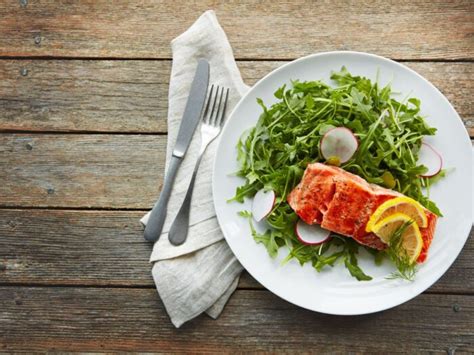
The effort invested in researching and discovering authentic local eats is always richly rewarded. It’s not just about the food; it’s about the entire experience: the aromas, the sounds, the conversations, and the feeling of truly connecting with a culture through its cuisine. For the real foodie, avoiding tourist traps isn’t just a strategy; it’s a philosophy that transforms a trip into an unforgettable culinary adventure.