



What simple plating techniques transform home recipes into visually stunning foodie feed material?
Elevate Your Everyday Meals with Stunning Presentation
In the age of social media, our food isn’t just about taste; it’s also about visual appeal. Transforming a simple home-cooked meal into a visually stunning dish that’s worthy of your foodie feed doesn’t require a culinary degree or fancy equipment. With a few basic plating techniques, you can dramatically enhance the aesthetic of your recipes, making them look as good as they taste.
Choose Your Canvas Wisely: Plate Selection
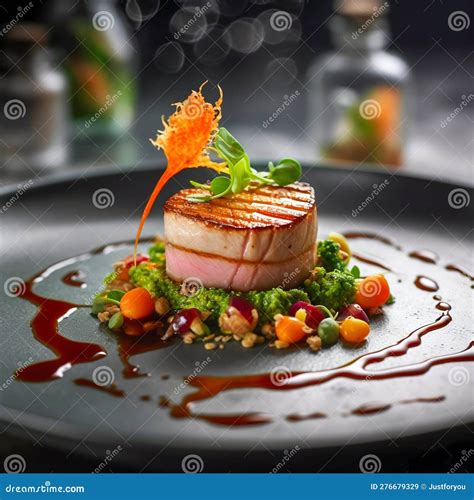
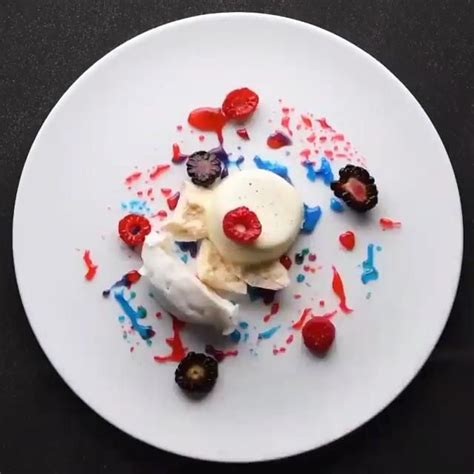
Your plate is the canvas for your edible masterpiece. Opt for simple, neutral-colored plates (white, cream, or light grey are excellent choices) as they allow the vibrant colors of your food to pop. Avoid overly patterned plates that can distract. Consider the size – don’t overcrowd a small plate, but also don’t make a dish look lonely on an oversized one. A good rule of thumb is to fill about two-thirds of the plate, leaving some negative space for visual balance.
The Art of Arrangement: Height, Balance, and Focus
Once you have your canvas, it’s time for arrangement. Think in three dimensions. Instead of spreading food flat, try to build height. For instance, stack components like pasta, protein, or vegetables. Lean ingredients against each other to create interesting angles. Place your main protein or star ingredient slightly off-center, perhaps following the “rule of thirds,” to create a more dynamic and engaging composition. Remember to leave some breathing room around your food; a little empty space can make the dish look more refined and intentional.
Play with Color and Texture Contrast
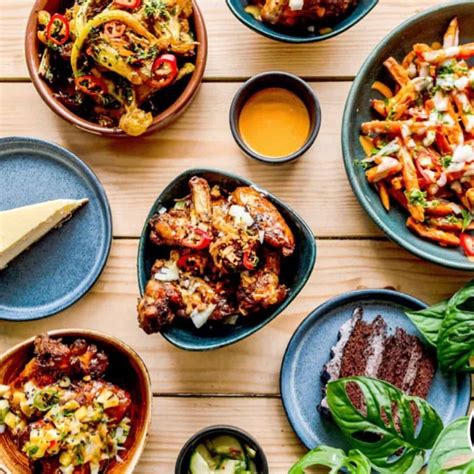
A visually appealing dish often boasts a variety of colors and textures. Bright, fresh ingredients instantly make a dish more appealing. Don’t be afraid to add a pop of contrasting color – a sprinkle of fresh green herbs on a rich red tomato sauce, or a vibrant citrus segment next to a piece of grilled fish. Similarly, mix textures: crunchy croutons on a creamy soup, a crispy skin on a tender piece of chicken, or smooth purees alongside roasted vegetables. These contrasts not only enhance the eating experience but also make the dish more interesting to look at.
The Finishing Touch: Sauces, Drizzles, and Garnishes
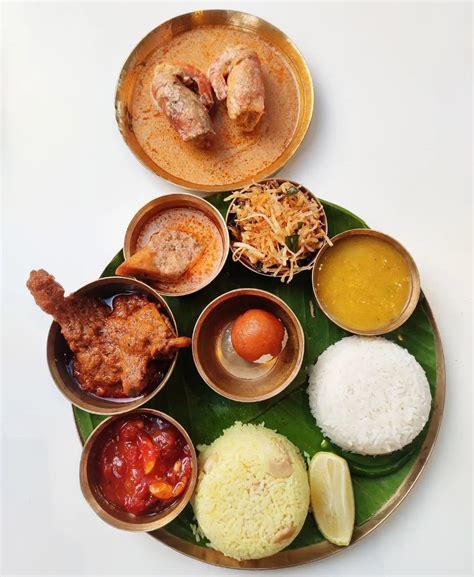
Sauces and drizzles can be powerful tools for adding visual flair. Instead of just pouring sauce over everything, consider a controlled pour or a decorative swirl. Use a squeeze bottle for precise dots or thin lines. A ‘swoosh’ or ‘smear’ of a sauce (like a purée or reduction) across the plate can add a professional, artistic touch. Always make sure the plate edges are clean – use a damp cloth or paper towel to wipe away any drips or smudges before serving.
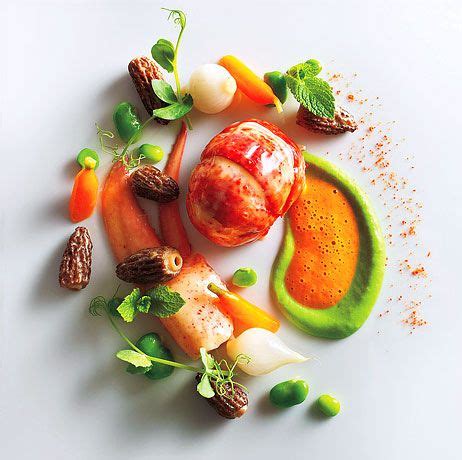
Finally, garnishes are like the jewelry of your dish. They add a final layer of color, texture, and freshness. Think beyond a simple sprig of parsley. Fresh herbs like cilantro, basil, or dill, finely chopped chives, citrus zest, toasted nuts or seeds, microgreens, or even a few edible flowers can elevate your dish instantly. Place them strategically, not just randomly, to highlight specific elements or add a contrasting pop. Less is often more; a thoughtful, minimal garnish is usually more impactful than an overflowing one.
Practice Makes Perfect
Mastering plating techniques is a skill that improves with practice. Start by focusing on one or two techniques per meal, observe how professional chefs plate their dishes, and experiment with different arrangements. Soon, you’ll find yourself intuitively creating beautiful presentations that not only impress your family and friends but also make your homemade recipes shine on any foodie feed.