



What visual ‘hook’ in the first 3 seconds makes foodies stop scrolling Visual Bites?
In the bustling digital landscape, where attention spans are measured in fleeting seconds, food content creators face an arduous challenge: how to make a foodie stop scrolling. It’s not enough to have a delicious dish; it must be presented with an immediate, undeniable visual ‘hook’ that captures the eye and ignites the appetite within the crucial first three seconds.
The Blink-and-You’ll-Miss-It Battle for Attention
Social media feeds are an endless stream of information, and food content, while universally appealing, can easily get lost in the noise. For “Visual Bites” — short, impactful food videos or images — the opening frame is paramount. It’s the digital equivalent of a shop window display, needing to convey quality, deliciousness, and intrigue instantaneously. Creators must think like an ad agency, crafting an immediate visual punch that bypasses cognitive processing and goes straight for an emotional, hunger-inducing response.
Key Visual Hooks That Stop the Scroll
1. Vibrant Colors and Contrast
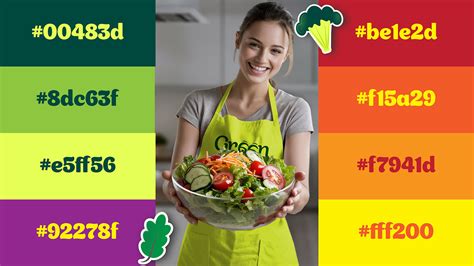
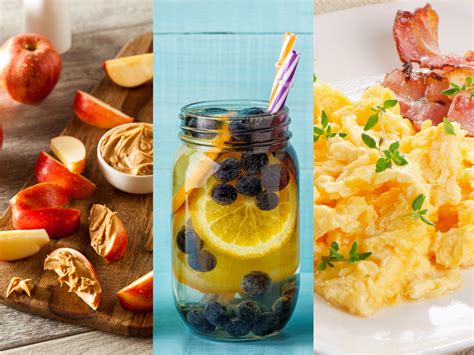
Humans are inherently drawn to color. Bright, saturated hues—the glistening red of a ripe tomato, the rich green of fresh herbs, the golden brown of a perfectly baked crust—stand out against muted backgrounds. High contrast helps elements pop, making the food the undeniable star. Think about dishes that offer natural color palettes that are both appetizing and visually striking, commanding immediate attention.
2. Dynamic Motion and Action
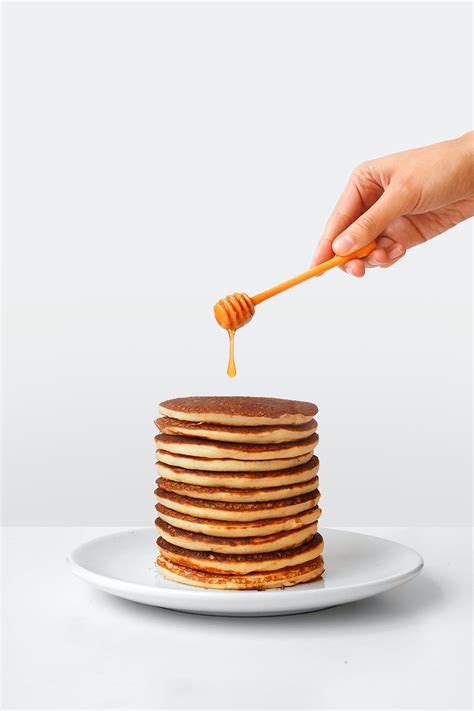
Static images are good, but movement is magnetic. A gentle swirl of cream into coffee, a slow pour of gooey cheese over nachos, a sizzling pan of fajitas, or the satisfying cut into a perfectly cooked steak—these micro-moments of action create a sense of immediacy and engagement. They hint at a process, a sensory experience, or a moment of consumption, urging the viewer to watch what happens next.
3. Irresistible Texture and Close-ups
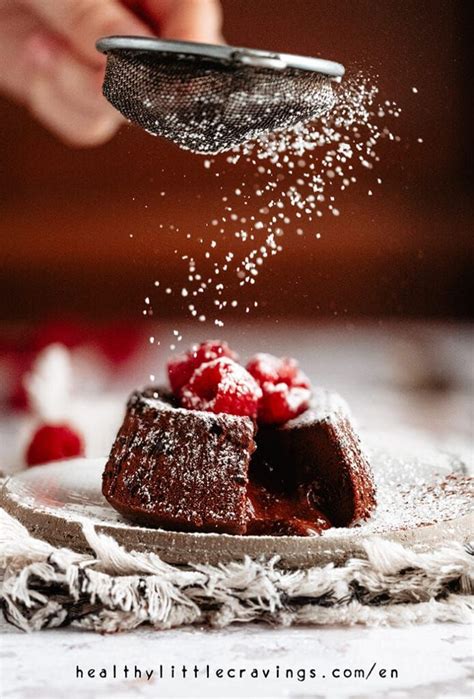
Our brains interpret texture visually, associating it with taste and mouthfeel. Extreme close-ups that highlight the crispy skin of fried chicken, the airy crumb of a cake, the glistening glaze of a donut, or the bubbling molten cheese on a pizza are incredibly powerful. These shots invite the viewer to almost “feel” the food through the screen, triggering cravings by emphasizing tactile deliciousness.

4. Unexpected Angles and Composition
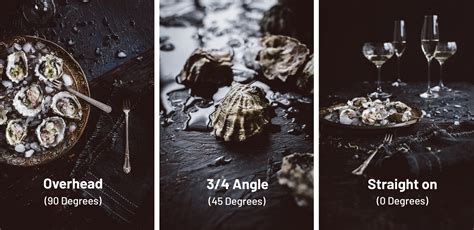
Breaking away from conventional top-down or eye-level shots can instantly make content stand out. A dramatic overhead shot revealing an artfully arranged plate, a low-angle shot emphasizing height and decadence, or creative framing that uses negative space or leading lines can create visual intrigue. The goal is to present familiar food in an unfamiliar, captivating way.
5. Relatability and Aspiration
Sometimes, the hook isn’t just about the food’s aesthetics but the story it tells. A comforting bowl of pasta evokes warmth and home, while a meticulously plated gourmet dish inspires aspiration. Content that instantly communicates “this is easy to make,” “this is comforting,” or “this is luxurious” can resonate deeply and stop the scroll, inviting viewers into a desired experience.
Mastering the 3-Second Rule
To truly master the art of the 3-second hook, creators must front-load their content. The most visually arresting element—whether it’s the sizzle, the melt, the vibrant color, or the dramatic angle—must appear within the very first frames. This requires meticulous planning, precise execution, and often, clever editing to ensure the peak visual moment is immediately accessible. It’s about delivering the “money shot” upfront, then elaborating.
Ultimately, making foodies stop scrolling Visual Bites is less about luck and more about strategic visual design. By understanding the psychology of quick consumption and leveraging powerful visual cues, food creators can transform fleeting glances into engaged viewership, turning a simple scroll into a delicious discovery.