



Best CTA for Visual Bites to drive full recipe website traffic?

Harnessing Visual Bites: The Bridge to Your Full Recipes
In today’s fast-paced digital world, visual bites—short, engaging video clips or image sequences showcasing a recipe—have become an indispensable tool for food creators. Platforms like TikTok, Instagram Reels, YouTube Shorts, and Pinterest Idea Pins thrive on this snackable content, offering incredible reach and engagement. However, the ultimate goal for many food bloggers and culinary businesses isn’t just views; it’s to drive traffic to their full recipe websites, where detailed instructions, ingredient lists, and monetization opportunities reside. The key to unlocking this conversion lies in a meticulously crafted Call-to-Action (CTA).
The Anatomy of an Effective Visual Bite CTA
A successful CTA in the context of visual recipe bites must overcome several hurdles: the short attention span of users, the inherent ‘scroll-through’ nature of platforms, and the desire for instant gratification. Therefore, your CTA needs to be:
- Clear & Concise: No ambiguity. Users should instantly understand what to do and what they’ll get.
- Benefit-Driven: Highlight what the user gains by clicking (e.g., exact measurements, secret tips, detailed instructions).
- Prominently Placed: Visible within the video, in the caption, or via platform-specific features.
- Action-Oriented: Use strong verbs that prompt an immediate response.
Top CTA Strategies and Examples for Maximizing Clicks
Let’s break down some of the most effective CTA approaches, tailored for different platforms and content styles:
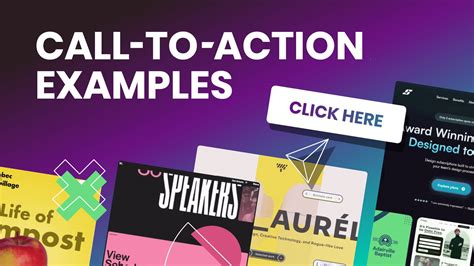
1. The Direct & Explicit CTA
This is the most straightforward approach, leaving no room for guesswork. It’s best used when the visual bite has already captured significant interest.
- Examples:
- “Full Recipe Link in Bio!” (Instagram, TikTok)
- “Get the Complete Recipe Here → [Your Website Name]” (On-screen text, YouTube Shorts description)
- “Tap for Detailed Instructions!” (Pinterest Idea Pins “Visit Website” button)
- Best Practice: Reinforce this visually with an arrow or text overlay pointing to where the link is located.
2. The Benefit-Oriented CTA
Instead of just telling them to click, tell them why they should. This appeals to their desire for success in the kitchen.
- Examples:
- “Never Guess Again: Exact Measurements & Full Method on Our Site!”
- “Unlock the Secret to Perfect [Dish Name]: Full Recipe on [Your Blog Name]!”
- “Want the Exact Ingredient Ratios? Find Them in Our Bio!”
- “Don’t Miss the Key Steps! Full Recipe on Our Website.”
- Best Practice: Identify the biggest pain point or unanswered question from your visual bite and offer your full recipe as the solution.
3. The Engagement-First & Subtle CTA
Sometimes, a softer approach can be more effective, especially if you’re building a community.
- Examples:
- “Loved this quick demo? Get the full, detailed recipe & pro tips via the link in our profile!”
- “Save this recipe for later! Link in Bio for the full written guide.”
- “Any questions on the method? The full post covers it all. Link below!”
- Best Practice: Combine this with a strong visual hook that leaves viewers wanting more.
Optimizing the User Journey Post-Click
A great CTA is only half the battle. Once users click, their experience must be seamless:
- Mobile-First Landing Page: Ensure your recipe page is fast-loading, responsive, and easy to navigate on mobile devices.
- Direct Link: Link directly to the specific recipe, not your homepage. Reduce friction at every step.
- Clear Recipe Layout: Make ingredients and instructions easy to find and read immediately upon arrival.

Testing, Tracking, and Iterating Your CTAs
What works for one audience or platform might not work for another. Continuous testing is crucial:
- A/B Testing: Experiment with different CTA wordings, placements, and visual cues.
- Analytics: Use platform insights (e.g., Instagram insights, YouTube analytics) and Google Analytics to track click-through rates (CTR) and on-site behavior (time on page, bounce rate).
- Audience Feedback: Pay attention to comments and direct messages. Are people asking where to find the recipe, or are they finding it easily?
Conclusion
Driving full recipe website traffic from visual bites requires a strategic, user-centric approach to your CTAs. By focusing on clarity, benefits, strong action verbs, and platform-specific optimization, you can effectively bridge the gap between fleeting visual engagement and valuable, sustained website visits. Remember to continuously test and refine your CTAs to keep pace with evolving trends and audience preferences, ensuring your delicious creations lead directly to your digital kitchen.