




How to achieve crisp, vibrant vegetables in stir-fries for ultimate foodie appeal?
The Quest for Perfect Stir-Fry Vegetables
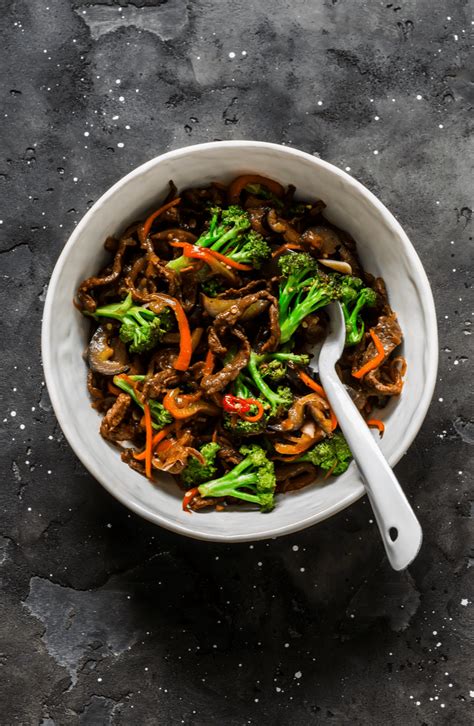
There’s nothing quite like a stir-fry brimming with vegetables that are not just cooked, but truly shine – bursting with color, retaining a delightful crunch, and packed with flavor. Far too often, home stir-fries result in soggy, dull vegetables, losing their appeal and nutritional value. Achieving that restaurant-quality crispness and vibrant hue is simpler than you might think, relying on a few fundamental principles of preparation and technique.
Start with Superior Ingredients
The foundation of any great dish begins with quality. For stir-fries, this means selecting the freshest, crispest vegetables available. Look for produce that is firm, brightly colored, and free from blemishes. While frozen vegetables can work in a pinch, fresh is always superior for texture and vibrancy. Consider a rainbow of options like bell peppers, broccoli florets, snap peas, carrots, bok choy, and mushrooms.
Precision in Preparation: The Unsung Hero
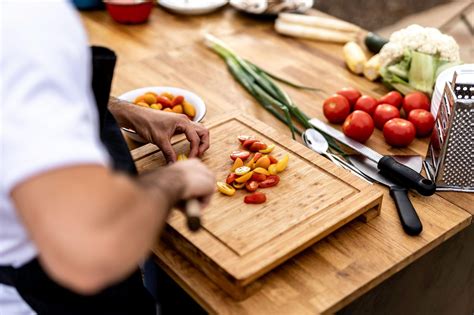
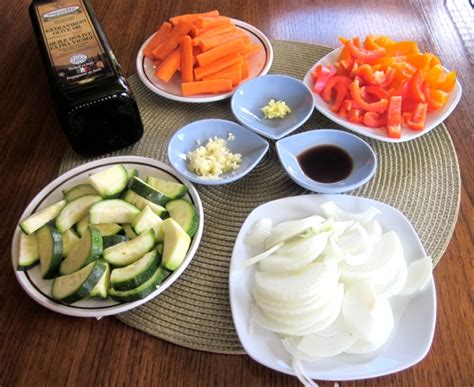
Proper preparation is paramount. First, ensure all your vegetables are washed and thoroughly dried. Excess moisture is the enemy of crispiness, as it lowers the oil temperature and steams the vegetables instead of searing them. Second, cut your vegetables into uniform, bite-sized pieces. This ensures even cooking. Harder vegetables (like carrots or broccoli stems) may benefit from being cut smaller or blanched briefly before stir-frying to give them a head start.
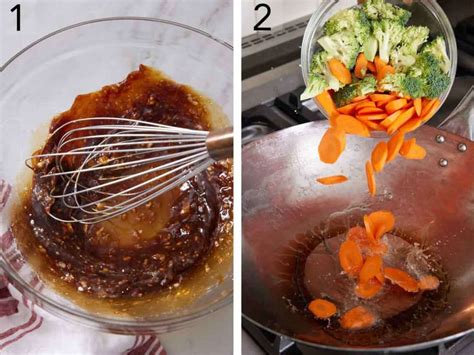
For tougher vegetables like broccoli or carrots, a quick blanch in boiling water for 30-60 seconds, followed by an immediate plunge into ice water (shocking), can help them cook faster and retain their bright color without overcooking in the wok.
Mastering the Heat: The Wok’s Best Friend
Stir-frying demands high heat. Your wok or large skillet should be searingly hot before you add any oil or vegetables. Use an oil with a high smoke point, such as peanut, canola, or grapeseed oil. A hot pan creates that crucial maillard reaction, caramelizing the natural sugars in the vegetables and preventing them from becoming watery. Don’t be afraid to let your wok get smoking hot; this is key to the rapid, intense cooking that defines a good stir-fry.
The Art of the Stir-Fry Technique
Don’t Overcrowd the Pan: This is perhaps the most common mistake. Adding too many vegetables at once drastically lowers the pan’s temperature, causing the vegetables to steam rather than fry. Cook in small batches if necessary, removing cooked vegetables to a separate plate and adding them back in at the end.
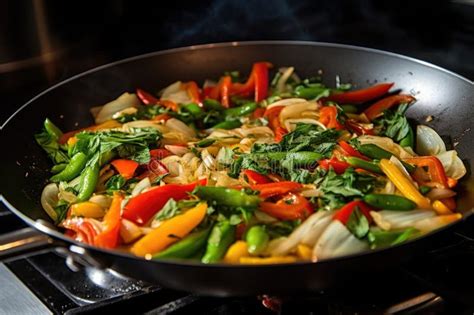
Order Matters: Add vegetables based on their cooking time. Start with harder vegetables that take longer to cook (carrots, broccoli stems) first, giving them a minute or two head start. Then add medium-cooking vegetables (bell peppers, snap peas, broccoli florets), followed by quick-cooking ingredients (leafy greens like spinach or bok choy, mushrooms, bean sprouts) right at the end.
Keep it Moving: The name says it all – stir-fry! Keep the vegetables constantly moving in the wok using a large spoon or spatula. This ensures even cooking and prevents burning. Cook quickly, usually for only 3-5 minutes total per batch, aiming for tender-crispness.
Perfecting the Sauce Application
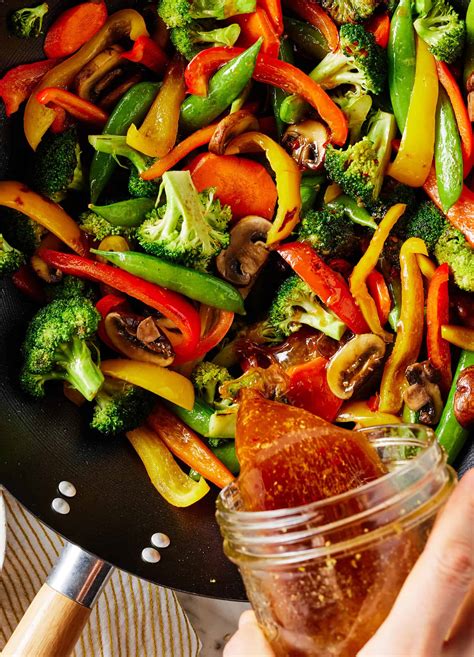
Add your stir-fry sauce towards the very end of the cooking process, usually after all vegetables are tender-crisp. Pour the sauce over the vegetables and toss quickly to coat. Allow it to simmer and thicken for just 30-60 seconds. Adding sauce too early can cause vegetables to lose their crispness and become soggy. If you like a thicker sauce, you can pre-thicken it with a cornstarch slurry before adding it to the wok.
Common Pitfalls and How to Avoid Them
- Low Heat: Always preheat your wok thoroughly until it’s smoking.
- Wet Vegetables: Ensure all produce is bone dry before it hits the pan.
- Overcrowding: Cook in batches to maintain high heat.
- Overcooking: Stir-frying is fast! Pull vegetables off the heat when they are tender-crisp, not soft.
Elevating Your Stir-Fry Game
Beyond these core techniques, consider adding aromatic ingredients like minced garlic, ginger, and chilies at the start for extra flavor. A dash of sesame oil at the very end can also enhance the aroma. Don’t be afraid to experiment with different vegetable combinations and sauces to find your perfect blend. With practice, you’ll consistently achieve stir-fries that are a feast for both the eyes and the palate, delivering ultimate foodie appeal every time.