




Best methods to keep fresh herbs vibrant & flavorful for foodie dishes?

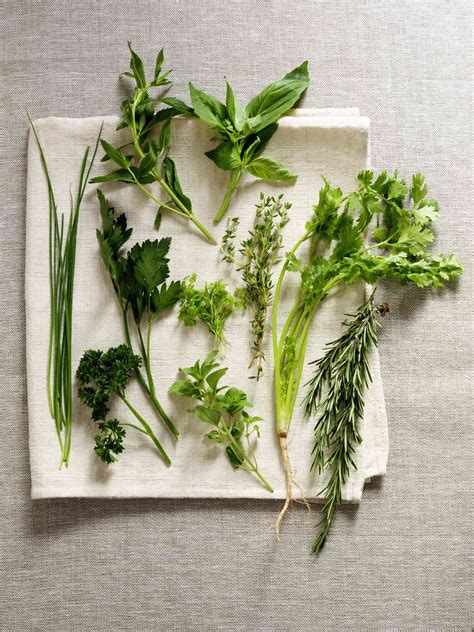
For any true foodie, fresh herbs are non-negotiable. They are the vibrant soul of a dish, offering aromatic complexity, bright colors, and unparalleled flavor that dried alternatives simply can’t match. However, keeping these delicate green treasures from wilting into a sad, brown heap can be a challenge. Fear not! With the right techniques, you can extend the life of your fresh herbs, ensuring they’re always ready to transform your culinary creations.
The Essential First Step: Proper Handling from the Start
Before you even think about storage, proper handling upon purchase or harvest is crucial. Always inspect your herbs for any signs of spoilage or wilting. Gently wash them under cool running water, being careful not to bruise the leaves. Pat them very dry with a clean kitchen towel or use a salad spinner. Excess moisture is the enemy of freshness, promoting rot and mold.
Short-Term Solutions: Refrigerator Storage
Method 1: The Bouquet Approach (for tender herbs)
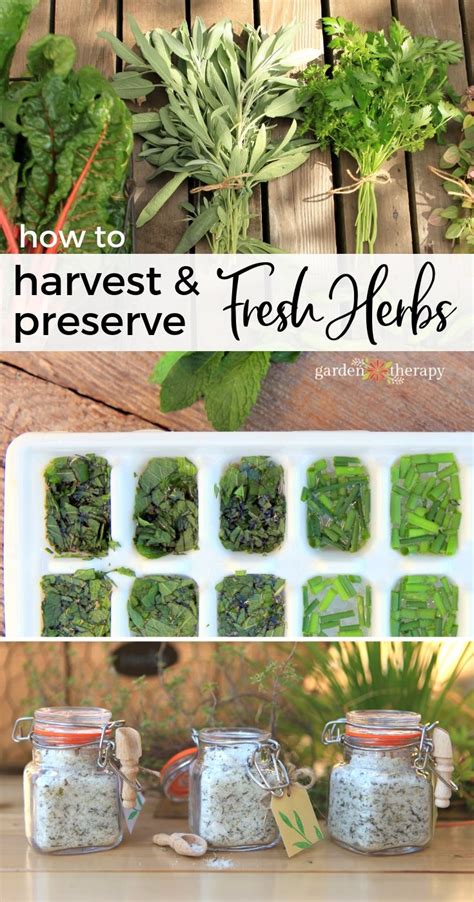
This method works wonders for delicate, leafy herbs like parsley, cilantro, basil, mint, and dill. Trim the very ends of the stems, much like you would cut flowers. Place the herbs upright in a glass or jar with about an inch of water at the bottom. Cover the leaves loosely with a plastic bag (or the bag they came in) to create a humid environment, and refrigerate. Change the water every day or two. Basil is a bit an exception here – it often prefers room temperature away from direct sunlight, or if refrigerated, keep it loosely covered to prevent blackening.
Method 2: The Damp Paper Towel Wrap (for sturdy and tender herbs)
This versatile method is excellent for most herbs. After washing and thoroughly drying your herbs, lay them out on a slightly damp paper towel. Roll them up gently, then place the roll inside a resealable plastic bag or an airtight container. Store in the crisper drawer of your refrigerator. This keeps the herbs moist but not wet, preventing desiccation without promoting mold. This method is particularly effective for rosemary, thyme, oregano, and chives, as well as softer herbs if you’re out of jar space.
Long-Term Preservation: Beyond the Fridge
Freezing for Future Flavor
Freezing is a fantastic option for preserving the vibrant flavor of herbs for several months, especially those you use frequently in cooked dishes. While the texture might soften slightly upon thawing, the flavor remains largely intact.
Option A: Herb Ice Cubes. Chop your herbs finely (or coarsely, depending on your preference). Pack them into ice cube trays. Fill the trays with olive oil, melted butter, or even water. Freeze until solid, then transfer the herb cubes to an airtight freezer bag or container. These are perfect for tossing directly into soups, stews, sauces, or sautéed vegetables.
Option B: Flash Freezing. For heartier herbs like rosemary or thyme, you can freeze whole sprigs. Lay clean, dry sprigs on a baking sheet and freeze until solid. Then transfer them to a freezer bag. You can pull off individual leaves or sprigs as needed.

Drying: An Ancient Art
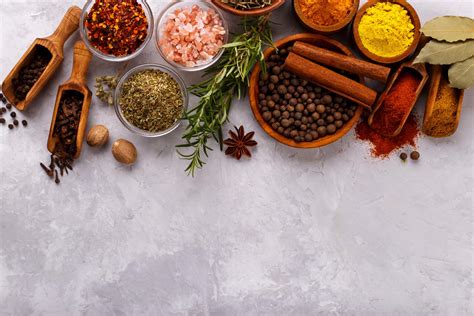
Drying concentrates the flavors of herbs and is ideal for those with lower moisture content and stronger aromas like oregano, thyme, rosemary, bay leaves, and sage. While dried herbs have a different flavor profile than fresh, they are invaluable for certain dishes.
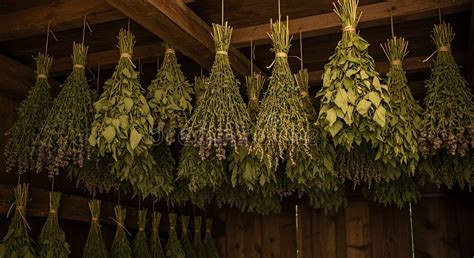
Air Drying: Tie small bunches of herbs together and hang them upside down in a warm, dry, well-ventilated area away from direct sunlight. This can take anywhere from a few days to a couple of weeks. Once brittle, strip the leaves from the stems and store them whole or crumbled in airtight containers in a cool, dark place.
Oven Drying: For a faster method, you can dry herbs in a low oven (around 180°F or 80°C) with the door slightly ajar to allow moisture to escape. Lay herbs in a single layer on baking sheets. This usually takes a few hours, so monitor them closely to prevent burning.
Dehydrator: An electric dehydrator offers the most consistent results for drying herbs, maintaining optimal temperature and airflow.
Creative Culinary Preservation
Beyond basic storage, you can turn your abundance of fresh herbs into delightful culinary staples.
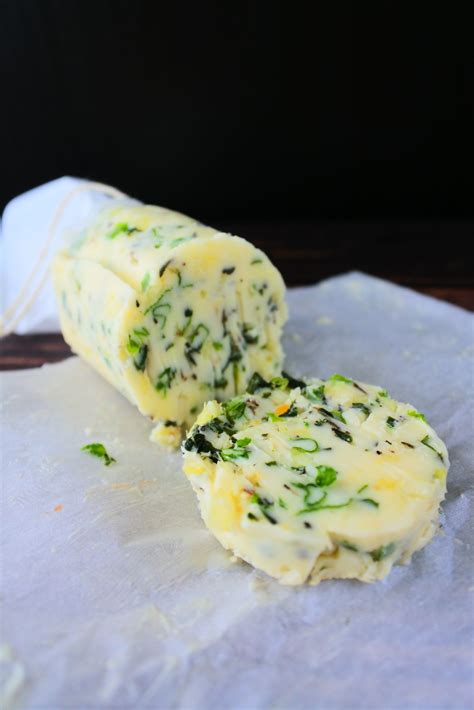
- Herb Butters: Finely chop your favorite herbs and mix them into softened unsalted butter. Roll into a log using parchment paper or plastic wrap, and refrigerate or freeze. Perfect for finishing steaks, slathering on bread, or melting over vegetables.
- Pesto: While basil pesto is classic, don’t limit yourself! Experiment with parsley, cilantro, mint, or a mix of greens. Blend herbs with nuts (pine nuts, walnuts, almonds), garlic, hard cheese, and olive oil. Store in the fridge with a layer of olive oil on top, or freeze in small portions.
- Herb Vinegars & Oils: Infuse vinegars or oils with robust herbs like rosemary, thyme, or oregano for a flavorful dressing or cooking base. Ensure herbs are completely dry to prevent spoilage in oil infusions.
Embrace the Freshness
Keeping fresh herbs vibrant and flavorful doesn’t have to be a daunting task. By understanding the specific needs of different herbs and employing the right storage and preservation techniques, you can significantly extend their life. This not only reduces waste but ensures that your culinary endeavors are always infused with the brightest, most authentic flavors. So go ahead, stock up on your favorite greens, and let your foodie creations truly sing!