



What specific visual bite element makes foodies instantly crave full recipes?
In today’s visually-driven culinary world, a single glance at a photograph can ignite an unstoppable craving. For foodies, these “visual bites” are more than just pretty pictures; they are tantalizing invitations to explore, experiment, and ultimately, cook. But what precisely is that magical ingredient in food photography that transforms a mere image into an urgent desire for a full recipe? It’s not just about good lighting or a high-resolution shot; it’s about tapping into primal sensory triggers through specific visual cues.
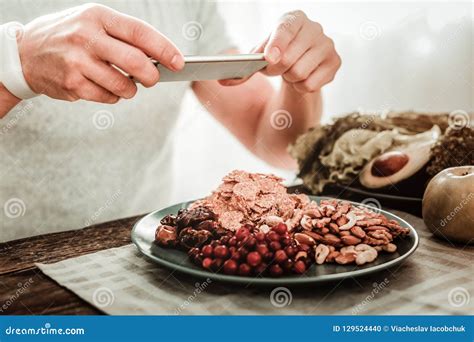
The Allure of Texture and Contrast
One of the most potent elements is the masterful display of texture and contrast. Food that looks diverse in its tactile qualities – think the glistening char on a grilled steak against its tender pink interior, the crisp edges of a freshly baked cookie juxtaposing its soft, chewy center, or the creamy swirl of a sauce over perfectly al dente pasta – instantly engages the viewer. These visual cues promise a multi-sensory experience long before the first bite. Photographers achieve this by playing with light and shadow to emphasize ridges, crumbs, and varying surfaces, making the food appear almost touchable and incredibly inviting.
The “Just-Cooked” Appeal: Steam and Sizzle
Nothing conveys freshness and immediate gratification quite like elements that suggest warmth, movement, and aroma. A wisp of steam rising from a hot bowl of soup, the bubbling glaze on a fresh-out-of-the-oven casserole, or the delicate sheen of melted cheese pulling apart as it’s served—these dynamic visual cues imply that the food is not only ready but perfectly prepared for enjoyment right this second. They create a sense of urgency and warmth, making the viewer almost smell and taste the dish through the screen.
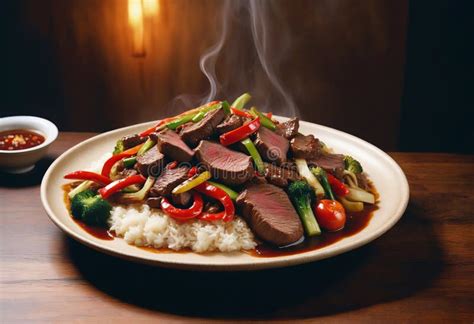
The Power of the “Money Shot” – Cross-Sections and Layers
The “money shot” often involves revealing the interior of a dish, especially when it boasts intricate layers or a particularly appealing filling. A perfectly cut slice of cake revealing distinct layers of sponge and frosting, a burger cross-section showcasing a juicy patty, melted cheese, and fresh toppings, or a burrito cut in half to display its vibrant, tightly packed ingredients—these images are incredibly powerful. They satisfy curiosity, promise complexity of flavor and texture, and remove any doubt about the deliciousness hidden within.
Garnishes and Props: Framing the Feast
While the food itself is paramount, the surrounding elements play a crucial supporting role. Fresh, vibrant garnishes like finely chopped herbs, a sprinkle of chili flakes, or a wedge of citrus not only add a pop of color but also hint at freshness and flavor profiles. Thoughtfully chosen props – a rustic wooden board, a beautiful ceramic plate, a vintage fork, or a strategically blurred background – frame the food without overpowering it. They set the scene, adding context and aspiration, making the entire presentation feel like a curated, irresistible experience.
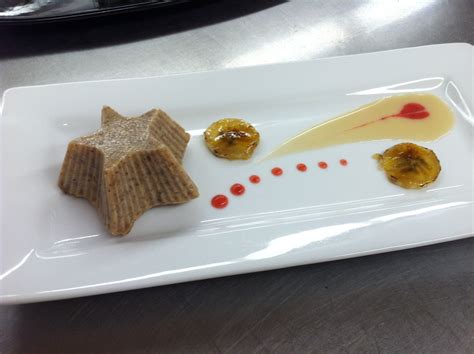
The Human Element: The Act of Consumption
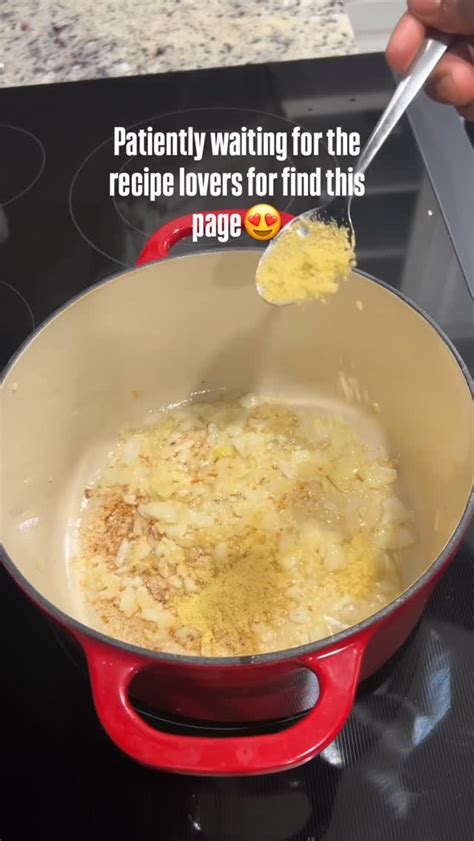
Sometimes, the most effective visual bite isn’t just the still food, but the interaction with it. A hand reaching into the frame to grab a piece, a fork piercing a delicate pastry, or a spoon scooping up a rich dessert can dramatically increase a dish’s appeal. These shots connect with the viewer on a deeply empathetic level, inviting them to imagine themselves in that moment, experiencing the pleasure of the food firsthand. It transforms a static image into a dynamic, relatable experience, making the craving for the recipe almost irresistible.
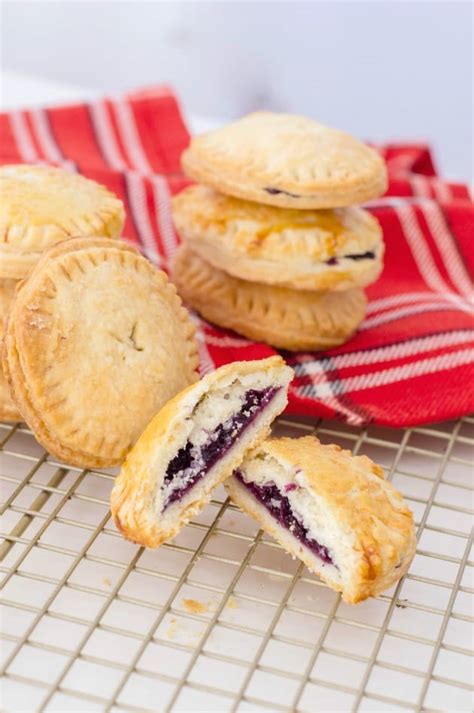
Ultimately, the specific visual bite element that instantly makes foodies crave full recipes is not a single factor but a synergistic blend of many. It’s the emphasis on tantalizing textures, the suggestion of immediate warmth and freshness, the compelling reveal of a dish’s delicious interior, the artful framing by thoughtful props, and often, the relatable invitation of human interaction. When these elements converge in a single, well-composed shot, they transcend mere photography, becoming a powerful culinary siren song that leads directly to the recipe book.