



How to create Visual Bites that stop the foodie scroll and drive recipe clicks?
In today’s visually saturated digital landscape, especially within the bustling realm of food content, merely having a delicious recipe isn’t enough. To truly stand out and drive engagement, you need to create ‘Visual Bites’ – compelling images and short videos that instantly grab attention, tantalize taste buds, and compel users to click through to your full recipe. This guide will walk you through the essential strategies to transform your food visuals into powerful click-drivers.
Understanding the Power of the First Impression
Your visual is the gateway to your recipe. On platforms like Instagram, TikTok, Pinterest, or even Facebook, users scroll at lightning speed. You have a mere second or two to make an impact. This means your Visual Bite needs to be incredibly strong, clear, and mouth-watering. It’s not just about showing the food; it’s about evoking an experience, a craving, or a sense of delight.
Focus on high-quality photography and videography from the outset. Grainy, poorly lit, or unappealing visuals will be scrolled past without a second thought. Invest time in learning basic food styling, photography angles, and editing techniques, or consider collaborating with someone who has these skills.
Mastering Lighting and Composition
1. Natural Light is Your Best Friend
Whenever possible, use natural light. Position your food near a window, ensuring the light is soft and diffused. Harsh direct sunlight can create unflattering shadows, while too little light leads to dark, unappetizing images. If natural light isn’t available, invest in good artificial lighting that mimics soft daylight.
2. Composition and Angles
- Overhead Shot (Flat Lay): Great for showing all ingredients or a beautifully arranged spread.
- 45-Degree Angle: Mimics how a diner would view the plate, often highlighting texture and depth.
- Close-Up Shot: Emphasizes detail, texture, and moisture – perfect for showing gooey cheese or a crispy crust.
Don’t overcrowd your frame. Use negative space effectively to draw attention to your main subject. Consider the rule of thirds to create balanced and appealing compositions.
Styling for Success: Making Food Irresistible
Food styling is where your dish truly comes alive. It’s about more than just cooking; it’s about presentation. Think about:
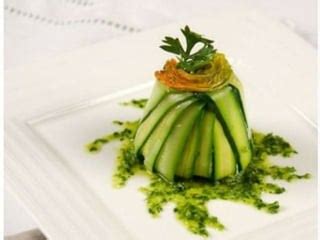
- Color Contrast: Use contrasting colors to make your ingredients pop. A garnish of fresh herbs can brighten almost any dish.
- Texture: Highlight different textures – a sprinkle of flaky salt on a chocolate chip cookie, a drizzle of syrup over pancakes, or a crisp topping on a casserole.
- Props and Backgrounds: Use simple, complementary props (cutlery, napkins, rustic boards, fresh ingredients) that enhance the food without distracting from it. Choose backgrounds that provide contrast and don’t compete with your dish.
- Storytelling: Can your visual tell a mini-story? A hand reaching for a slice, steam rising from a hot bowl, or a drizzle of sauce being applied can add dynamism.
The Power of Short-Form Video
With the rise of platforms like TikTok and Instagram Reels, short-form video has become indispensable. A quick, engaging video can often outperform a static image in stopping the scroll. Think about:
- Process Videos: Show a crucial step or two in the recipe, like mixing, pouring, or plating.
- ASMR Sounds: The sizzle of frying, the crunch of a bite, or the pour of a sauce can be incredibly effective.
- Dynamic Shots: Zoom ins, slow-motion drips, or quick cuts showing the finished product from different angles.
- Before-and-After: A quick montage from raw ingredients to the finished masterpiece.
Keep these videos concise – ideally under 15-30 seconds – and pair them with trending audio or upbeat music to maximize engagement.
Crafting Compelling Captions and Calls to Action
While the visual does the heavy lifting, your caption is crucial for conversion. Your caption should:
- Hook Immediately: Ask a question, make a bold statement, or highlight a key benefit.
- Describe Briefly: Give just enough tantalizing detail to make them want more, without giving away the whole recipe.
- Include Emojis: Use food-related emojis to add visual interest and convey emotion.
- Strong Call to Action (CTA): Clearly tell users what you want them to do. Examples: “Link in bio for the full recipe!” “Tap here to get the step-by-step guide!” “Comment below if you’d try this!”
Always ensure your CTA is prominent and easy to follow. Make it frictionless for users to get from your Visual Bite to your recipe page.
Analyze, Adapt, and Optimize
The world of social media is constantly evolving, and so should your strategy. Pay attention to your analytics:
- Which posts get the most likes, shares, comments, and most importantly, clicks?
- What types of visuals resonate most with your audience (e.g., bright and airy, dark and moody, process videos)?
- What time of day do your posts perform best?
Use these insights to refine your Visual Bite creation process. Experiment with new angles, editing styles, or video formats. The goal is continuous improvement to keep your content fresh, engaging, and highly clickable.
Creating Visual Bites that truly stop the scroll and drive recipe clicks requires a blend of artistic flair, technical skill, and strategic thinking. By focusing on captivating visuals, engaging storytelling, and clear calls to action, you can transform your online presence and turn casual scrollers into loyal followers and enthusiastic home cooks.