




Best food storage tips to keep fresh produce vibrant longer for daily real food meals?
The Importance of Proper Produce Storage for Real Food Enthusiasts
For anyone committed to daily real food meals, fresh produce is the cornerstone of a healthy diet. However, nothing is more disheartening than reaching for a vibrant bunch of greens or ripe berries only to find them wilted, moldy, or past their prime. Improper storage not only leads to significant food waste but also diminishes the nutritional value and deliciousness of your ingredients. Mastering the art of produce preservation is a game-changer, saving you money, reducing trips to the grocery store, and ensuring your wholesome meals are always at their best.
This guide will equip you with practical, science-backed tips to extend the life of your fruits and vegetables, keeping them crisp, colorful, and packed with flavor, ready for your next culinary creation.
Understanding Your Produce: Ethylene Gas and Humidity
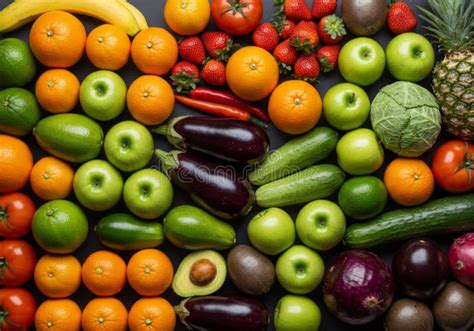
The first step to effective produce storage is understanding that not all fruits and vegetables are created equal. Many fruits produce ethylene gas, a natural ripening hormone, which can speed up the spoilage of other sensitive produce. Key ethylene producers include apples, avocados, bananas, cantaloupe, kiwi, peaches, pears, and tomatoes. Conversely, ethylene-sensitive items like broccoli, cabbage, carrots, leafy greens, and potatoes should be stored away from these gas emitters.
Humidity is another critical factor. Some produce thrives in high humidity (e.g., leafy greens, carrots), while others prefer low humidity (e.g., onions, garlic, squash). Your refrigerator’s crisper drawers often have humidity settings – use the high-humidity drawer for moisture-loving items and the low-humidity drawer for those that prefer drier air.
Best Practices for Common Produce Items
Leafy Greens & Herbs: Keep Them Crisp
Leafy greens like spinach, lettuce, kale, and collards wilt quickly if not stored correctly. The trick is to keep them clean, dry, and cool. Wash them thoroughly, then use a salad spinner or paper towels to dry them completely. Moisture is the enemy of greens, leading to rot. Once dry, wrap them in a dry paper towel and place them in an airtight container or a sealed bag in the refrigerator’s high-humidity drawer. Change the paper towel every few days if it becomes damp.
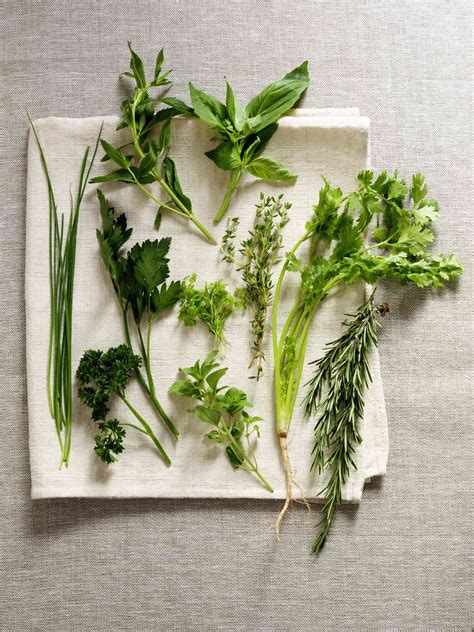
For herbs (cilantro, parsley, basil), trim the ends and place them upright in a glass of water, much like a bouquet, covering loosely with a plastic bag. For basil, store at room temperature; for most other herbs, refrigerate. Another method is to lightly dampen a paper towel, wrap the herbs, and store them in an airtight container in the fridge.
Berries: Delicate and Delicious
Berries (strawberries, blueberries, raspberries) are highly perishable. The golden rule is: do not wash them until you’re ready to eat them. Excess moisture encourages mold growth. Store them in their original container or a shallow, breathable container lined with a paper towel in the refrigerator. Consider a vinegar bath (one part white vinegar to three parts water) for a quick rinse just before storage, then thoroughly dry, as this can kill mold spores, but always dry completely!
Root Vegetables & Alliums: Cool and Dark
Potatoes, onions, and garlic thrive in a cool, dark, and well-ventilated pantry, away from sunlight and moisture. Never store potatoes and onions together, as onions emit ethylene gas, which will cause potatoes to sprout faster. Carrots, radishes, and beets should have their greens removed (the greens draw moisture from the roots) and then stored in an airtight container with a damp paper towel in the refrigerator. Parsnips and turnips can be stored similarly.
Tomatoes, Avocados & Bananas: Counter Then Fridge (Sometimes)
Tomatoes lose flavor and texture when refrigerated before they are fully ripe. Store firm, unripe tomatoes at room temperature on the counter, stem-side down, until they reach desired ripeness. Once ripe, you can refrigerate them to extend their life by a few days, though some flavor might be compromised. Avocados should also ripen on the counter; once ripe, transfer them to the fridge to slow further ripening. Bananas ripen quickly on the counter; refrigerate ripe bananas to slow browning, though the skin may darken.
Apples & Citrus: Versatile Storage
Apples are ethylene producers, so store them separately from sensitive produce. A cool, dark pantry is good for a week or two, but for longer storage (weeks to months), refrigerate them in a separate drawer or bag. Citrus fruits (lemons, limes, oranges, grapefruits) keep well at room temperature for about a week. For extended freshness, store them in the refrigerator’s crisper drawer, where they can last for several weeks.

Advanced Tips for Maximizing Produce Life
- First In, First Out (FIFO): Always use older produce before new purchases to prevent anything from going bad at the back of the fridge.
- Don’t Wash Until Use: As a general rule, avoid washing most produce until just before you’re ready to cook or eat it. The exception is when specific storage methods require pre-washing and thorough drying (e.g., leafy greens).
- Consider Freezing: For produce nearing its end, blanching and freezing can extend its life significantly for use in smoothies, soups, or stir-fries. Berries, chopped peppers, corn, and blanched broccoli/cauliflower freeze beautifully.
- Airtight Containers: Invest in quality airtight containers. They help maintain humidity levels and protect produce from odors and dehydration.
Conclusion: Reduce Waste, Enhance Meals
By implementing these simple yet effective food storage strategies, you’ll significantly prolong the vibrancy and freshness of your fruits and vegetables. This not only translates to less food waste and more savings but also ensures that your daily real food meals are consistently packed with the best flavors and nutrients. A little knowledge and effort in the kitchen can go a long way in making healthy eating more sustainable and enjoyable.