



How to plate dishes to look as stunning as your ‘Visual Feeds’ recipes?
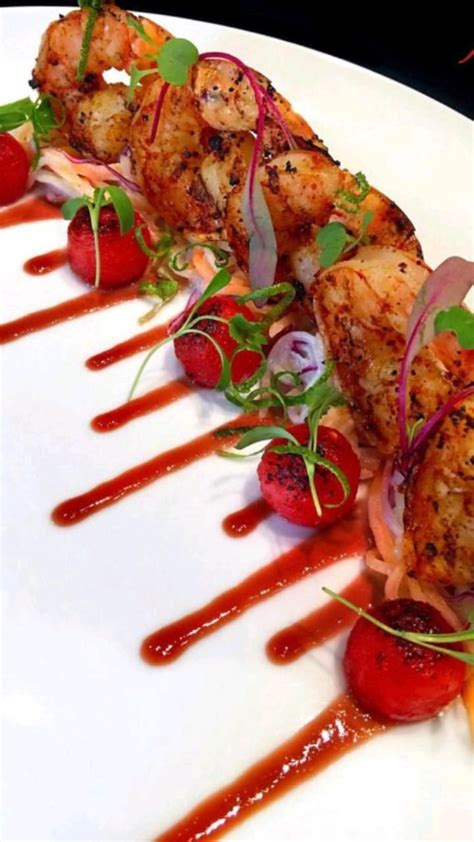
In the age of “visual feeds” and culinary influencers, a dish isn’t truly complete until it looks as good as it tastes. Whether you’re aiming to impress dinner guests or simply elevate your everyday meals, mastering the art of food plating can transform a delicious recipe into a stunning masterpiece. Gone are the days when taste was the sole arbiter; now, the eyes feast first.
The Foundation: Cleanliness and Canvas
Before you even think about placing a single ingredient, ensure your plate is immaculately clean. Smudges, drips, or fingerprints can instantly detract from an otherwise beautiful presentation. Think of your plate as a blank canvas – the cleaner it is, the more your edible art will shine. Opt for simple, solid-colored plates that won’t compete with the food itself, allowing your ingredients to be the star.

Mastering Color and Contrast
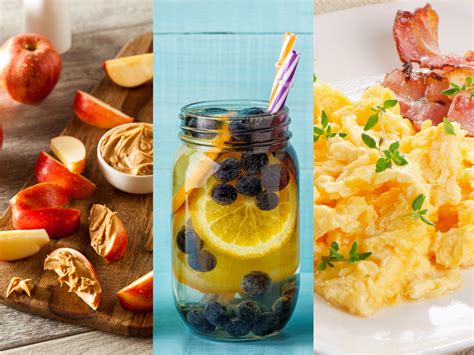
Color is one of the most powerful tools in your plating arsenal. Aim for a vibrant palette that offers visual interest and contrast. If your main ingredient is monochromatic, consider adding pops of color through garnishes like fresh herbs, vibrant purées, or colorful vegetables. Think about complementary colors on the color wheel – for example, a bright green pesto against a red tomato sauce, or a golden-brown roast alongside vivid purple cabbage.
Building Height and Texture
Flat dishes can look uninspired. Introduce height to your presentation by stacking components, leaning elements against each other, or using molds to create defined shapes. For instance, a neatly stacked risotto tower or a piece of fish gently propped against a vegetable purée immediately adds a professional touch. Texture is equally important; combine soft elements with crunchy ones (e.g., crispy fried onions on a creamy soup, or toasted nuts on a salad) to create a multi-sensory experience that’s appealing to both the eye and the palate.
The Rule of Odds and Focal Points
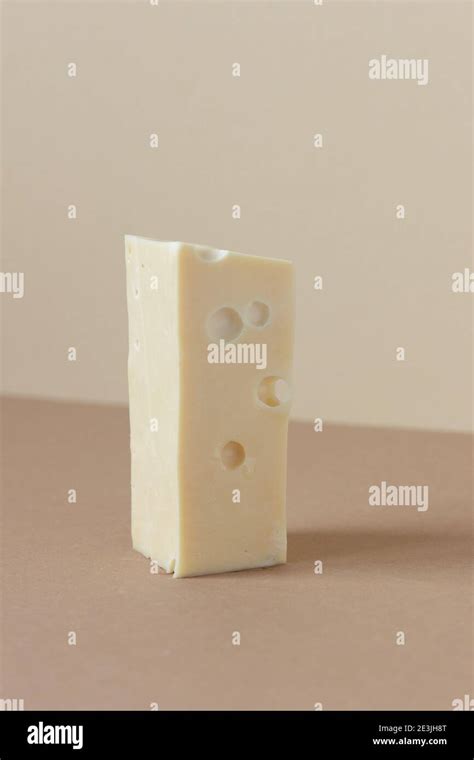
When arranging multiple small items (like scallops, cherry tomatoes, or asparagus spears), the “rule of odds” suggests that an odd number (3, 5, 7) is often more visually appealing and natural than an even number. This creates a sense of dynamic balance. Furthermore, every plate should have a clear focal point – the main star of your dish. Arrange other elements around it in a way that guides the diner’s eye towards this central piece, creating harmony and intention.
Strategic Saucing and Garnishes
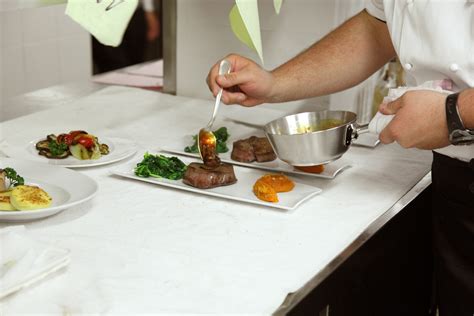
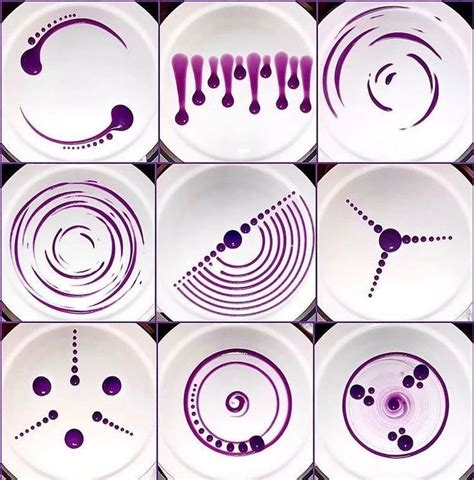
Sauces aren’t just for flavor; they’re integral to plating. Instead of drowning your dish, use sauces strategically. Drizzle them artfully, create swooshes with the back of a spoon, or place them in a small, deliberate pool. Garnishes should always enhance, not overwhelm. Fresh herbs (microgreens, chives, parsley), edible flowers, a sprinkle of spices, or a dash of flavored oil can provide that final flourish, adding freshness, color, and a professional touch without cluttering the plate.
- Microgreens: A delicate touch for any savory dish.
- Citrus Zest: Adds color and aromatic brightness.
- Toasted Seeds/Nuts: Provides crunch and visual interest.
- Edible Flowers: For a touch of elegance and color.
Practice Makes Perfect
Transforming your dishes into visual feasts takes practice, experimentation, and a keen eye. Start by consciously thinking about placement, color, and texture with every meal you prepare. Take inspiration from professional chefs and food stylists, but don’t be afraid to develop your own signature style. With each plating attempt, you’ll gain confidence and skill, turning every meal into a delicious work of art that truly lives up to the stunning “visual feeds” you admire.