




What’s your best visual tip for finding authentic local food spots on adventures?
The Unspoken Language of Authenticity: Visual Cues for Food Explorers
There’s an undeniable thrill in discovering a culinary gem that truly captures the essence of a place. Away from the tourist traps, finding authentic local food is often about more than just reading reviews; it’s about keen observation. While every traveler develops their own tricks, certain visual cues consistently point towards a genuine local experience. So, what’s the best visual tip? It boils down to one simple principle: follow the locals, but understand how to spot them.
The Golden Rule: Follow the Locals (Literally)
My number one visual tip is to look for queues or crowded dining areas predominantly filled with local patrons. Not just a few, but a significant majority. If a restaurant has a line out the door, especially during non-peak tourist hours (like a late lunch or early dinner), and you hear the local language being spoken, you’re likely onto something good. Locals know where the best food is, and they’re willing to wait for it. Their presence is the most reliable visual endorsement you can get.
Beyond the English Menu: Signs of a Genuine Establishment
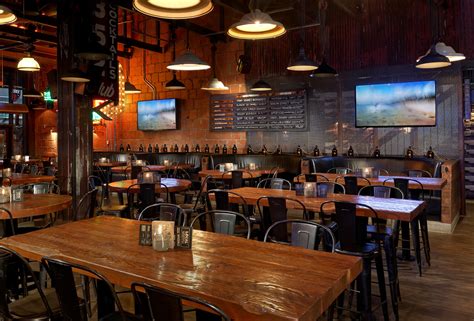
Another powerful visual indicator is the absence of multi-language menus (especially English prominently displayed) and aggressive touts outside. Authentic local spots often have simple, perhaps even hand-written, menus in the local language, sometimes with no pictures or only basic ones. The decor might be modest, practical, and show signs of wear, rather than being polished and overly themed for tourists. If a place feels like it hasn’t changed in decades, that’s often a very good sign of time-tested authenticity.
The Buzz of Markets and Street Stalls
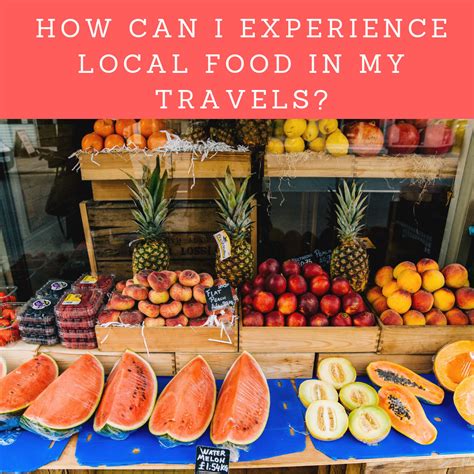
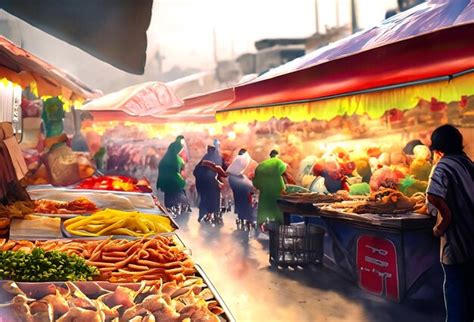
Expand your visual search beyond traditional restaurants. Often, the most authentic and delicious local food is found in vibrant markets or at bustling street food stalls. Look for vendors with a loyal following, who are busy cooking fresh ingredients right in front of you. Observe the cleanliness, the freshness of ingredients on display, and the speed at which food is being prepared and served. A vendor who sells out quickly often has a fantastic product.
Observe the Cooking Process and Tools
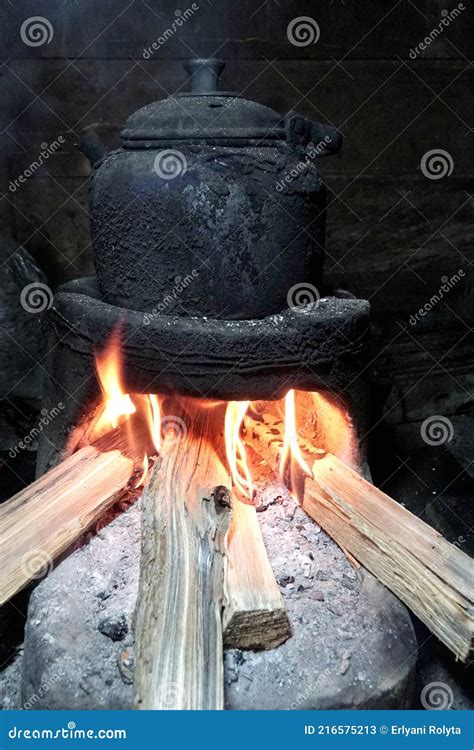
Pay attention to the cooking methods and equipment. Does the place have a visible traditional oven, a specific type of grill, or unique cooking tools indicative of local cuisine? Seeing chefs or cooks expertly handling fresh ingredients and employing traditional techniques can be a huge visual cue for authenticity. An open kitchen or a street stall where you can watch the entire process unfold often means they have nothing to hide and everything to show off.
The “Hidden Gem” Factor: Location, Location, Location
Finally, don’t be afraid to visually explore side streets and less-trafficked alleys. Authentic local eateries are frequently tucked away from the main thoroughfares, where rents are cheaper and they don’t need passing tourist trade to thrive. If a place requires a bit of an adventure to find, and it checks off some of the other visual cues (local patrons, local menus), you might have stumbled upon your next favorite discovery. Trust your eyes, and let the visual story of a place guide your culinary journey.