




How to achieve perfect sear on meats for maximum flavor?
The Quest for the Perfect Sear
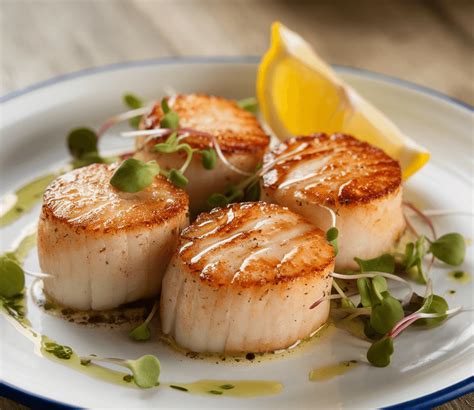
Achieving a perfect sear on your meat is a culinary holy grail, transforming a simple cut into a dish bursting with flavor and tantalizing texture. That crispy, browned crust isn’t just for aesthetics; it’s the gateway to unlocking complex, savory notes that elevate your cooking. This guide will walk you through the science and technique behind a flawless sear, ensuring every bite is a memorable experience.
Understanding the Maillard Reaction
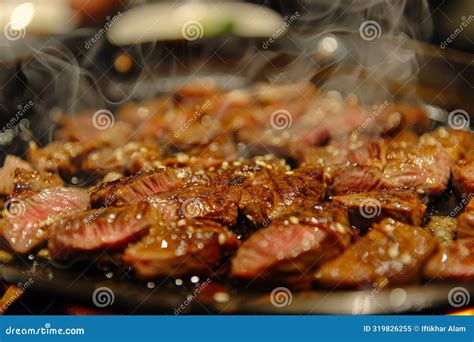
The magic behind a perfect sear is a chemical process known as the Maillard Reaction. This reaction occurs when amino acids and reducing sugars in the meat are subjected to high heat, creating hundreds of new flavor compounds and the desirable browning. It’s distinct from caramelization, which involves sugars alone. For the Maillard Reaction to truly sing, several conditions must be met, primarily high heat and a dry surface.
Essential Steps for Searing Success
1. Choose the Right Cut and Prepare It
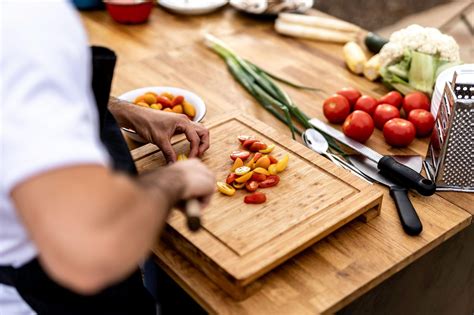
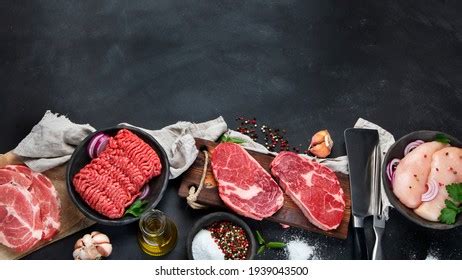
While almost any meat can benefit from searing, thicker cuts (1 to 1.5 inches) like steaks, pork chops, and chicken breasts are ideal as they allow for a deep crust without overcooking the interior. Before searing, always pat your meat thoroughly dry with paper towels. Moisture is the enemy of searing; it creates steam, preventing the Maillard Reaction. Bring your meat to room temperature for about 30-60 minutes before cooking to ensure even cooking and prevent a cold center.
Season generously with salt and pepper just before cooking. Salt helps draw out moisture initially, but given time, it reabsorbs and aids in flavor penetration. Consider adding other dry rubs or spices that complement your chosen meat.
2. Select Your Equipment Wisely
A heavy-bottomed pan is non-negotiable for searing. Cast iron skillets are king due to their excellent heat retention and even distribution. Stainless steel pans are also good, but avoid non-stick pans as they typically can’t withstand the high temperatures required for a proper sear without degrading their coating.
For fat, choose an oil with a high smoke point, such as grapeseed oil, avocado oil, canola oil, or refined sunflower oil. Olive oil’s smoke point is too low and will burn, imparting a bitter flavor.
3. The Searing Process: Heat, Oil, Meat
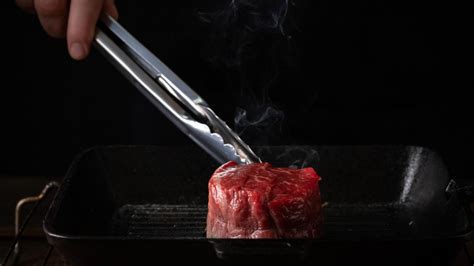
Place your pan over high heat and let it preheat for several minutes until it’s smoking hot. You should see wisps of smoke just before adding oil. Add a thin layer of high smoke point oil, just enough to coat the bottom of the pan. Let the oil heat until it shimmers and begins to show light smoke.
Carefully place your meat into the hot pan. Do not overcrowd the pan; sear in batches if necessary. Overcrowding lowers the pan’s temperature and steams the meat instead of searing it. Once the meat hits the pan, resist the urge to move it. Let it cook undisturbed for 2-4 minutes, depending on thickness and desired crust level. You can lift a corner slightly to check for browning. Once a deep golden-brown crust has formed, flip the meat.
4. Finishing and Resting
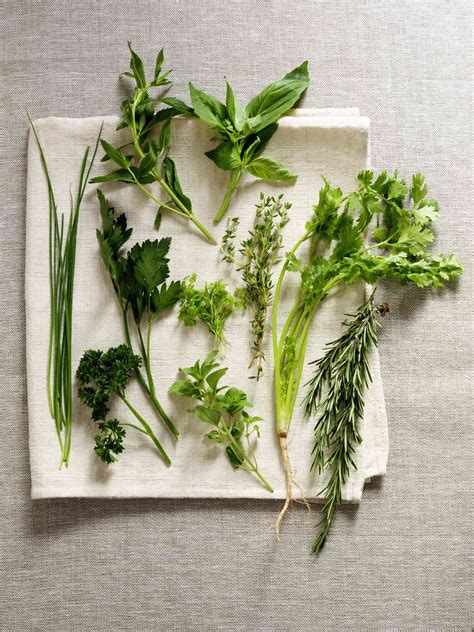
After flipping, you can reduce the heat to medium and continue cooking until your desired internal temperature is reached. For thicker cuts, you might transfer the pan to a preheated oven (around 375°F/190°C) to finish cooking through without burning the exterior. Basting with butter, garlic, and herbs during the last few minutes can add another layer of flavor.
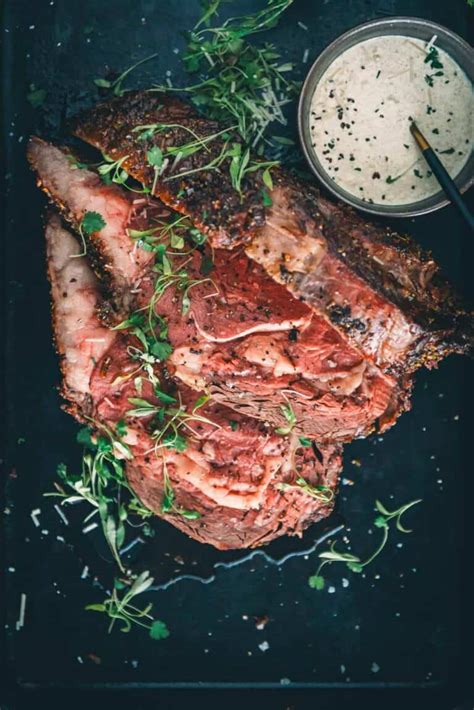
Once cooked, transfer the meat to a cutting board or plate and let it rest for at least 5-10 minutes. This crucial step allows the juices, which have been pushed to the center by the heat, to redistribute throughout the meat, ensuring every bite is moist and tender.
Troubleshooting Common Searing Mistakes
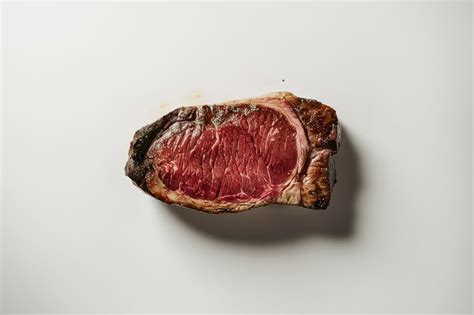
- No Crust: Pan not hot enough, meat not dry enough, or overcrowding the pan.
- Burnt Crust: Pan too hot, oil with too low a smoke point, or cooking for too long without checking.
- Uneven Sear: Uneven pan heating (invest in a better pan) or meat not uniformly flat (press down gently with tongs).
Conclusion
A perfect sear is more than just a cooking technique; it’s an art form that transforms humble ingredients into culinary masterpieces. By understanding the Maillard Reaction, meticulously preparing your meat, and executing with confidence, you can achieve that irresistible golden-brown crust and maximize the flavor of any cut. Practice makes perfect, so don’t be afraid to experiment and enjoy the delicious results!