



What plating/lighting techniques optimize Visual Bites for ultimate foodie appeal & sharing?
Crafting Shareable Culinary Art: The Science of Visual Bites
In the vibrant world of gastronomy, where every meal is a potential story, a dish isn’t truly complete until it’s been photographed and shared. “Visual Bites” are more than just food; they are edible art designed for maximum digital appeal. Mastering sophisticated plating and lighting techniques is crucial for transforming a delicious meal into a viral sensation, captivating foodies and driving engagement across social media platforms.
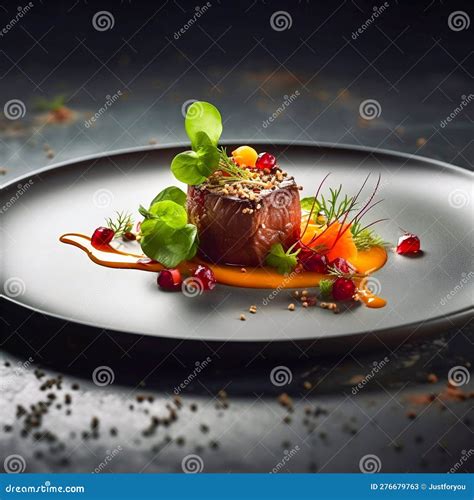
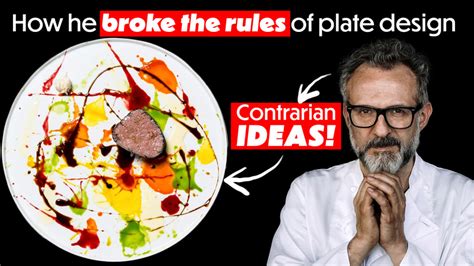
Plating for Perfection: Designing Your Edible Masterpiece
The foundation of a compelling Visual Bite lies in its presentation. Thoughtful plating elevates a simple dish into an artistic statement. Consider these elements:
Composition & Focus
- The Rule of Thirds: Position the star of your dish slightly off-center to create dynamic interest and a sense of balance.
- Negative Space: Utilize empty areas strategically to make your key ingredients pop and avoid a cluttered, overwhelming look.
Color & Texture
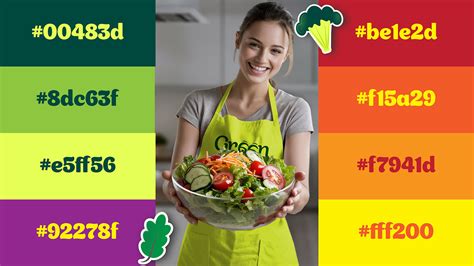
- Vibrant Palettes: A diverse and vibrant color palette is instantly appealing. Combine contrasting colors (e.g., a bright green garnish on a rich red sauce) to add visual punch.
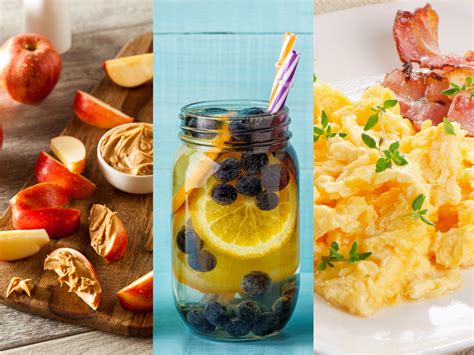
- Varied Textures: Incorporate different textures – crispy, creamy, crunchy – to add depth, intrigue, and a sense of luxury to the dish.
Height & Layers
- Building Upwards: Create visual interest and dimension by arranging dishes with height. Think about layering ingredients rather than just spreading them flat. A delicate stack of pancakes or a perfectly arranged salad adds sophistication.
Garnishes & Drizzles
- Finishing Touches: These are the details that elevate a dish from good to gourmet. A sprinkle of fresh herbs, a swirl of sauce, or a dusting of powdered sugar can make a significant impact. Ensure garnishes are fresh, relevant, and thoughtfully placed, enhancing rather than overwhelming the main components.

Illuminating Your Culinary Creation: Mastering Light
Lighting is arguably the most critical element in food photography, defining mood, highlighting textures, and enhancing colors. The right lighting can make your food irresistible.
Natural Light is King
- Window Wonders: Whenever possible, use natural light. Position your dish near a window, but avoid direct, harsh sunlight which can create overexposed spots and strong, unflattering shadows. A sheer curtain or diffuser can soften the light beautifully.
Understanding Light Direction
- Backlighting: Placing the light source directly behind the dish creates a stunning rim light effect. This makes the food glow and highlights textures, especially liquids or translucent elements, adding a magical quality.
- Side Lighting: Light coming from the side adds depth and dimension by creating soft, flattering shadows that emphasize contours and textures. This is often the most versatile and appealing direction for food.
- Avoid Direct Front Lighting: This can flatten the image, making food look less appealing and losing valuable texture.
Artificial Lighting & Diffusers
- Mimicking Nature: When natural light isn’t available, softboxes, LED panels, or even a ring light can effectively mimic its quality.
- Softening the Source: Always use diffusers (like parchment paper, a softbox, or a professional diffuser) to soften artificial light and prevent harsh reflections or hot spots. A white foam board on the opposite side can act as a reflector, bouncing light back into the shadows.
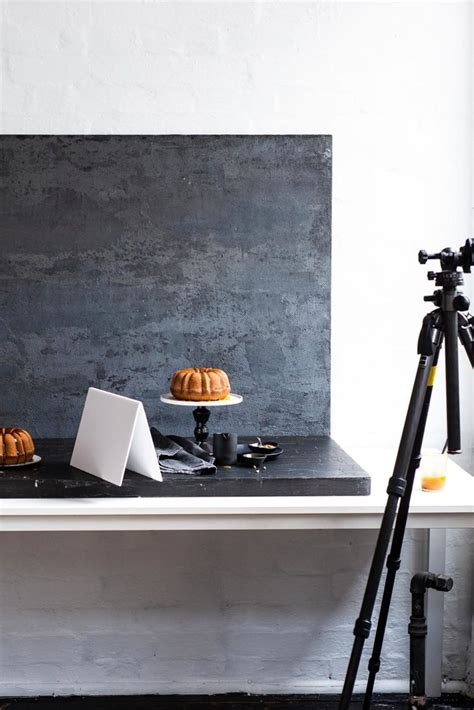
Backgrounds, Props & Angles: Setting the Scene
Beyond the food itself, the surrounding environment plays a vital role in the overall aesthetic of your Visual Bite.
Choose Wisely
- Uncluttered Focus: Simple, clean, and uncluttered backgrounds allow the food to be the undisputed star. Think rustic wooden boards, plain linen, marble, or minimalist tabletops. Avoid busy patterns or vibrant colors that distract from the main subject.
Strategic Props
- Less is More: Minimalist props like elegant cutlery, a simple napkin, a complementary beverage, or a few scattered ingredients can enhance the narrative without overshadowing the food. Ensure props are relevant to the dish and don’t compete for attention.
Angles for Impact
Experiment with various photographic angles to find the most flattering perspective:
- Overhead (Flat Lay): Ideal for showcasing an entire spread, intricate patterns (like latte art), or dishes with appealing toppings.
- 45-Degree Angle: A classic and versatile angle, mimicking how we naturally view a plate. It’s excellent for showing depth and dimension in most dishes.
- Eye-Level: Best for dishes with significant height, such as towering burgers, stacked desserts, or layered drinks, emphasizing their grandeur and structure.

The Power of Post-Production: Polishing Your Visual Bite
Even the most perfectly composed and lit shot can benefit from a little polish in post-production. While the goal isn’t to create something artificial, subtle enhancements can make a significant difference. Apps like Lightroom Mobile, Snapseed, or VSCO allow you to fine-tune brightness, contrast, saturation, and sharpness. A slight boost in clarity, correction of white balance, and a subtle vignette can make your “Visual Bite” truly pop, transforming it into an irresistible, shareable masterpiece.
Conclusion: From Plate to Pixel – The Art of Shareable Food
Transforming food into a highly shareable “Visual Bite” is an evolving art form that expertly combines culinary skill with photographic prowess. By meticulously mastering the nuances of plating and lighting, understanding thoughtful composition, and leveraging subtle post-production techniques, you can ensure your dishes not only taste divine but look absolutely spectacular. Embrace these strategies to captivate the eyes and appetites of foodies across the globe, turning every meal into a memorable digital experience.