



Optimal Visual Bite format for quick recipe hacks foodies can instantly try?
In today’s fast-paced digital world, foodies are constantly seeking inspiration that is not only delicious but also quick to consume and easy to implement. The concept of ‘Visual Bites’ has emerged as the go-to solution for sharing rapid recipe hacks, allowing culinary enthusiasts to absorb complex instructions in mere seconds. But what constitutes the optimal format for these visual snippets to truly capture attention and drive action?
The Power of Visual Storytelling in Recipes
Gone are the days when lengthy written recipes held sole dominion. Modern consumers, especially the digitally native generation, prioritize visual learning and instant gratification. A well-crafted visual bite transforms a daunting recipe into an achievable mini-project, breaking down barriers to culinary experimentation. The key lies in conveying maximum information with minimal effort from the viewer.
This approach taps into the psychology of quick decision-making, where aesthetics and immediate comprehension play a pivotal role. For foodies, a visually appealing and easy-to-follow hack can mean the difference between scrolling past and hitting ‘save’ or ‘share’.

Key Characteristics of Optimal Visual Bites
An effective visual bite format for recipe hacks must embody several core characteristics to succeed:
Speed and Brevity
The entire hack should be digestible in under 60 seconds, ideally even shorter. This means cutting out all unnecessary preamble and focusing purely on the action and key ingredients.
Clarity and Simplicity
Each step must be crystal clear, without ambiguity. Simple, high-contrast text overlays and clear demonstrations are paramount. Avoid overly complex camera angles or rapid cuts that can confuse the viewer.
High Visual Appeal
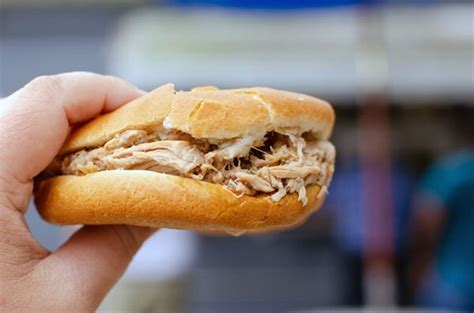
Food is inherently visual. Excellent lighting, vibrant colors, and aesthetically pleasing plating (even for a ‘hack’) enhance engagement. The final product should look delicious and attainable.
Popular and Effective Formats
Several formats excel at delivering quick recipe hacks:
Short-Form Video (TikTok, Instagram Reels)
This is arguably the most dominant format. Vertical videos, typically 15-60 seconds, can demonstrate an entire process from start to finish. Key elements include:
- Fast Pacing: Quick cuts between steps.
- Text Overlays: For ingredients and key instructions.
- Engaging Audio: Trending sounds, upbeat music, or clear voiceovers.
- Final Product Reveal: A mouth-watering shot at the end.
Infographics and Carousel Posts (Instagram, Pinterest)
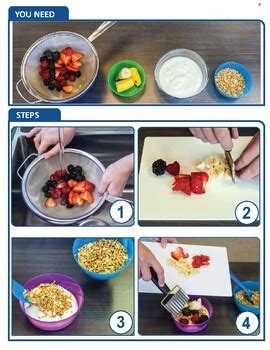
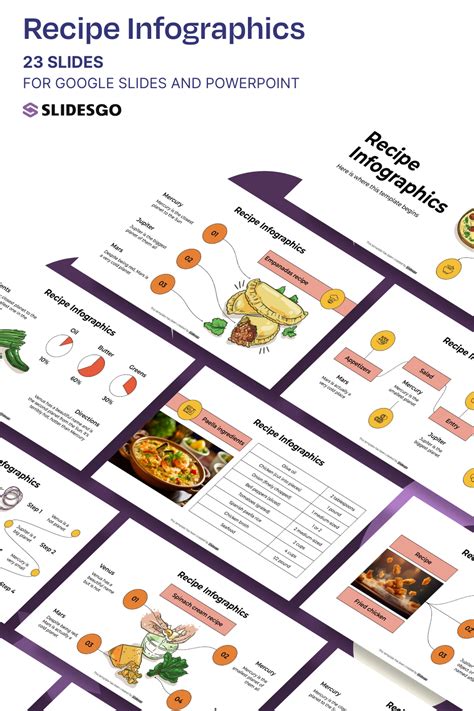
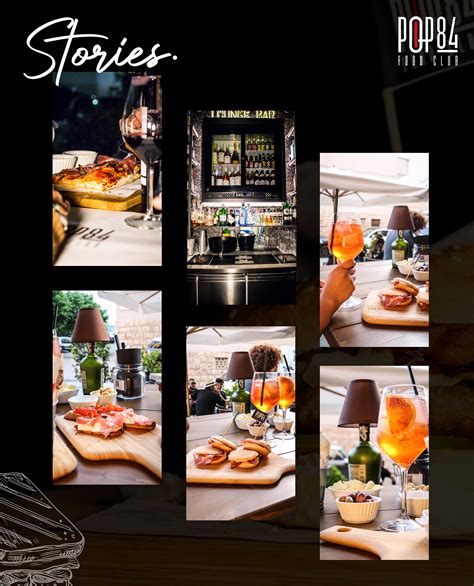
For hacks that benefit from a step-by-step visual guide without video, static image carousels or single-slide infographics are highly effective. Each slide can represent one step or a set of ingredients. Pinterest, in particular, thrives on visually rich, easily shareable infographics.
- Numbered Steps: Clear progression.
- Minimal Text: Focus on visuals, supplement with concise instructions.
- Consistent Branding: For creator recognition.
Animated Gifs or Boomerangs
For very simple, single-action hacks (e.g., ‘how to peel garlic quickly’), a short looping GIF or Boomerang can be incredibly effective and shareable, requiring no sound and minimal data.
Tips for Creating Irresistible Visual Bites
- Start with the Hook: Grab attention in the first 2-3 seconds, perhaps with the final dish or a surprising technique.
- Show, Don’t Just Tell: Visually demonstrate every crucial step. Text should support, not replace, the visual.
- Clear Call to Action: Encourage saving, sharing, or trying the recipe.
- Utilize Trending Elements: Incorporate popular sounds or visual styles from the platform you’re using.
- Optimize for Mobile: Most users will view on a smartphone, so ensure readability and clarity on small screens.
Measuring Success and Adapting
The optimal format isn’t static; it evolves with audience preferences and platform changes. Track metrics like view duration, shares, saves, and comments. Pay attention to what aspects of your visual bites resonate most with your audience and be prepared to experiment with different lengths, visual styles, and narrative approaches. A/B testing variations can reveal what truly captures your audience’s attention.
Ultimately, the best visual bite format for quick recipe hacks is one that prioritizes the viewer’s experience: making it fast, fun, and foolproof to discover and try new culinary tricks. By focusing on brevity, clarity, and visual appeal, creators can ensure their hacks not only get seen but also inspire real-world cooking.