



Visual Bites: How to ensure consistent, drool-worthy food photography quality?
The Quest for Drool-Worthy Consistency
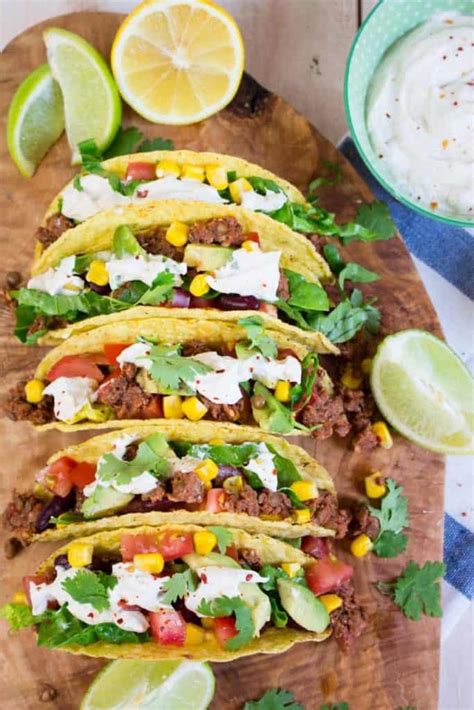
In the highly visual world of food blogging, restaurant menus, and social media, stunning food photography isn’t just a luxury—it’s a necessity. But beyond capturing a single appetizing shot, the real challenge lies in maintaining a consistent level of quality that makes every image ‘drool-worthy’ and unmistakably yours. Consistency builds trust, reinforces brand identity, and keeps your audience coming back for more visual bites. So, how do you move from hit-or-miss photos to a reliably mouth-watering portfolio?
1. Master Your Planning and Preparation
Great food photography begins long before the shutter clicks. It starts with a clear vision and meticulous planning. Define your style, target audience, and the story you want to tell with each dish. Consider the props, backgrounds, and tableware that will complement, not distract from, the food. Create a shot list and a mood board to ensure every element aligns with your aesthetic and brand.
This pre-visualization phase helps in standardizing your approach, ensuring that regardless of the dish, there’s a cohesive visual language across your work. Having a go-to collection of backdrops and props, and understanding how they interact with different food types, is crucial for building a consistent visual identity.

2. Harness the Power of Light
Lighting is arguably the most critical element in food photography. It dictates mood, texture, and the overall appeal of your dish. Consistent quality hinges on consistent lighting. Whether you prefer natural light or artificial setups, understanding how light interacts with food is paramount.
For natural light, identify the best window in your space and learn to work with its changing intensity throughout the day. Diffuse harsh sunlight and use reflectors to fill in shadows. If using artificial light, invest in reliable strobes or continuous lights and establish a repeatable setup. This might involve a softbox, reflectors, and flags to control spill. Documenting your lighting setup for different scenarios can be an invaluable tool for ensuring uniformity.
3. The Art of Styling and Composition
Food styling is what transforms a dish into a visual masterpiece. It’s about making the food look its absolute best, fresh, and inviting. Pay attention to plating—think about negative space, leading lines, and the rule of thirds. Use garnishes strategically to add pops of color and texture without overcrowding the plate. Keep ingredients fresh and vibrant, and ensure sauces are glossy, not congealed.
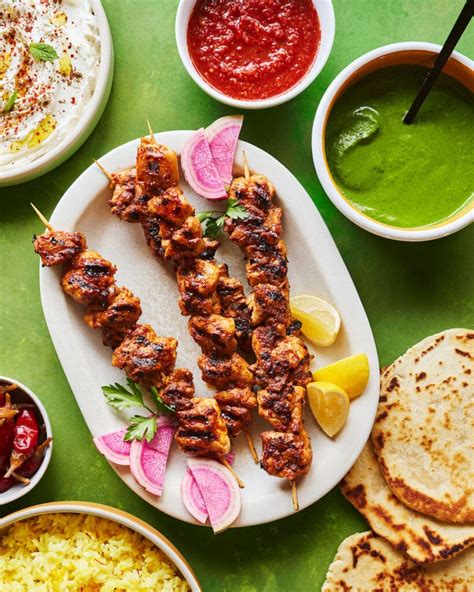
Consistent styling means developing a signature approach to how you arrange and present food. This could be minimalist, rustic, or opulent, but it should be recognizable as your own. Practice different angles and compositions to find what best showcases various types of food, and stick to a few tried-and-true techniques to maintain visual flow across your portfolio.
4. Technical Precision and Camera Settings
While artistic vision is key, technical execution provides the foundation for consistent quality. Understand your camera’s settings—aperture, shutter speed, ISO, and white balance—and how they impact your final image. A shallow depth of field (low f-number) is popular for isolating food, but sometimes a deeper focus is needed for context. Consistently sharp images with accurate exposure are non-negotiable.
Using a tripod is highly recommended to eliminate camera shake and ensure consistent angles and framing, especially when shooting multiple dishes or sequences. Calibrating your white balance and aiming for consistent color temperature across all shoots will save significant time in post-production and ensure a uniform look.

5. Develop a Consistent Post-Production Workflow
Post-processing is where you refine your images and inject that final touch of magic that makes them truly drool-worthy. It’s also a critical stage for ensuring consistency. Develop a standardized workflow for editing. This might involve a specific sequence of adjustments for exposure, contrast, white balance, saturation, and sharpening. Using presets can be a game-changer for maintaining a consistent look and feel across all your photographs.
Learn to color correct accurately, remove minor imperfections, and ensure that the food’s colors are true-to-life and vibrant without being oversaturated. A consistent editing style becomes part of your visual signature, reinforcing your brand and making your images instantly recognizable.

6. Practice, Review, and Evolve
Like any skill, mastery in food photography comes with continuous practice and critical self-review. Regularly analyze your work—what’s working, what’s not, and how can you improve? Seek feedback from peers or mentors. Stay updated with current trends and techniques, but always filter them through your unique style to maintain authenticity. Building a personal style guide or a set of benchmarks for your work can help you consistently hit those high-quality marks.
Conclusion
Ensuring consistent, drool-worthy food photography quality is an ongoing journey of learning and refinement. By meticulously planning, mastering light, refining your styling, embracing technical precision, streamlining your post-production, and committing to continuous improvement, you can elevate your visual storytelling and establish a recognizable, delicious aesthetic that leaves viewers craving more.