



What visual cues indicate perfect doneness and texture in diverse recipes?

The art of cooking often transcends mere adherence to recipes and timing; a keen eye for visual cues is paramount for achieving perfect doneness and texture across a diverse range of dishes. Learning to interpret what your food is “telling” you can elevate your culinary skills from simply following instructions to intuitive mastery.
Mastering Meats: Color, Juices, and Surface
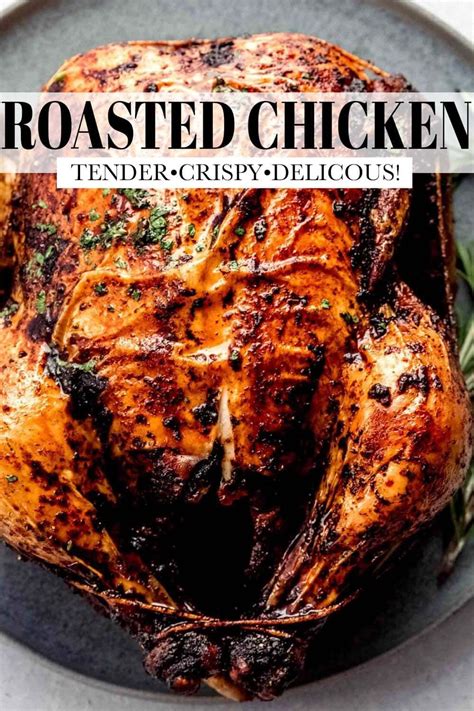
For red meats like beef and lamb, the degree of doneness is largely indicated by the internal color and the firmness to the touch. A rare steak will be bright red inside, medium-rare pink, and well-done grey-brown. The exterior should have a rich, caramelized crust from proper searing, known as the Maillard reaction. For poultry, look for golden-brown, crispy skin and opaque, white flesh when cut open. Crucially, the juices should run clear, indicating that the meat is cooked through and safe to eat, without being dry.
Seafood Sensations: Flake and Opacity
Cooking fish requires a delicate touch, and visual cues are key to avoiding overcooking. Raw fish is often translucent; as it cooks, it turns opaque and firm. For fillets, look for the flesh to become uniformly white or pale pink and for it to flake easily with a fork at its thickest part. Shrimp and scallops transform from greyish to a vibrant pink or white, coiling slightly as they firm up.
Baked Goods: Golden Crusts and Cracks
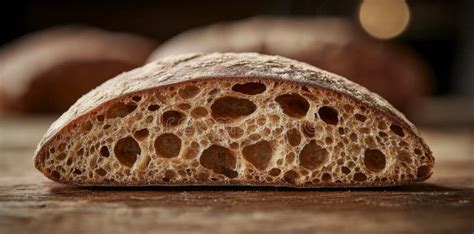
Baking is a science where visual indicators are indispensable. Breads and cakes are typically done when they achieve a golden-brown crust and spring back when lightly touched in the center. Some breads, like sourdough, develop beautiful, deep-brown crusts with distinct cracks. Cookies are often ready when their edges are golden and set, while the centers remain slightly soft, firming up as they cool. For pies, a bubbling, thickened filling and a golden-brown, flaky crust are signs of perfection.
Vibrant Vegetables: Brightness and Tender-Crisp
The visual signs of perfectly cooked vegetables vary widely. Blanched green vegetables, such as asparagus or broccoli, should emerge with an intensely bright green color and a tender-crisp texture. Roasted vegetables develop caramelized edges and a slight char, becoming tender throughout. Onions, when properly caramelized, transform into a deep, rich brown color, becoming wonderfully sweet and soft.
Sauces, Soups, and Grains: Thickness and Bloom
In sauces and soups, visual cues often relate to consistency and sheen. A well-reduced sauce will coat the back of a spoon and have a glossy appearance, with bubbles that are slower and thicker. Soups are ready when ingredients are tender and flavors have melded, often accompanied by a slight reduction in volume. For starches, perfectly cooked pasta is al dente, meaning it has a slight bite and no raw, white core when cut. Rice should have separate, fluffy grains, not a sticky, mushy mass.
The Art of Observation: Beyond the Clock
While timers and thermometers are valuable tools, they are complements to, not replacements for, keen observation. Understanding the specific visual cues for each ingredient and dish type comes with practice and familiarity. It’s about learning to trust your senses—not just sight, but also smell and even the subtle sounds of cooking—to make informed decisions about when your food has reached its peak.
Conclusion
Developing a keen eye for these subtle transformations is a cornerstone of great cooking. By paying close attention to color changes, surface textures, and the way liquids interact with solids, you can consistently achieve delectable results, transforming your home cooking from mere instruction following to intuitive artistry.