



How to plate healthy meals to make them visually irresistible for real foodies?

Why Visual Appeal Matters for Healthy Eating
For true foodies, dining is an experience that engages all senses. While taste and aroma are paramount, the visual presentation of a dish often sets the initial expectation and can significantly enhance enjoyment. This holds true even, or perhaps especially, for healthy meals. Too often, nutritious food gets a bad rap for being bland or unappetizing to look at. However, with a few simple plating techniques, you can elevate your healthy creations from wholesome to visually irresistible, proving that good-for-you food can also be stunningly beautiful.
Plating isn’t just about making food pretty; it’s about thoughtful composition that guides the eater through the meal. It can make a simple salad feel gourmet or a hearty grain bowl look like a work of art. Let’s dive into the practical strategies to turn your healthy meals into a feast for the eyes.
The Canvas: Choosing Your Plates and Bowls
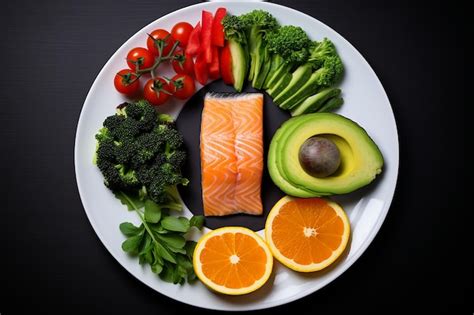
The vessel you choose for your food is the stage for your culinary creation. Opt for simple, classic dinnerware that won’t compete with the colors and textures of your meal. White plates are often preferred by chefs because they make colors pop and allow the food to be the star. Consider the size as well; a plate that’s too large can make a healthy portion look sparse, while one that’s too small might appear overcrowded.
- White or Neutral Tones: These provide a clean backdrop, allowing the natural vibrancy of healthy ingredients to shine.
- Appropriate Size: Use plates that allow for some negative space around your food, giving it room to breathe and appear more elegant.
- Variety of Shapes: Don’t be afraid to experiment with square plates, deep bowls, or even slate tiles for different dishes to add interest.
Playing with Color and Texture
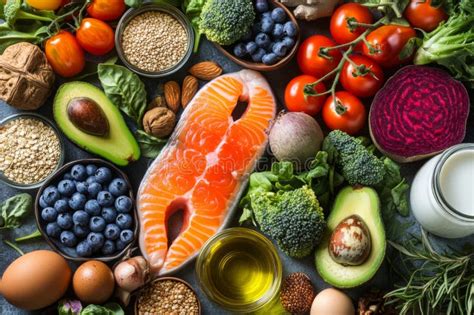
Healthy food is naturally rich in color and texture, making it a dream for plating! Embrace the rainbow that nature provides. Think about how different colors interact and how varying textures can create excitement on the plate.
Create a Colorful Medley
A monochromatic plate can be visually dull. Aim for at least three different colors in your dish. For instance, a green salad can be brightened with red bell peppers, orange carrots, purple cabbage, and a sprinkle of white feta or black sesame seeds. The more natural colors you include, the more nutrient-dense your meal likely is!
Introduce Textural Contrast
Texture adds another layer of sensory pleasure. Combine crunchy elements (nuts, seeds, croutons, crisp vegetables) with soft ones (purees, cooked grains, tender proteins) and smooth sauces. This contrast makes each bite more engaging and visually dynamic.
Arrangement and Composition: The Art of Placement
How you arrange components on the plate is crucial. Think of your plate as a clock face or a painter’s canvas. There are a few fundamental principles that can guide your composition.
The Rule of Thirds and Odd Numbers
Just like in photography, the rule of thirds can be applied to food plating. Imagine dividing your plate into a 3×3 grid and placing key elements along the lines or at the intersections. Often, arrangements look more natural and appealing when there are odd numbers of items (e.g., three asparagus spears instead of two or four).
Building Height and Layers
Flat food can look uninspired. Create visual interest by building up your ingredients. Stack components like grilled vegetables, layer proteins over grains, or lean elements against each other. This adds a professional touch and makes the dish seem more substantial and inviting.
Utilize Negative Space
Don’t feel the need to fill every inch of the plate. Strategic negative space (empty areas) allows the eye to rest and highlights the carefully placed elements. It creates a sense of elegance and sophistication.

The Finishing Touches: Garnish and Drizzle
Once your main components are arranged, it’s time for the details that elevate the entire presentation.
The Power of Garnishes
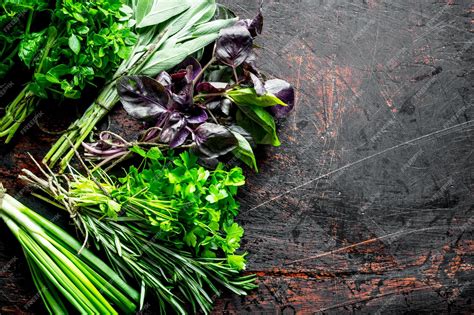
A fresh garnish can instantly brighten a dish. Think about adding:
- Fresh Herbs: A sprig of parsley, cilantro, dill, or basil adds color, aroma, and a touch of freshness.
- Citrus Zest/Wedges: Brightens flavors and adds a pop of color.
- Toasted Nuts/Seeds: Adds crunch and a refined look.
- Edible Flowers: For a truly gourmet and delicate touch.
Remember, a garnish should always be edible and complement the dish’s flavor profile.
Drizzles and Sauces
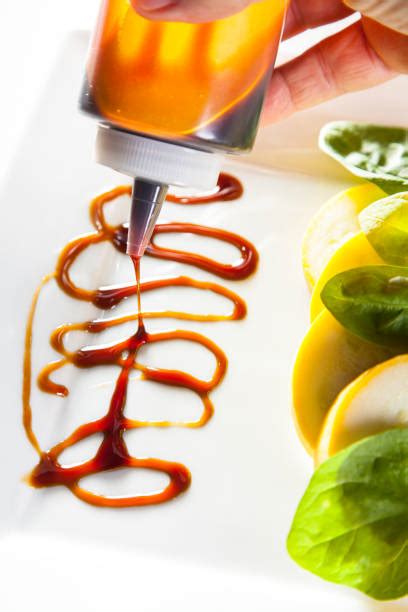
A beautifully executed drizzle of sauce, vinaigrette, or even a swirl of yogurt can tie a dish together visually and culinarily. Use squeeze bottles or a spoon to create controlled lines, dots, or swirls. Be mindful not to drown your healthy ingredients; a little goes a long way to add moisture and visual appeal without excess calories.
Finally, always clean the rim of your plate with a damp cloth or paper towel before serving. A spotless plate communicates care and attention to detail, making the dining experience even more enjoyable for any real foodie.
Conclusion: Eat with Your Eyes, Nourish Your Body
Plating healthy meals is an enjoyable and rewarding process that transforms everyday eating into an art form. By paying attention to simple details like plate choice, color and texture contrast, thoughtful arrangement, and elegant garnishes, you can make your nutritious dishes not just palatable but truly irresistible. Embrace the visual aspect of food preparation, and you’ll find that healthy eating becomes an even more delightful and satisfying journey for you and your fellow foodies.