



How to adapt recipes for stunning visuals using seasonal ingredients?
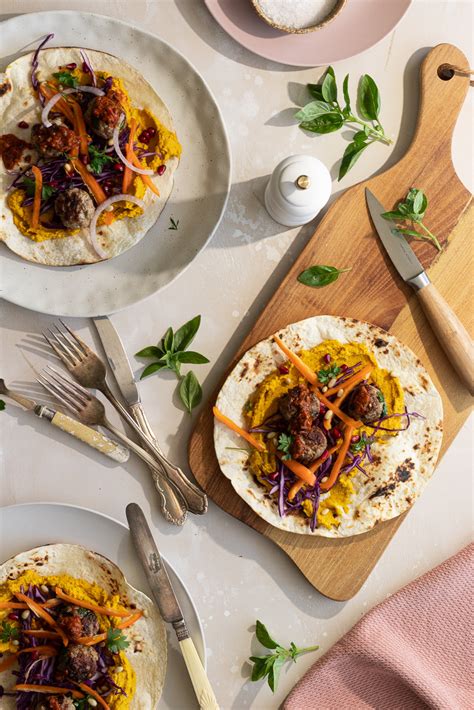
Creating food that tastes amazing is a chef’s primary goal, but presenting a dish that looks equally incredible transforms a meal into an experience. In the age of visual sharing, mastering the art of food presentation has become an essential skill for home cooks and professionals alike. The secret weapon for achieving truly stunning visuals often lies in the thoughtful use of seasonal ingredients.
The Power of Seasonal Ingredients
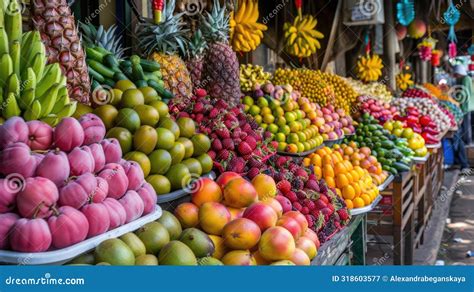
Seasonal ingredients are nature’s gift to the visually-minded cook. They are at their peak freshness, flavor, and, crucially, their most vibrant color. A strawberry picked in summer boasts a richer red than one forced out of season, and asparagus in spring has a brighter green and crisper snap. Using ingredients at their prime means you’re starting with the best possible building blocks for visual appeal. Their inherent beauty requires less manipulation to shine.
Furthermore, seasonal produce often comes with unique textures and shapes that can add dynamic interest to your plate. Think of the intricate patterns of Romanesco broccoli or the delicate petals of edible flowers available in spring and summer. Incorporating these elements naturally enhances the aesthetic of any dish.
Understanding Your Visual Palette
Just like a painter, a chef works with a palette of colors, textures, and forms. To adapt a recipe for stunning visuals, begin by deconstructing its existing visual elements. What are the dominant colors? Is there enough contrast? What textures are present, and could more be introduced for excitement? Consider the dish as a canvas:
- Color: Aim for variety and balance. Use complementary colors, or embrace a monochromatic theme with varying shades.
- Texture: Introduce contrasts – soft and crunchy, smooth and jagged.
- Shape: Vary the cuts and forms of your ingredients to create interest.
- Height and Dimension: Build up rather than spread out to add drama.
Adapting Recipes for Visual Impact
Embrace Color Variation
Look for opportunities to swap ingredients for more colorful alternatives. For example, if a recipe calls for plain white onions, consider using red onions for a pop of purple or spring onions for a splash of green. Transform a simple chicken and rice dish by adding saffron for a golden hue, or stir in chopped cilantro and red bell peppers for vibrant contrast.
Focus on Texture and Shape
Texture adds depth and sensory appeal. Can you add toasted nuts or seeds for crunch to a soup? How about thinly shaved radishes or cucumber for a delicate crispness? Instead of just dicing vegetables, try julienning some, using a mandoline for paper-thin slices, or even a vegetable peeler for ribbons. These varied shapes create visual intrigue.
Strategic Plating Techniques
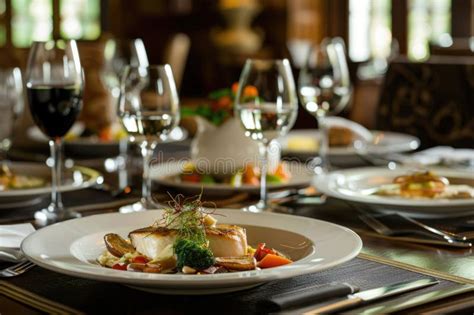
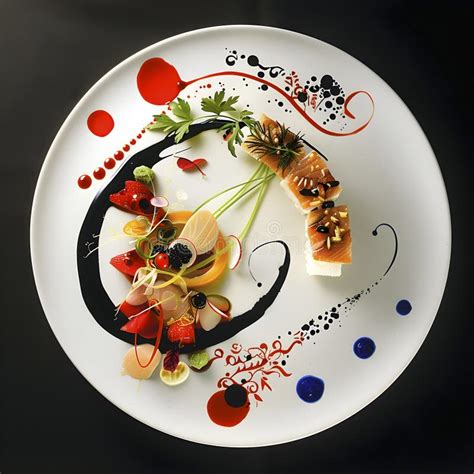
Plating is where the visual magic truly happens. Consider the rule of odds (arranging items in odd numbers), using negative space to let ingredients breathe, and focusing on a focal point. A drizzle of a contrasting sauce, a sprinkle of fresh herbs, or a strategically placed edible flower can elevate a dish from good to gorgeous.
Practical Application: A Case Study
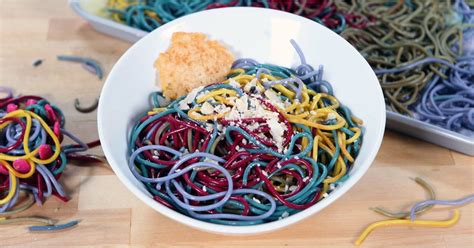
Let’s take a simple creamy mushroom pasta. While delicious, it can often appear monochromatic. To adapt it for visuals:
- Seasonal Swap: Instead of just white button mushrooms, add vibrant maitake or oyster mushrooms for varied texture and shape.
- Color Boost: Stir in fresh spinach or blanched asparagus tips at the end. Garnish with finely chopped fresh parsley and a sprinkle of sundried tomatoes for a pop of red.
- Texture & Shape: Top with toasted panko breadcrumbs or pine nuts for crunch. Shave a few pieces of Parmesan for elegant curls rather than grated.
- Plating: Use a shallow bowl, coiling the pasta neatly in the center. Drizzle with a bright green basil oil around the edge.
These simple changes transform a humble dish into a visually appetizing masterpiece, highlighting the freshness of seasonal produce.
Tips for Sourcing and Inspiration
Visit your local farmers’ market to see what’s truly in season and get inspired by the bounty. Look for ingredients that naturally complement each other in terms of color and texture. Follow food stylists and chefs on social media for plating ideas, but always remember to prioritize the taste and integrity of the dish. Experimentation is key; don’t be afraid to try new combinations.

Common Mistakes to Avoid
While aiming for visuals, avoid over-garnishing, which can make a plate look cluttered. Don’t use non-edible garnishes. Ensure your garnishes enhance the flavor profile, not detract from it. Most importantly, never sacrifice taste for looks; the visual appeal should always complement the culinary experience.
Conclusion
Adapting recipes for stunning visuals is an exciting journey that combines culinary skill with an artistic eye. By consciously embracing seasonal ingredients for their vibrant colors, unique textures, and fresh flavors, you unlock an endless array of possibilities for creating dishes that are not only delicious but also incredibly beautiful. So, next time you’re in the kitchen, think beyond the taste buds and consider the feast for the eyes you’re about to create.