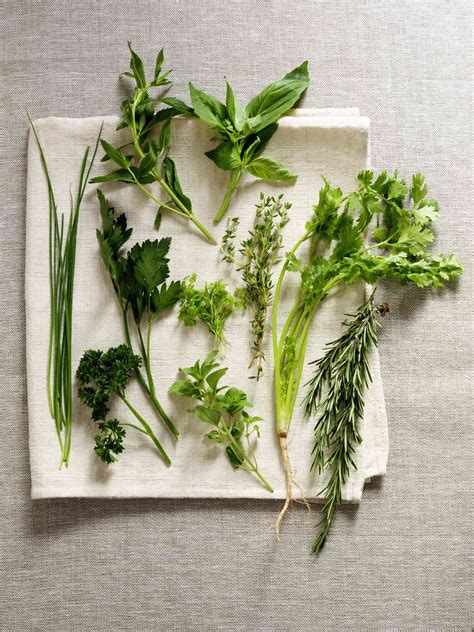





How to keep fresh herbs vibrant for beautiful, flavorful food styling?
The Secret to Stunning Dishes: Vibrant Fresh Herbs
Fresh herbs are more than just an aromatic ingredient; they are the vibrant jewels that elevate a dish from merely tasty to visually spectacular. For home cooks and culinary enthusiasts alike, maintaining the lively color and crisp texture of herbs is paramount, especially when presentation matters. Wilting, discolored herbs can detract from even the most perfectly cooked meal. This guide will walk you through the best practices for preserving the beauty and potency of your fresh herbs, ensuring they always contribute their best to your plate.
From the moment they enter your kitchen to their final flourish on a dish, proper care makes all the difference. Let’s delve into the techniques that keep your herbs fresh, flavorful, and photo-ready.

Starting Strong: Initial Handling and Preparation
The longevity of your herbs begins with how you treat them immediately after purchase. Always inspect herbs for freshness at the store – look for bright colors, firm leaves, and a strong, characteristic aroma. Avoid any bunches with yellowing leaves, bruising, or sliminess.
Once home, resist the urge to wash them immediately unless you plan to use them right away. Excess moisture can encourage mold and rot during storage. If they are visibly dirty, a gentle rinse and thorough drying with a salad spinner or paper towels are crucial before storing. Moisture is the enemy of fresh herb storage, so ensure they are as dry as possible.
Optimal Storage Techniques for Maximum Freshness
1. The Bouquet Method for Delicate Herbs
Soft-stemmed herbs like parsley, cilantro, basil (with a slight modification), mint, and dill thrive in a method similar to cut flowers. Trim the very ends of the stems, remove any leaves that would fall below the waterline, and place the bunch upright in a glass or jar with about an inch of fresh water. For most of these, loosely cover the leaves with a plastic bag (like a produce bag) and refrigerate. Basil, however, prefers to be kept at room temperature, away from direct sunlight, uncovered.
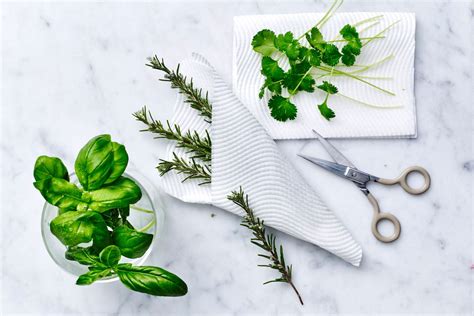
2. The Paper Towel Method for Sturdy Herbs
Heartier, woody-stemmed herbs such as rosemary, thyme, oregano, and chives benefit from a different approach. Slightly dampen a paper towel, lay your herbs flat on it, and gently roll them up. Place the rolled herbs inside a sealable plastic bag or an airtight container. This method creates a humid environment without excessive moisture directly on the leaves, which can prolong their freshness in the refrigerator.
3. Freezing for Long-Term Storage
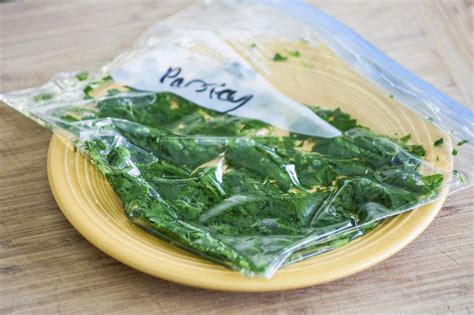
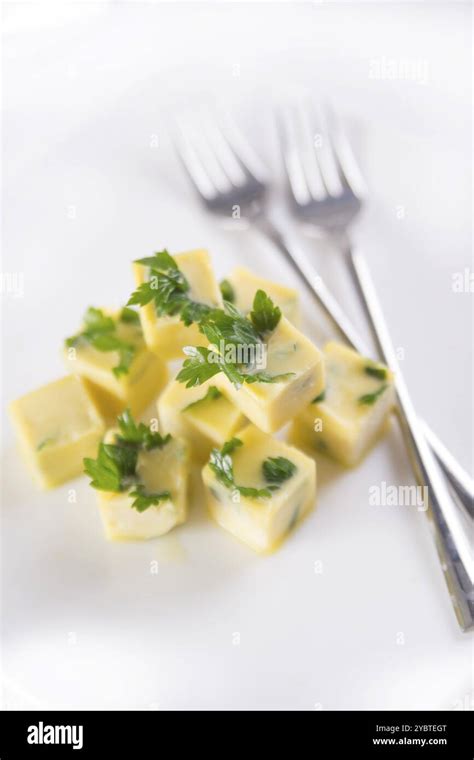
While fresh is always best for styling, freezing is an excellent option for preserving flavor for cooking, especially for herbs you use frequently. Chop your herbs finely, place them into ice cube trays, and top with olive oil or water. Once frozen, transfer the herb cubes to a freezer-safe bag or container. This method is fantastic for pestos, soups, and sauces, providing instant flavor bursts when needed.
Reviving Wilting Herbs for Styling Success
Even with the best storage, sometimes herbs can look a little droopy. Don’t despair! A quick revival technique can often bring them back to life. Submerge wilted herbs (particularly soft varieties) in a bowl of ice water for about 15-30 minutes. The cold water helps them rehydrate and crisp up, restoring their vibrant appearance just in time for their starring role on your plate.
Keeping Herbs Pristine During Food Styling
Once your dish is ready for its close-up, a few final touches will ensure your herbs shine:
- Last-Minute Application: Always add fresh herbs at the very end of your plating process. Heat and time can quickly diminish their color and perkiness.
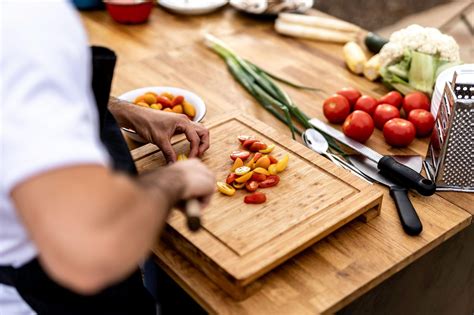
- Sharp Knife: Use a very sharp knife to chop or slice herbs to avoid bruising, which leads to discoloration.
- Misting: For longer photo shoots or serving times, a very fine mist of water can help keep herbs looking dewy and fresh.
- Strategic Placement: Arrange herbs thoughtfully to complement the dish’s colors and textures, creating visual interest without overwhelming the main components.
By mastering these simple yet effective techniques, you’ll ensure your fresh herbs always remain a vibrant, flavorful, and beautiful component of your culinary masterpieces, ready to impress both the palate and the eye.