



Plating hacks: Make any dish look like a culinary masterpiece?
Why Presentation Matters: The First Bite Is With The Eye
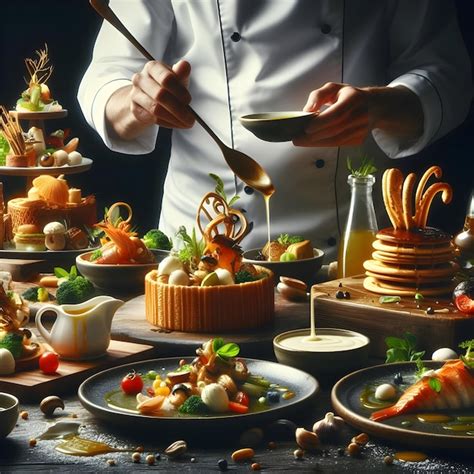
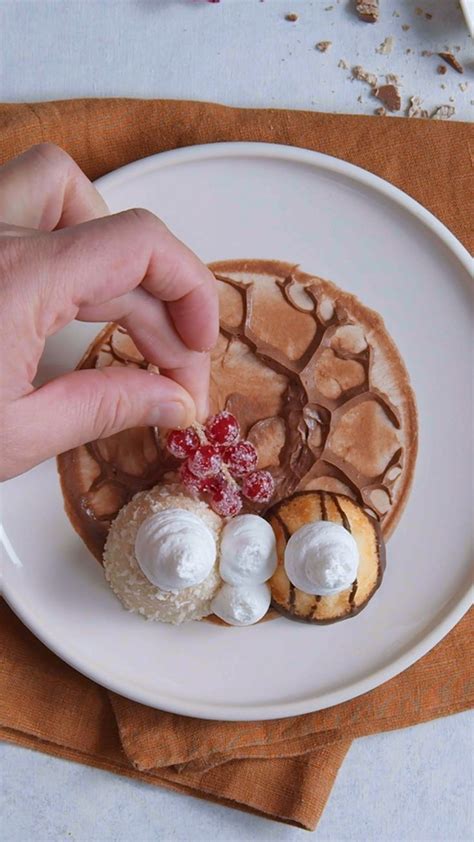
Long before a single morsel touches your tongue, your eyes have already formed an impression of the meal. Plating, the art of arranging food on the plate, plays a crucial role in this initial experience. It can elevate a simple weeknight dinner into a restaurant-quality dish, enhance perceived flavors, and even make healthy options more appealing. Think of your plate as a canvas and your food as the paint – with a few clever techniques, you can create a feast for both the eyes and the palate.
The Golden Rules of Plating for Home Cooks
You don’t need a culinary degree to plate like a pro. Adhering to a few fundamental principles can dramatically improve your food’s visual appeal:
- Balance and Harmony: Aim for a mix of colors, textures, and shapes on your plate. Avoid overcrowding; less is often more.
- Focal Point: Choose one element as the star of the dish and build around it. This is usually the protein.
- The Rule of Odds: Arrange items in odd numbers (e.g., 3 scallops, 5 asparagus spears) as they are generally more visually appealing than even numbers.
- Negative Space: Leave some empty space on the plate. This allows the food to breathe and prevents it from looking cluttered.
- Cleanliness: A clean plate edge is paramount. Wipe away any drips, smudges, or stray crumbs before serving.
Essential Tools (and Everyday Alternatives)
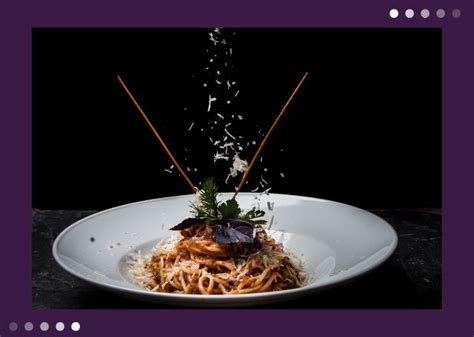
While professional chefs have an arsenal of plating tools, you can achieve fantastic results with what you already have:
- Squeeze Bottles: Perfect for precise drizzles of sauces, oils, or purees. (Alternative: A small spoon or a plastic bag with a tiny corner snipped off.)
- Plating Rings/Molds: Great for building height and creating perfect circular shapes for rice, quinoa, or tartares. (Alternative: A clean, empty tuna can with both ends removed, or even a cookie cutter.)
- Tongs & Spoons: Your most versatile friends for carefully placing individual components.
- Paper Towels/Clean Cloth: Indispensable for wiping plate edges clean.
Techniques to Transform Any Dish
1. The Art of the Sauce Swirl & Drizzle
Instead of just pouring sauce over everything, consider these methods:
- The Swirl: Spoon a dollop of sauce in the center, then use the back of the spoon to gently swirl it outwards in a circular motion.
- The Swipe: Place a spoonful of sauce near the edge, then drag the back of the spoon across the plate in an elegant arc.
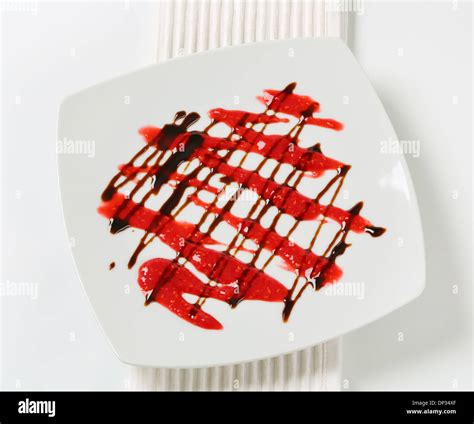
- The Drizzle: Use a squeeze bottle or spoon to create thin lines or dots around your main components.
2. Building Height and Dimension
Flat food can look uninspired. Introduce verticality to make your dish more dynamic:
- Stack components strategically: Place protein on a bed of vegetables, or stack layers of ingredients like a lasagna.
- Lean elements: Stand asparagus spears upright, or lean a crisp breadstick against a main component.
- Use a mold: For grains or mashed elements, use a ring to create a perfect cylinder, then gently lift.
3. Garnishes: The Finishing Touch
Garnishes add color, texture, and a touch of freshness. Choose garnishes that complement the flavors of your dish:
- Fresh Herbs: A sprig of parsley, cilantro, dill, or basil adds a pop of green and aroma.
- Citrus Zest/Wedges: Brightens flavors and adds a vibrant color.
- Edible Flowers: For a truly elegant touch (ensure they are indeed edible and unsprayed).
- Toasted Nuts/Seeds: Adds crunch and a subtle nutty flavor.
- Microgreens: Tiny, flavorful greens that instantly elevate a dish.
4. The Importance of Plate Choice
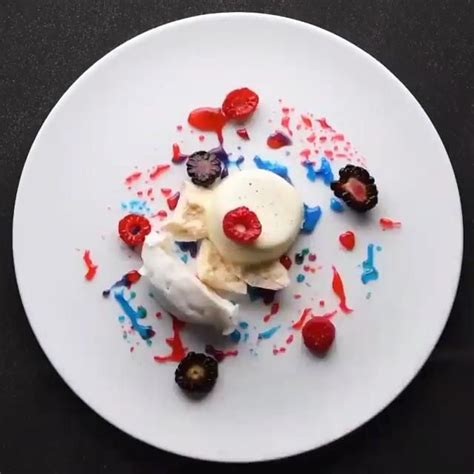
The plate itself is part of the presentation. White plates are often preferred as they make food colors pop. Consider the size – a large plate with a small portion creates elegant negative space, while a smaller plate can make a modest portion look more substantial.

Practice Makes Perfect
The best way to improve your plating skills is to experiment. Start by taking a moment before you serve to think about how you want to arrange the elements. Don’t be afraid to try different layouts, sauces, and garnishes. With a little practice, you’ll soon be turning every meal into a feast for the senses, proving that presentation is truly a powerful ingredient in its own right.